


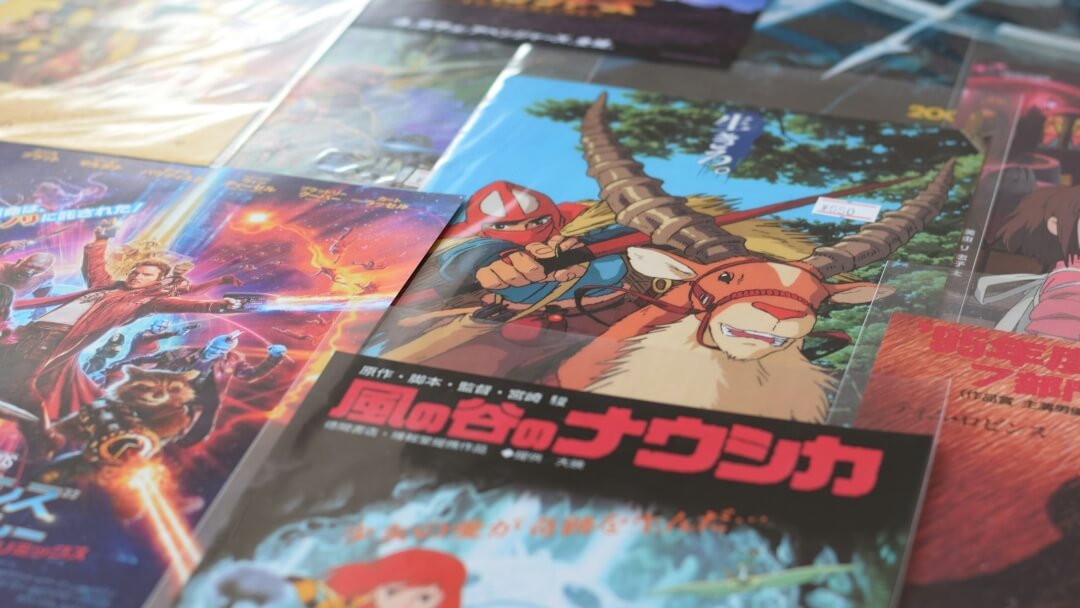

With live-action adaptations like “Lilo and Stitch 2” and “Tangled” in production, the conversation about whether these films are doing their animated counterparts justice continues. Everyone is entitled to their own opinion, but it’s hard to ignore that these realism-centered movies often lack some of the charm that animation is known for.
As a filmmaker, it’s critical to pinpoint and understand what these live-action movies can take away from gaming and animation. Making that connection can be key in making a more faithful reinterpretation in the future.
Live-Action vs. Animation
There’s been a long-standing debate about whether live-action movies are better than animation and vice versa. Truthfully, the correct answer is that each is captivating and excellent in its own right.
Live action strikes the perfect balance between realism and fantasy, showcasing what fictitious characters and events would look like in the real world. Meanwhile, animation excels in bringing its viewers to a whole new fantasy world where anything goes.
People do have their own preferences. That said, a 2025 report found that48.5% of adolescents preferanimated over live-action films. It’s evidenced by recent hits like “Kpop Demon Hunters” and “Demon Slayer: Kimetsu no Yaiba Infinity Castle.”
Live action is still getting attention, but it could be argued that this is due to the popularity of its original animated version. For example, “Snow White”<a href="https://modded.com/culture/disney-live-action-remakes/” rel=”nofollow noopener” target=”_blank”>made around $200 millionworldwide. While impressive on its own, the earnings did not exceed the production budget.
Insights to Ensure Stellar Adaptations
Many film enthusiasts and experienced movie makers likely already see what live-action productions need to reach the caliber of animation. Here are several insights to help budding beginners.
1. Embrace the Differences in Mediums
Instead of arguing about the differences between live-action and animation, it’s better to embrace both forms of media. Both are able to convey a story, evoke emotions and celebrate human work together.
Some productions can even combine live action and animation in the same movie. For example, classics like “Space Jam” and “Mary Poppins” had both elements. Disney’s “Enchanted” is another hybrid that also captured many people’s hearts.
The acceptance that both live-action and animation can thrive could also lead to some brilliant marketing initiatives. For example, “Karate Kid: Legends”is collaborating with Tekken 8to bring exclusive in-game content, including avatar wearables and movie billboards on the map. This comes after fans pointed out a Tekken poster in the live-action movie trailer.
2. Be Intentional With What’s in Your Frames
Storyboarding becomes much more deliberate in animated films or shows, especially in traditional styles where frames are drawn one by one. So much attention is paid to every single detail, including leaving Easter eggs and clues for the viewer.
Set design and props have been crucial to making live-action movies more engrossing. That said, the stages between production and postproduction can often remove some of these details. Practice intentionality with what you’re showing the viewer.
3. Teamwork Between Sound and Visuals
Both live-action and animation emphasize the importance of sound in a film. However, in animated projects, sound effectsintegrate richness and texturethat truly support the visuals. Live-action can often incorporate too many sound and visual elements that overstimulate the viewer.
There’s also the argument for soundtracks. For example, “Merry Go Round of Life” in Hayao Miyazaki’s “Howl’s Moving Castle” showcases so much whimsy, which coincides with the scenes between Sophie and Howl. Should there ever be a real live-action adaptation of it, the visuals should showcase the same vibrance.
4. Explore a Variety of Different Techniques
With live-action movies, it’s very easy to stick to a single style throughout the entire project. However, it’s important to experiment and try out a variety. Think of “Spider-Man: Across the Spider-Verse” and how itfeatures a variety of animation stylesthroughout the whole film for different versions of Spider-Man.
Consider the live-action series of “WandaVision” and how it incorporated a variety of fashion, lighting and effects. Some episodes were shot with vintage lenses, while others had that modern sitcom vibe.
5. Show, Don’t Tell When Storytelling
Animated films rely heavily on visuals, which ties into the principle of “show, don’t tell” across different media. It’s even used in the uneasy endings of animation-heavy games like The Last of Us or Marvel’s Spider-Man Remastered.
Some live-action works have often felt like they’re just handing the explanation of their events to the audience through the script. However, it’s infinitely more effective to provide context clues and allow the viewers to connect the dots instead.
6. Never Underestimate the Art of Facial Expressions
Animated characters are known for having exaggerated expressions. At times, it can be used to convey humor. However, there are also times when it can showcase despair. These facial expressions are critical to setting the mood in films.
Unfortunately, some live-action remakes fall flat because the acting can seem lackluster. Cosmetic surgery trends in Hollywood may affecthow expressive actors’ performances appearon-screen. To ensure a better output, filmmakers everywhere should be more attuned to what’s captured during production.
7. Never Forget the Main Thesis
Live-action movie-makers need to understand that animation is cohesive in its delivery of a message. If you’re making an adaptation, people will expect it to be as faithful to the original as possible. Unfortunately, mistranslation or different visions can change the final outcome.
For example, the live-action “Lilo and Stitch” has received mixed reviews. Some think it simplytook a more realistic approach, while others say it dishonors the original animated film and its message about no one leaving family behind. Regardless of thed throughout every phase of film production
Fill the Gaps With Lessons From Animation’s Success
Live-action movies will likely continue to be released, especially with the popularity of their animated counterparts bringing in viewership. However, if you’ve ever wanted to make an adaptation of your own, it’s critical to understand what elements you should never sacrifice on-screen.
Oscar Collins is the editor-in-chief atModded. He’s passionate about films, filming techniques and the finer details of filmmaking. Follow him on Twitter@TModdedfor frequent updates on his work!
