


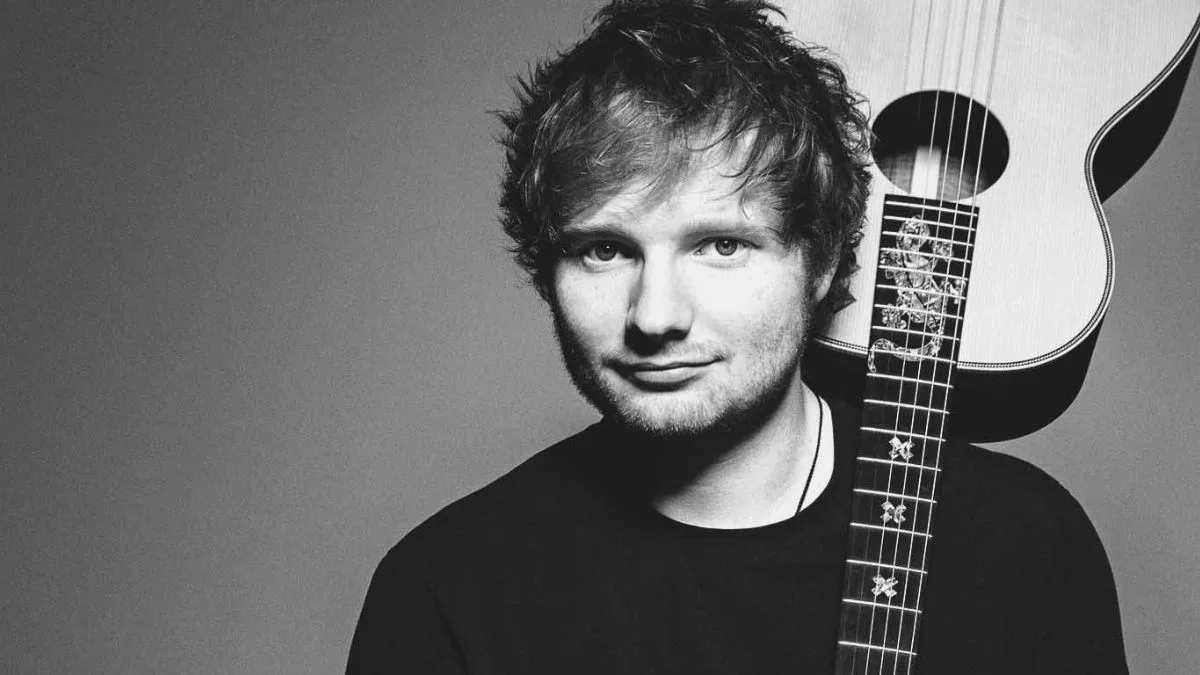
Ed Sheeran has spent fifteen years being the safest man in pop. He does not feud. And, he does not posture. He writes songs about love and heartbreak and lets the numbers speak for him. Over 150 million records sold will do that for a career. But safe images are fragile things, and right now his is cracking in public. The real story here is not just about Sheeran. It is about what happened when an artist spoke up for Palestinians and the machinery of the industry moved fast to punish him for it.
Macklemore said something true and paid for it
At MetLife Stadium on September 4 and 5, Macklemore told the crowd he wanted people in Gaza and the occupied West Bank to know they had not been forgotten. He clarified the next night that criticizing Israel’s government and its actions is not the same as criticising Jewish people. That distinction matters. It is a distinction a lot of thoughtful people make every day. It should not have been controversial to say out loud at a concert.
What happened next tells you how much power is arrayed against artists who speak up for Palestinians, even mildly. Robert Kraft, a billionaire NFL owner, threatened to ban Macklemore from performing at his own stadium. The tour’s promoter caved almost immediately, pulling Macklemore from every remaining U.S. date rather than push back. One artist said something compassionate about civilians suffering in a war, and the response was to remove him from his job. That imbalance deserves more attention than it has gotten.
Sheeran’s silence spoke volumes
For over a week, Sheeran said nothing. When he finally did, he framed the whole thing as out of his hands, insisting the call came from venues and promoters, not him. He said he is troubled by the conflict but prefers to stay out of the politics of what he called a human tragedy playing out overseas.
That kind of studied neutrality is its own kind of statement. Staying quiet while your friend gets pushed off your tour for talking about children starving in Gaza is a choice, even if it is dressed up as staying above the fray. Sheeran had the platform and the leverage to push back harder than he did. Instead, fans got a carefully worded message designed to protect his own brand while a collaborator absorbed the consequences alone.
The walkouts say what Sheeran wouldn’t
The artists who actually left the tour deserve real credit here. Finneas withdrew from the South American leg and said plainly that artists must not be silenced for speaking up for the oppressed. Lukas Graham and Aaron Rowe followed. Four acts in total chose to give up money and stage time rather than stay associated with a tour that had just punished someone for supporting Palestinians.
Congresswoman Pramila Jayapal, who represents Macklemore, said something worth repeating. She pointed out how strange it is that powerful people got more upset about an artist’s words than they are about the displacement, starvation, and killing of Palestinian civilians. That comment cuts to the heart of this entire controversy. The outrage machine moved faster and louder over a phrase than it ever has over the humanitarian toll in Gaza.
This is different from his past controversies
Sheeran has had public disputes before, but nothing like this. In 2023, he won a copyright lawsuit over claims that Thinking Out Loud copied Marvin Gaye’s Let’s Get It On. He also settled a separate case tied to his song Photograph. Those were legal fights over songwriting credit and royalties. Nobody’s conscience was on the line.
This is a different category entirely. This is about whether an artist will use his platform to defend someone standing up for Palestinian lives, or whether he will let business interests and pressure from people like Kraft decide the outcome instead. That is a much harder thing to walk away from clean.
The numbers are still there, but that’s not the point
Sheeran’s commercial record remains massive by any measure. His album Divide is the top selling album of the UK’s streaming chart era, with more than 4.2 million chart units. Shape of You has racked up close to 500 million UK streams, more than any other song in the chart’s history. He has sold over 150 million records worldwide.
None of that has been dented. Ticket sales have not dropped. Streams have not slipped. But measuring this controversy by sales numbers misses what is actually at stake. This was never going to be a financial crisis for Sheeran. It was a test of whether he would use his position to support a colleague speaking out for Palestinian people, and by most accounts, he came up short.
So is this his lowest moment?
In terms of money, no. In terms of moral clarity, this might be the moment that defines how people remember him going forward. Sheeran built an entire career on being liked by everyone, and that likability depended on never being tested. This controversy tested him, and his response was to hedge.
The artists who walked away showed there was another path available. Speak plainly. Stand by your collaborator. Accept whatever fallout comes with it. Sheeran chose caution instead, and the contrast between his response and theirs is not going to be forgotten quickly by fans who were paying attention.
It is worth acknowledging that not everyone saw Macklemore’s comments the same way. Some in the crowd and online felt the remarks were out of place at a concert. Promoters and venues framed their decision as a business necessity to avoid cancelled shows, not as a political statement. Sheeran’s own defenders argue he was trying to protect hundreds of thousands of ticket holders and touring crew members who rely on the tour for income.
- Ed Sheeran
- Macklemore
- Palestine
