


With nearly 1,000 people attempting to climb Mount Everest every year, there’s no shortage of interest in the world’s most famous peak. That means a good deal of the firsts already achieved. First ascent (1953), first woman to ascend (1975), first ascent without supplemental oxygen (1978), first winter ascent (1980), first paraglider descent (1988), first full descent on skis (2000), and so on and so on. What the hell’s left? Mountaineer and skier, Jim Morrison had a response. What about the first person to ski down the Hornbein Couloir on Everest’s north face?
Once Morrison and his partner, fellow mountaineer Hilaree Nelson, got the idea in their heads, there was no letting go. And who better to capture the journey than documentarians Jimmy Chin and Chai Vasarhelyi? Chin, Morrison, and Nelson were not only peers in the sporting world, but also dear friends. Additionally, the also married Chin and Vasarhelyi had already earned accolades for their previous docs. Free Solo, which tracked Alex Honnold’s free climb of Half Dome in Yosemite, in particular, scored an Oscar.
Everest: The Other Side was meant to be a similarly exciting and uplifting journey. In the middle of filming, however, while prepping for Everest with a ski run down Manaslu in Nepal, a freak avalanche hit. It swept Hilaree away and changed the doc’s entire trajectory.
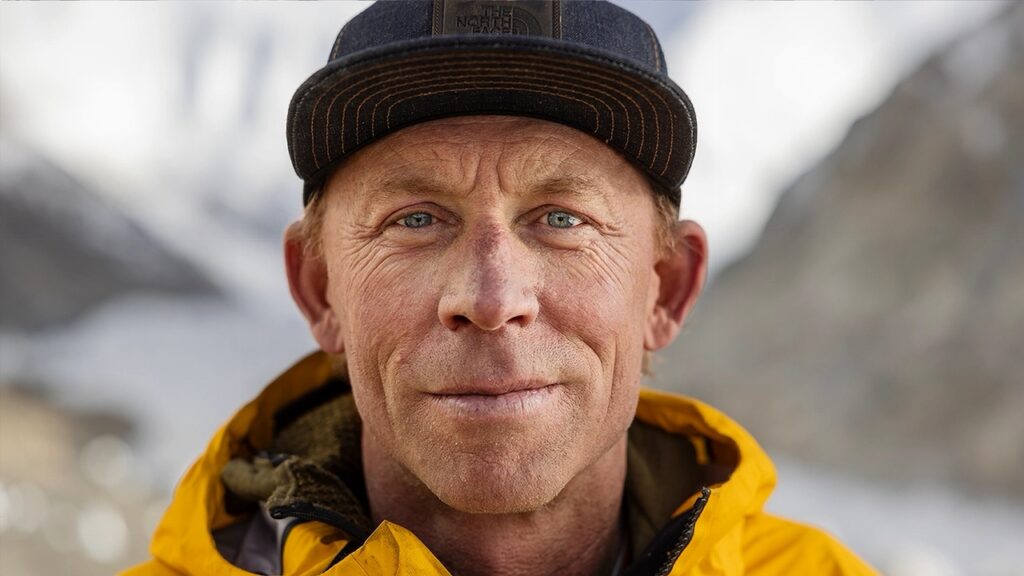
From the jump, Chin and Vasarhelyi approach Morrison’s grief with empathy and tenderness, while also sharing their own. Chin steps in as Morrison’s climbing partner for the ascent when Morrison decides he must go forward. In what feels like a more unusual move for a Nat Geo doc, Everest: The Other Side really lets the audience sit with the tension of that decision, for both Morrison and Chin’s friends and family.
In one of the film’s most intimate moments, Vasarhelyi asks Chin, “Jimmy, tell me… how many people have eaten at our dinner table who have died?” Struck by the question, Chin realizes he needs to think to answer—which is clearly Vasarhelyi’s point. The Other Side doesn’t hide the supportive, loving people in these climbers’ lives who really wish they weren’t doing this.
These striking moments of honesty, however, also highlight where the film falls short. They’re the kind of moments that make you think how, if it were an independent doc instead of a National Geographic project, its focus would shift to explore this in far more depth. There’s a world where Morrison’s incredible athleticism takes a backseat to not just sitting with the grief and loss, but delving into the psychology of what makes someone want to do things like this.
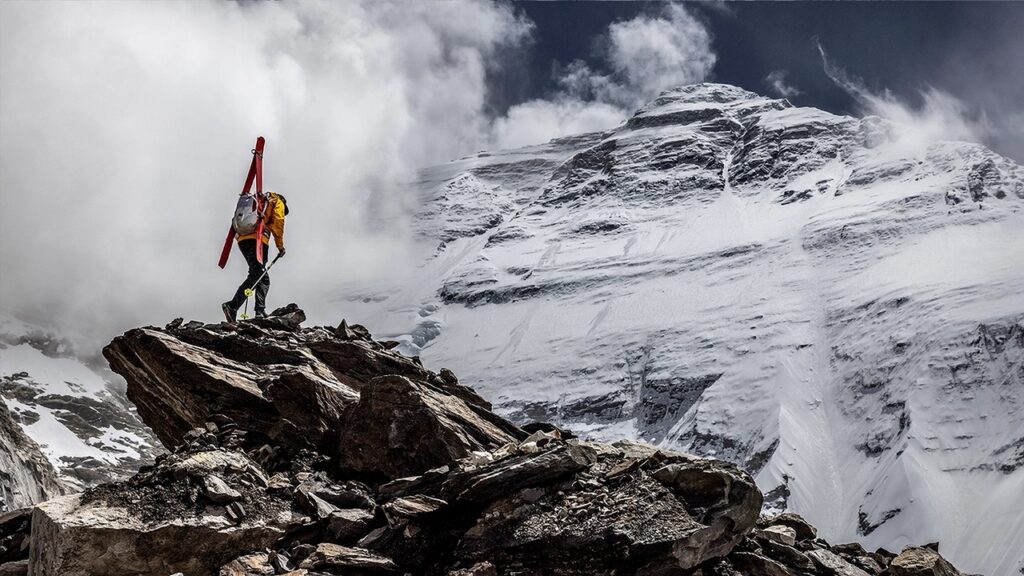
Instead, the film hovers a little closer to the surface, seemingly so it’s easier to pivot back to a more traditional athletic adventure success story. In a dream universe, the film abandons its original goals, becoming some kind of modern-day Sherman’s March that uses the Himalayas and adrenaline as a backdrop to focus fully on the emotions guiding Morrison and Chin’s decisions.
But that’s not the movie they made, and I hate to judge a film by what I wish it were instead of what it is. The footage captured from the entire experience is genuinely astounding. The combination of multiple drones and cinematographers comes together in a cinematic ballet at jet-plane cruising altitude. It creates an experience that simply demands an IMAX viewing. Anything less is doing the film a disservice.
When it highlights the majesty of the mountains, it’s stunning. When it centers the emotional weight of the experience, it’s transcendent. Ultimately, that creates a movie bound to leave you hungry for more of the latter.
Everest: The Other Side reaches base camp in theatres on October 30.
