




EDITION→
Global
•
USA
•
UK
•
AUNZ
•
CANADA
•
IRELAND
•
FRANCE
•
GERMANY
•
ASIA
•
EUROPE
•
LATAM
•
MEA
Edition : InternationalLanguage : English
HOME
NEWS
CREATIVE LIBRARY
IMMORTAL AWARDS
MEMBER COMPANIES
PEOPLE
JOBS
How LBB WorksPlans & PricingEditorial Toolkit

news
NEWS
CREATIVE LIBRARY
IMMORTAL AWARDS
MEMBER COMPANIES
PEOPLE
JOBS
Login or Register
People in association withThe Monthly Cut

The Difference Between a Good Grade and a Great Grade

lbbonline.com
0
LIKE
ADD TO COLLECTION
20/07/2026
Share
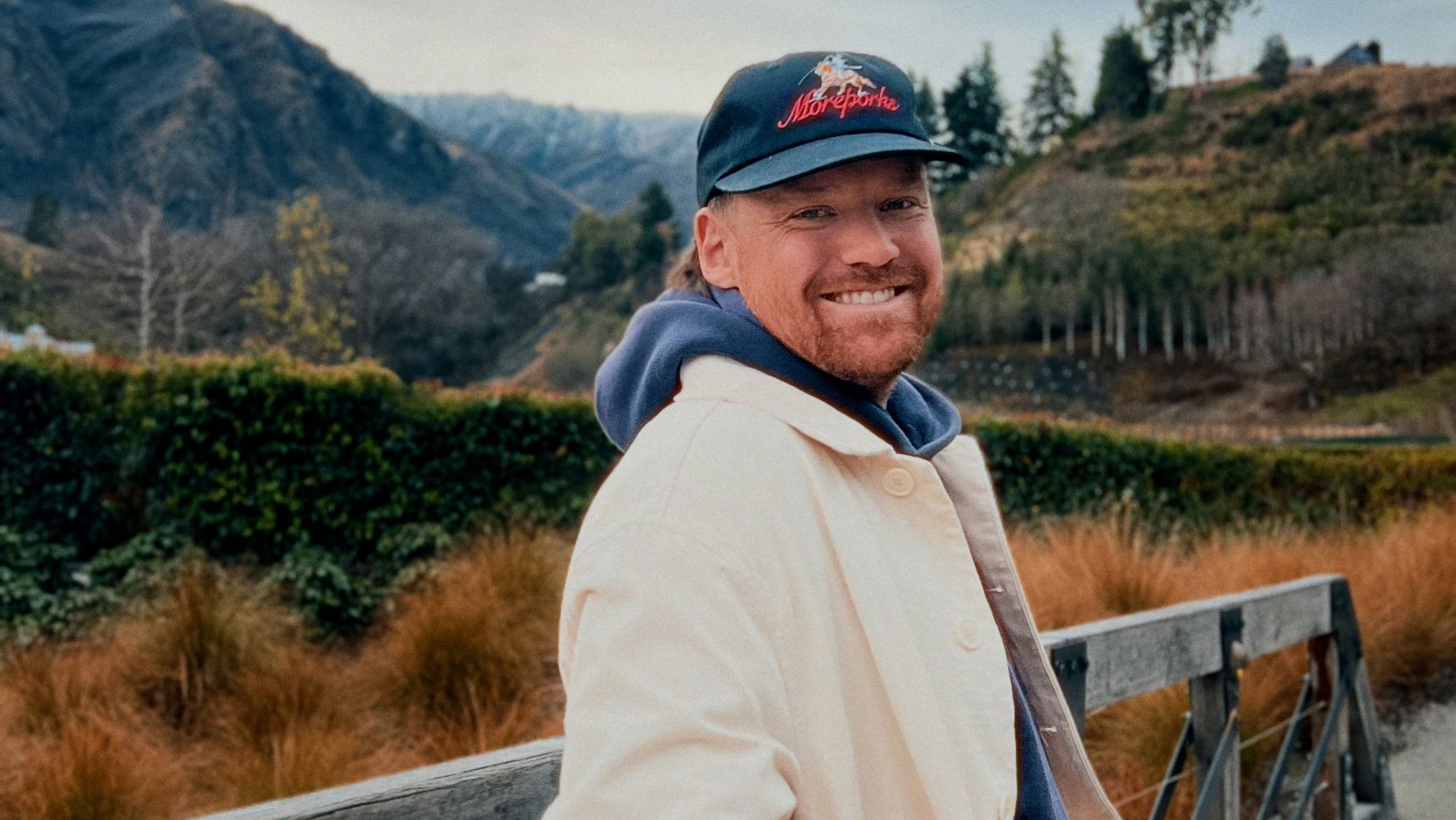
As part of LBB’s Making the Grade series, Reel Factory colourist Marc McCarthy says a good grade will “look correct… balanced,” while a great grade adds “feeling and identity” to a project
Reel Factory’s Marc McCarthy is a colourist and filmmaker specialising in the visual identity and cinematic finish of commercial campaigns, branded content and film.
Over 13 years at Reel Factory, Marc has collaborated on a diverse range of high-profile productions, bringing stories to life through considered colour grading, visual craft and technical precision. His portfolio includes work for Air New Zealand, Tourism New Zealand, Ford, Burger King, Kia, and Pizza Hut.
With a deep understanding of colour, light and visual storytelling, Marc approaches every project with a meticulous eye for detail and a commitment to enhancing the emotional impact of each frame. Whether working on commercials, branded content or film, Marc plays a key role in shaping the final look of a project, ensuring every image feels cinematic, cohesive and visually compelling.
LBB> What was your first experience with the world of colour grading — and when did you decide that being a colourist was a role that you wanted to pursue?
Marc> I remember getting my hands on a copy of the now long-discontinued Apple Colour software that came with Final Cut Studio back then. I installed it on my trusty iMac in the corner of my teenage bedroom and spent hours poking around the menus trying to make sense of it all. Much later on at the New Zealand Broadcasting School, my first love was actually shooting.
I really wanted to understand how I could get the best out of the footage I was capturing, which led me to spending hours in the suites there in Resolve trying to make my footage look like whatever music video I was obsessed with at the time. That’s when it hooked me. Something about the instant gratification of completely changing the look of a shot, and the creative possibilities it opened up, really scratched an itch.
LBB> What was the project that you felt really changed your career?
Marc> I was lucky enough to jump on for seasons 2 and 3 of Kura, directed by Vince McMillan, shot by Tim Flower. It was my first venture into long-form colour work for a TV series. Up until then, working primarily on TVC work, I was used to the very fine-tuning detail work that comes with it. Kura forced me to work more efficiently and consistently across hundreds of shots per episode. I learnt quickly that I needed to think differently.
Tim and Vince wanted to create a look that embraced reality and found beauty in the imperfect. Let shadows be shadows. Let the look feel uncomfortable for the sake of story. A lot of that ran counter to my usual approach to TVC work at the time. It really unlocked a different way of working for me, making me a much better colourist across all types of work. You can still find beauty by embracing reality.
LBB> How/where did you hone your craft and did you have any particular mentors?
Marc> I started off as a do-it-all intern at Reel Factory working across camera and all the way into post. Often travelling on the road with the team, shooting during the day then editing through the night to deliver the next day. I loved it, but I really loved post more. So as Reel Factory grew, so did my role in post-production.
For a while, I would do offline and grade, until we brought on more offline editors so I could focus on just colour and online. This path really allowed me to understand the full pipeline of production, which I think is so helpful in the work I do now. Because my role grew as Reel Factory grew, I never really had a direct post-production mentor above me, but Reel Factory owner Dan Watkins backed me from day one.
He trusted me with jobs and clients very early on and gave me the runway to focus on colour as my role grew, but I was largely self-taught when it came to colour. It was a lot of hours soaking up information online (shoutout mixinglight.com) and a lot of work by doing. I was thrown in the deep end very early on, and I maintain that’s the quickest way to learn.
LBB> Tell us more about your creative process. When you get a project, how do you develop a look?
Marc> Honestly, it varies. Sometimes I’ll be digging through references either sent to me oring how the footage reacts to different looks, making mental notes as I go of things that stand out. I try to keep this part of the process a bit fluid. It can be the most creative and fun step of the job
A big benefit of me being in-house at Reel Factory is that I’m often involved in the project much earlier than other colourists would be. Often, before a shoot, our DOP, Chris Watkins, and I will work together to create a custom LUT for the shoot. This has been a really important step in the process here to make sure what they are shooting on the day already feels in line with the look they want to create.
Our BNZ Payap TVC is a great example of that. It had the distinct look and feel director Ryan Heron wanted, and the LUT we built worked perfectly on the day. The look already felt complete to everyone viewing on set. Once it got to me in grade, it was about building on all the good stuff the LUT was already doing — some extra shaping, some lovely film grain and fine-tuning to really tie the look together.
LBB> From experience, we’ve found that colourists often love art and photography — when you’re out of the studio, what inspires you?
Marc> My saved posts on Instagram are a bit of a chaotic mix of things I use as reference: films, photography, design, all sorts. Away from screens it’s a bit calmer. I often find myself taking mental notes of things I see out and about in Mother Nature.
There have been many 6 am dog walks while I geek out at the mix of hues blending together as the sun rises, or times overseas where I’ve noticed light and colour just feel different. That always sticks with me. But maybe I’m just happy to be out of the suite…
LBB> Colour grading is largely a digital affair, but there’s also been a resurgence of film over the past few years in commercials and music videos. What are your thoughts about working on film versus digital formats like 4K? And what are your favourite techniques for capturing a vintage or tactile feel?
Marc> I love the look of film, but sadly I’ve not worked with much of it in my TVC work. Film has such a great look and texture. Often I’m looking to pull in elements of film into my work, introducing grains, bloom, halation, density and all that tasty stuff film has. Music videos are always fun when they call for a film look. You can lean into that world in a really creative way. With TVCs, it’s much more about the subtleties of that stuff.
Chances are, a client doesn’t want some grunty 16mm film grain on their hero product shot. I’m always a big fan of the mixed media style that is becoming popular, cutting between digital and a film look. We did a little bit of that in the opening sequence of the doco I worked on with director Nick Dwyer for Yussef Dayes in Japan. Gives it a really nice, tactile feel.
LBB> When working in commercials, what role can colour and a grade play in enhancing a brand’s assets and what sort of conversations do you have with creatives and clients about that?
Marc> It’s super important for me that the brand is presented well in my work. I’ll always work with a reference to the brand colours and try to introduce them into the palette where it suits.
Often this can just be little nods to them throughout, aligning all the reds in shot to be the brand red, etc. Subtlety is always key with this stuff in most cases. I always look to create good colour contrast too. Sometimes the best way to make a brand red pop isn’t actually to add more red to the shot. It’s adding some cooler tones in there so the red in the frame stands out more.
Another benefit of me being in-house at Reel Factory is I’ve had the chance of working with some of our awesome clients for a long time. I’m very familiar with the specific hues Air New Zealand likes for their onboard lighting, the shade of green Tourism New Zealand likes for their greenery, or even the right level of flame-grilled char on Burger King’s Whopper. It’s allowed us to create consistent looks across multiple campaigns and build strong trust with these clients over the years.
LBB> How do you ensure that each colourist-director partnership is a success?
Marc> Each director is different. Some come to me with a set look in mind, others come with a blank slate for me to explore. In all cases, I’m chatting with them to find ways we can improve the look and getting a feel for what they like and don’t like. Often, the first time working with a director, I’ll start by spending time familiarising myself with their previous work to see if they have a particular look or style they lean towards.
Then there is a bit of a discovery phase as we start working to find what lands for them. Some directors love film grain, others hate it. Things like that. Then, the next time I work with that director, I will already understand what kinds of things they will be looking for before they even walk into the room. Building that shared understanding between the director and me just improves the relationship the more we work together.
LBB> What advice would you give to budding colourists?
Marc> Grade everything you can get your hands on. Sometimes you learn more grading a no-budget short film shot on three different camera brands than you would on a heavily storyboarded TVC. Variety is gold early on. So much of colour is knowing all the tools at your disposal and when to implement them. Do a grade using one set of tools, then start again using a whole different set of tools and try to get the same look.
LBB> In your opinion, what’s the difference between a good grade and a great grade?
Marc> It’s a tricky one to answer without sounding too pretentious. A good grade will look correct. It will look balanced and serve its purpose. A great grade will add feeling and identity to the project and create images that bake into your head.
LBB> How is the craft and trade of colour grading changing?
Marc> It’s becoming super accessible. The free version of Resolve has given the next generation access to incredible tools to get stuck into with no barrier to entry. I’ve seen some incredible looking stuff coming from teenagers working on their bedroom computers.
It can only lift the craft as a whole, pushing more creative looks as more and more people understand and dive into what’s possible in grade.

People in association withThe Monthly Cut
More News from Reel Factory

Drew Lightfoot’s Love Of Animation Turned Into An “Obsession With Time Itself”15/07/2026

Chris Watkins’ Philosophy: “Heighten What Already Exists”20/05/2026

KFC New Zealand Launches ‘Gonna Wanna’ Brand Platform, With Bastion30/04/2026
ALL THEIR NEWS
Work from Reel Factory

Reel Good Yarns – Drew LightfootReel Factory
15/07/2026

Gonna Wanna 2KFC
30/04/2026
ALL THEIR WORK
SUBSCRIBE TO LBB’S newsletterEnter your email
FOLLOW US
Events
DPA + SLA (+ US Add.)
About Us
Contact
Editorial Toolkit
Help & FAQ
Privacy Policy
Main Terms & Conditions
Newsletters
Create your own LBB icons
How it works
Plans & Pricing
LBB’s Global Sponsor

