


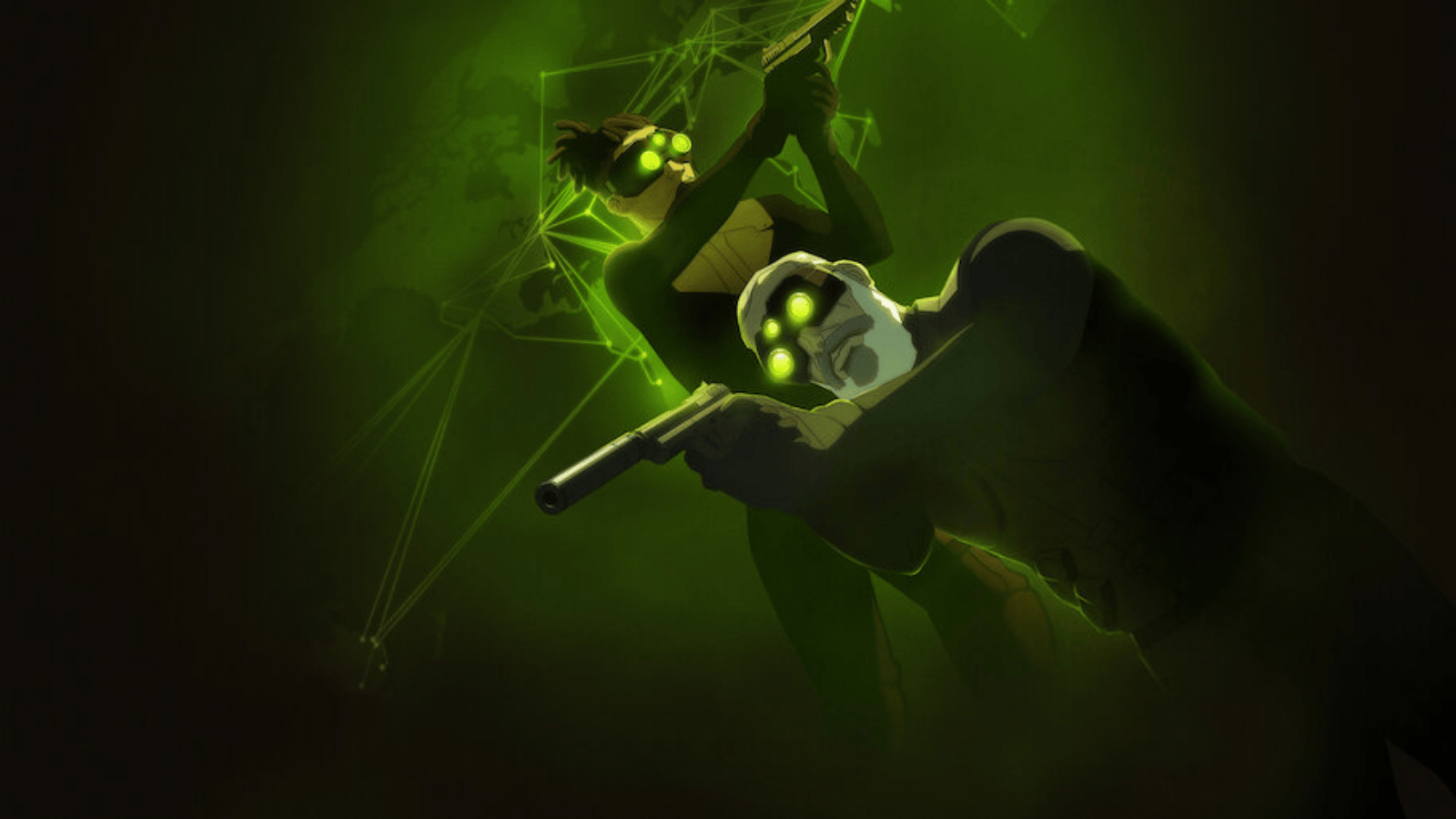
On the latest episode of the Write On podcast, we had the chance to speak with Derek Kolstad, the screenwriter behind the wildly successful John Wick franchise, Nobody, and Tom Clancy’s Splinter Cell: Death Watch.
With his extensive experience in the action-packed worlds of assassins and agents, we knew we would learn a lot from him. And he did indeed share invaluable wisdom about action screenwriting and breaking into Hollywood. According to him, dogged persistence will pay off, and all action should be focused on character more than anything.
Let’s swan-dive into his five biggest insights for screenwriters.

1. Character Means More Than Action
Kolstad said that emotional investment matters most of all, including in action. After selling John Wick, he spent months reworking the script with Keanu Reeves, who eventually agreed to star. It was an educational experience.
“One of the things [I learned] in talking with Jet Li over the years, too, is that the action is an extension of the hero’s journey,” he said. “It changes alongside the character. But to be honest, the thing that [Reeves and I] both embraced was if you don’t give a shit about the character, it doesn’t matter how great your action is going to be.”
He used Die Hard as another example.
“You love it as a kid, but when you watch it later in life, you realize the reason it works is because it’s about a guy who still loves his ex-wife. Everything else is window dressing, but it’s great window dressing.”
Later, when discussing his work on Splinter Cell: Deathwatch, Kolstad repeated the same storytelling principle.
“Good story is a good story. And a good character is good character.”

2. You’ll Write 15-18 Scripts Before Finding Your Voice
Kolstad’s path to success required dedication, which he detailed at the start of the conversation with stories of crashing with friends and printing scripts off at Kinko’s. It was hard.
“It took me 15, 16, 17, 18 scripts to get to John Wick or to get to Acolyte, which was the first time where I felt to myself, ‘Oh, shit, I found my voice.'”
He can’t really say how he did it. There’s an intuition involved. “You’ll know it when you find it.”
3. Collaboration Can Elevate a Script
Working with Reeves taught Kolstad the power of refinement. Their partnership involved spending “every weekend for three months rewriting the script, until he looked at me and said, ‘I’m going to do it.'”
He described their process. “We would go through scenes going, ‘Can people say less? Can the action be tighter? Can the action sequence be shorter?'”
Scripts that started at 150 pages with tons of extra elements got pared down through multiple drafts, making every scene stronger. Kolstad’s philosophy is that “anything in life, if you can make it a little bit better, it doesn’t matter how much work you need to do, it makes it better.”
Through this rewriting marathon, Kolstad learned lessons about refining and revision. “The thing that I really learned through that process is, as you do draft after draft, it becomes shorter and rendered down.”
He took this love of collaboration into Splinter Cell: Deathwatch, too, where he welcomed diverse voices in the writers’ room.
“It’s always by design,” he said, “because I can create something, I can put words in their mouth, but it isn’t until I sit down with the actress or the other writers that they begin to sound the way they’re supposed to sound. So collaboration is key.”

4. How to Come Up with Fresh Action Sequences
When discussing writing action sequences practically, he said, “Usually I write out, let’s say, if you have a gunfight, I write out the first four kills. And then you use the broad language of, ‘Each give as good as they get. Death by a thousand cuts,’ all that kind of stuff to give the mood. And then bookend it with like, ‘And here’s the Boss Kill.'”
His advice for aspiring action writers is straightforward.
“Watch what you love and write it. That’s how I learned to write it. I didn’t read many scripts. I read thousands of books and then just started writing.”
For crafting memorable action, Kolstad recommends studying the masters.
“Go back to the silent era. Chad (Stahelski) and I would always talk about Buster Keaton and Harold Lloyd and Fatty Arbuckle and the Keystone Cops. And you look at how those sequences were done.”
He also recommended checking out Asian cinema. And not taking it all so seriously.
“What I love about the things that I’ve been a part of is there’s always this sense of humor at play,” he said. “Nothing’s so dark and so bleak that you’re not enjoying it. There’s always that moment of humor, maybe not overtly comedic, but there’s humor, and I think that’s important.”
He emphasizes that what’s on the page is just the beginning.
“When it comes down to coming up with a new action sequence, in the screenplay, it’s for the reader. And by the time second unit and stunt guys get it, it’s a suggestion. And then it’s true collaboration when you walk on set and you see what’s going on.”
He views each action scene as “a love letter to all the action scenes I loved as a kid. So it isn’t a matter of being new, it’s a matter of… pay tribute to what we came from in your voice.”

5. Love the Act of Writing and Keep Going
Being a writer can be a grind. You work hard, do a lot of brainstorming and rewriting, and sometimes have nothing to show for it in the end. It’s very hard to get a project made, which Kolstad acknowledged.
“I think everyone’s career in anything, but especially here, is skill, luck, and timing,” he said. “And I’d like to think I have earned a bit of skill, but it was the luck and timing with John Wick.”
During his struggling years, Kolstad’s routine was pretty simple.
“When my friends would go out on a Friday night, I would stay in, have my glass of wine that becomes the bottle—because we’re all writers here—and I would write. And then when I got it done, I would print it off for friends, and then I would get their notes, and I would send it out. And then as soon as it was sent out, I would write ‘fade in,’ and I’d write again and keep writing and writing, writing.”
His overall advice is direct: “If you want to write, write. Do this thing.”
He stresses that becoming a “15-year overnight success” still gets labeled as “overnight success,” highlighting the industry’s challenging reality.
“This is a very hard job to get into. It’s a very hard job to stay in. If you look at IMDb, I think someone told me the average number of credits for a screenwriter is one. And I get it.”
For him, writing was a thing he needed to do. It’s probably how a lot of us feel. You have to love screenwriting enough to keep doing it even when nobody’s paying attention, even when you’re failing, for years and years. It’s about loving the work.
Listen to the full episode for more insights into Kolstad’s creative process and career journey.
