










EDITION→
Global
•
USA
•
UK
•
AUNZ
•
CANADA
•
IRELAND
•
FRANCE
•
GERMANY
•
ASIA
•
EUROPE
•
LATAM
•
MEA
Edition : InternationalLanguage : English
HOME
NEWS
CREATIVE LIBRARY
IMMORTAL AWARDS
MEMBER COMPANIES
PEOPLE
JOBS
How LBB WorksPlans & PricingEditorial Toolkit

news
NEWS
CREATIVE LIBRARY
IMMORTAL AWARDS
MEMBER COMPANIES
PEOPLE
JOBS
Login or Register
Hires, Wins & Business in association withARC

No Sushi Signs Editor Keith Fraase

lbbonline.com
0
LIKE
ADD TO COLLECTION
21/08/2026
Share
Keith brings the emotional rhythm of Past Lives, Severance and Shōgun into commercials
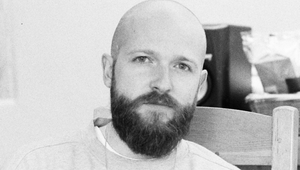
No Sushi, the filmmaker-first post house built around Emmy-winning editorial talent from film and television, has signed editor Keith Fraase to its editorial roster for commercial work.
Keith’s credits span some of the most acclaimed film and television work of recent years, including Past Lives, Severance, Shōgun and Materialists, alongside long-time collaborations with directors Terrence Malick and Celine Song. His signing marks the first individual editor announcement from No Sushi following the launch of its new website and wider editorial roster.
For No Sushi, the signing is not simply about adding another major name to the roster. It is about bringing a particular kind of editorial intelligence into advertising: one shaped by performance, emotional rhythm, musicality, intuition and a deep understanding of how audiences feel their way through a story.
“Keith is exactly the kind of editor No Sushi was built for,” says Alexander Jamieson, founder and managing director of No Sushi. “Of course the credits are extraordinary, but what really matters is the way he thinks. His work is cinematic, emotionally precise and deeply musical. He understands how to protect a performance, how to find the rhythm of a scene, and how to make an audience feel something. That kind of craft is incredibly valuable for brands and agencies trying to make work people actually want to watch.”
No Sushi was founded by Alexander and director Daps to bridge the gap between advertising and entertainment, giving agencies, brands, directors and production companies access to editors, colourists and sound designers whose work has helped define contemporary film and television.
The company’s belief is simple: the best advertising is entertainment. As commercials become more cinematic, branded films become more ambitious, and campaigns increasingly lean on actors, musicians, directors, documentary subjects and cultural storytelling, No Sushi believes the role of the editor becomes more central.
Keith joins the roster as a leading voice for prestige, emotionally driven storytelling. His work reflects exactly the kind of screen craft No Sushi wants to bring deeper into the commercial world: a command of tone, structure, performance, pacing, atmosphere and feeling.
Keith did not set out to become an editor. His first creative ambition was acting, before film studies pulled him behind the camera. His fascination with editing began with a one-two punch: watching The Graduate in an introductory film class and reading Walter Murch’s In the Blink of an Eye. Together, they changed the way he understood filmmaking.
The montages in The Graduate, set against Simon & Garfunkel, gave Keith an early sense of the almost magical quality of musical cutting. Murch’s writing then gave that instinct a language, showing him that editing was not just a technical process, but the thing that makes filmmaking distinct.
From there, Keith’s route into post production was anything but straightforward. After early work as an assistant camera operator, he landed his first post job almost by accident, stepping into an apprentice editor role with Sandra Adair, Richard Linklater’s long-time editor, who has collaborated with him on more than 20 features including Oscar-winning Boyhood. The experience changed his life. Adair let him sit in on sessions, watch her solve problems in the cut, and see how creative decisions could reshape a film from the inside.
That opportunity eventually led Keith to the post team on Terrence Malick’s The Tree of Life. Young, curious and eager to prove himself, Keith began showing Terrence cuts made from footage in the system. Terrence responded to the work, beginning a professional relationship that would span seven years and five films.
It was through Terrence that Keith developed one of the central beliefs that still guides his work: that the first version of a cut is rarely the answer. The real discoveries come through iteration, experimentation and a willingness to try ideas that may not work.
“Being willing to try iteration after iteration and always asking, ‘Is there a more evocative way to portray this?’ is what has led to my most interesting discoveries in the editing room,” says Keith. “I never approach a cut thinking my first attempt will be the final form. I work quickly to get to a first edit, just to get the ideas down, so that I can start experimenting with different ways of assembling the footage.”
That process has shaped Keith’s work across features, television and documentary. It also became central to Past Lives, the film he describes as a career-changing moment.
After years of uncertainty and a major project falling apart, Keith was sent the script for what was then a small-scale film from a first-time director. The film was Past Lives. Keith immediately connected with the material, and what initially seemed like a consolation after losing another project became one of the defining works of his career.
“I put so much of my soul into that edit,” says Keith. “The film means so much to so many people. Of all the things I’ve worked on, it’s the thing most people want to have long discussions about. Even if I don’t consider it my most flashy or difficult editing, I’m so proud of the work we did to make that movie special.”
For Keith, the edit is always musical, even when there is no music. He thinks of sequences in terms of movement, tempo, silence, pressure and release. Sound design and temp music are not afterthoughts, but part of how he discovers the shape of a scene.
“My editing has always been musical in nature,” says Keith. “Even when a sequence plays silently, there is still a musical rhythm to be found. It’s all about feeling the edit in your bones. If something feels off, then you can go in and try to dissect what the issue is. But it all starts from a feeling.”
For No Sushi, that philosophy is directly relevant to the future of advertising. The company believes that brands and agencies increasingly need editors who can do more than assemble polished assets. They need creative partners who understand story, performance, emotion, culture and attention at the level audiences now expect from premium entertainment.
“Advertising is filmmaking,” says Daps, co-founder of No Sushi. “And Keith’s work is a reminder of how much feeling lives in the cut. The best spots have rhythm, character, emotion and point of view. They are not interruptions. They are pieces of entertainment. Keith brings the kind of taste, patience and emotional intelligence that can help make commercial work feel alive.”
Keith’s signing is part of a wider visibility push for No Sushi’s editorial roster, with further editor announcements and craft-led features rolling out over the coming months. Each will explore how the company’s film, television and entertainment experience can help shape more distinctive, emotionally engaging and culturally relevant advertising.
For No Sushi, the goal is not simply to introduce the credits behind the roster. It is to show why those credits matter.
Great film and television editors understand how to hold attention, build character, protect performance, create rhythm and make audiences feel something. No Sushi believes those skills are becoming increasingly vital to the future of commercial work.
“Keith’s signing really proves the point we keep coming back to,” says Alexander. “The best advertising is entertainment. And if you want advertising to feel like entertainment, you need editors who understand story, emotion and audience attention at the highest level.”

Hires, Wins & Business in association withARC
More News from No Sushi
Why Editors Will Shape the Next Wave of Branded Entertainment14/08/2026
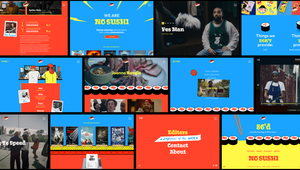
Eyeballs Builds New Digital Home for No Sushi’s Editorial Talent12/08/2026

No Sushi’s New Website Puts Entertainment at the Heart of Advertising04/08/2026
ALL THEIR NEWS
Work from No Sushi

Horrible Bosses 2 Official TrailerHD
27/07/2026
Role Models Official TrailerHD
27/07/2026

Voyage of Time Official TrailerHD
27/07/2026
ALL THEIR WORK
SUBSCRIBE TO LBB’S newsletterEnter your email
FOLLOW US
Events
DPA + SLA (+ US Add.)
MyLBB Score
About Us
Contact
Editorial Toolkit
Help & FAQ
Privacy Policy
Main Terms & Conditions
Newsletters
Create your own LBB icons
How it works
Plans & Pricing
LBB’s Global Sponsor

