


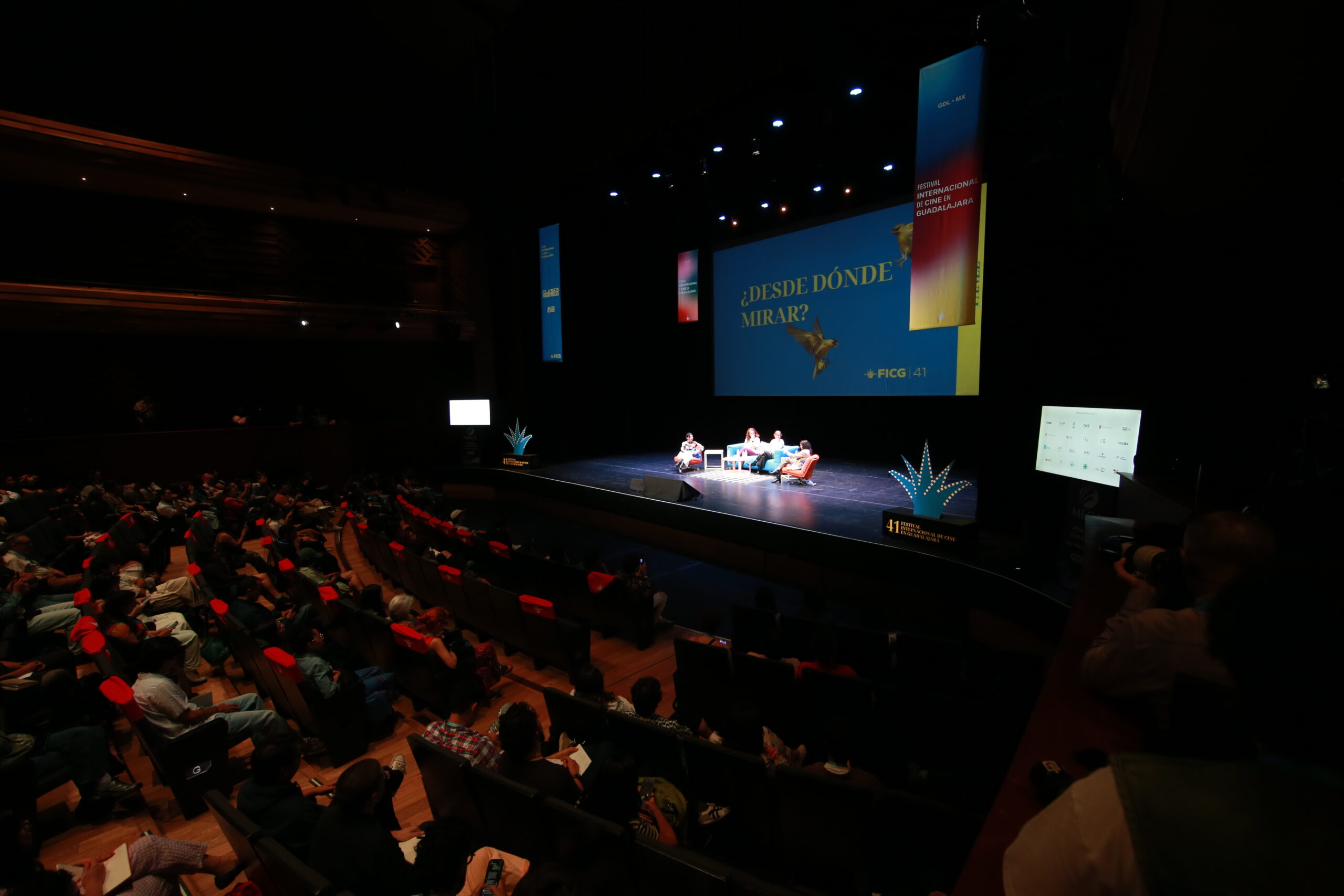
<img src="https://cinemamix360.com/wp-content/uploads/2026/09/260420_mirar-como-una-herramienta-para-contar-historias-plantean-cinefotografas_aa-1.jpg” alt=”Cinematographers propose viewing the camera as a tool for storytelling.”>
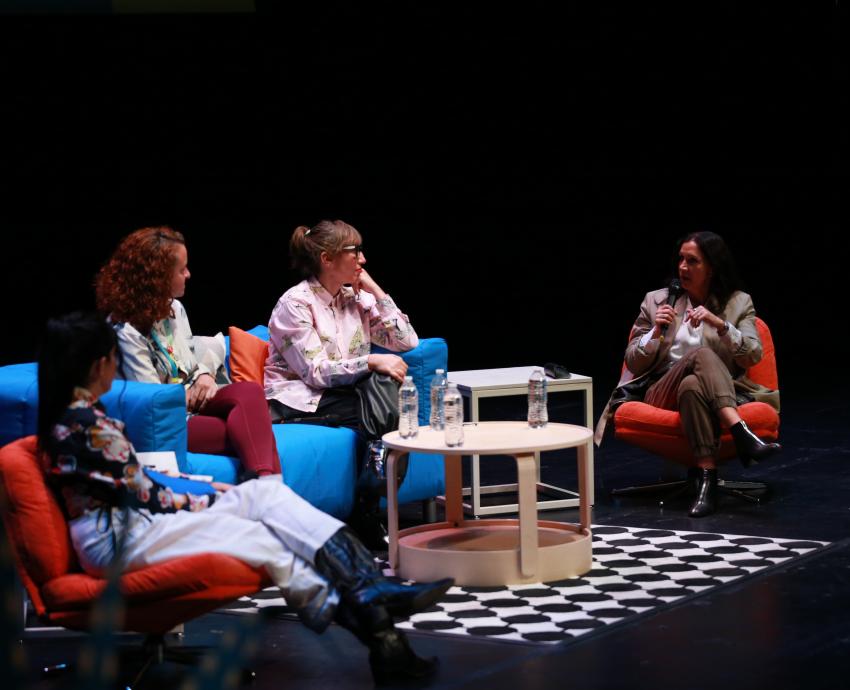
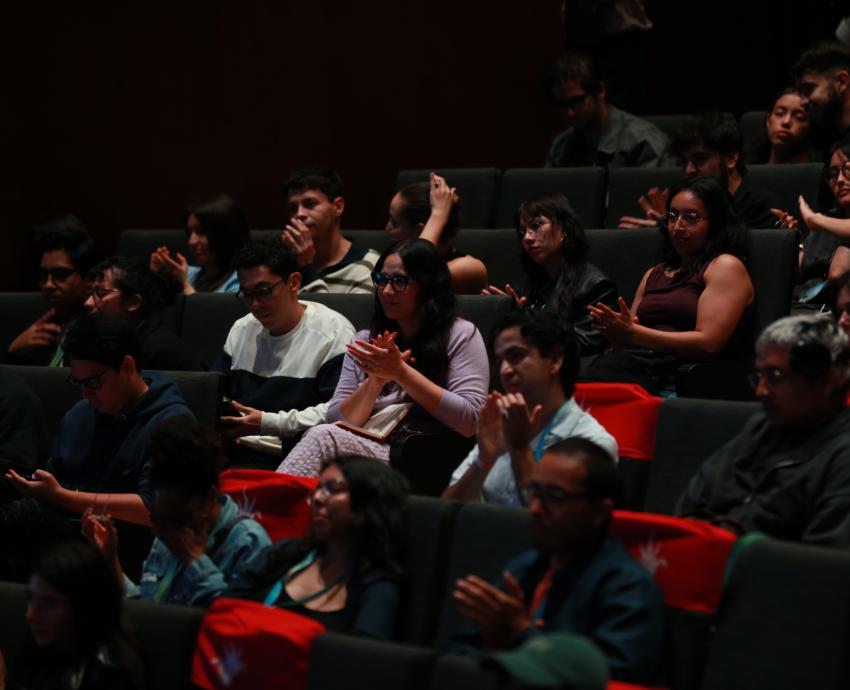
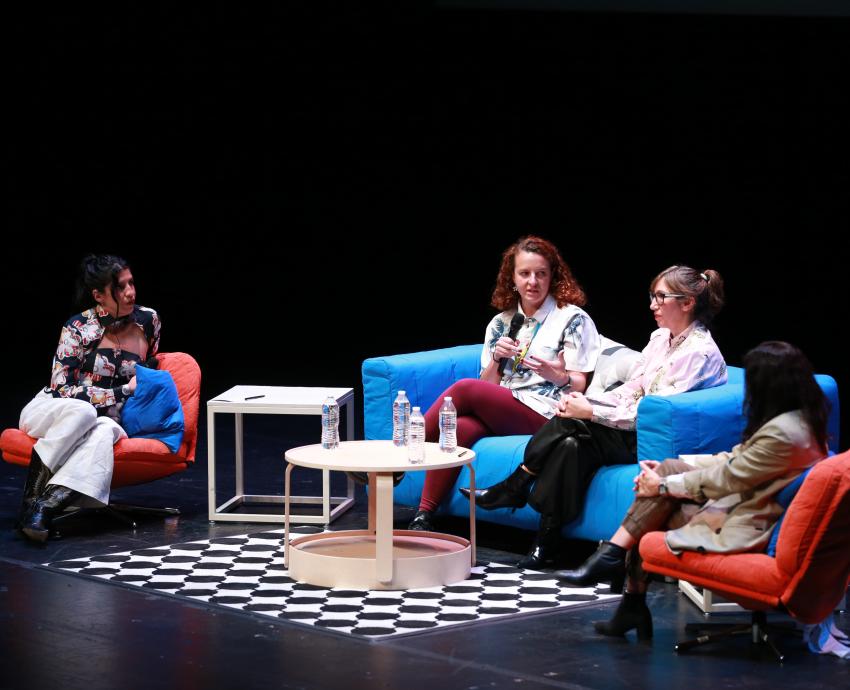
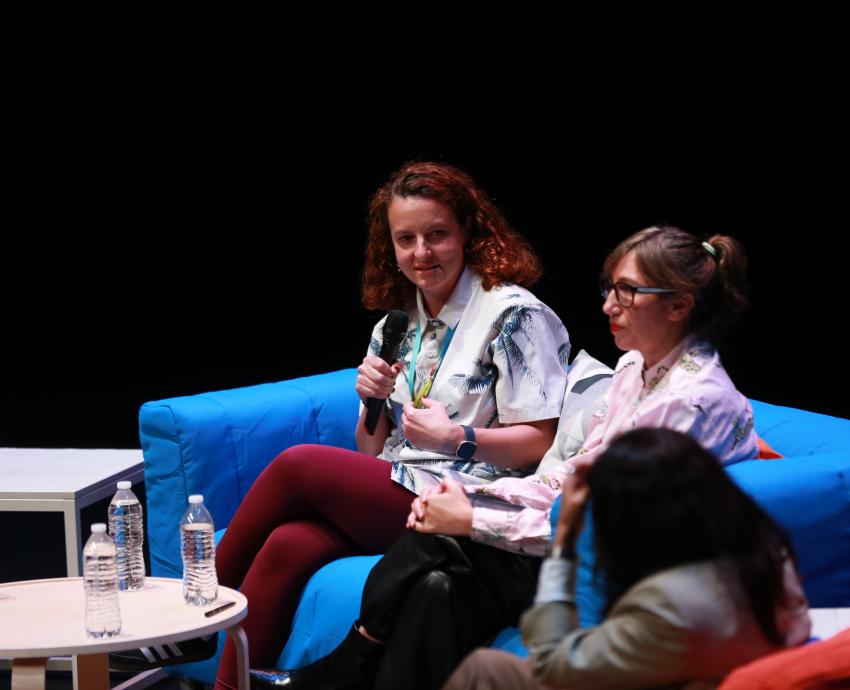
During the 41st edition of FICG, specialists in cinematography discussed the importance of observing and contemplating the details
Looking at reality is not limited to simply observing our surroundings; it is a set of techniques that go beyond the visual and that, with practicality and sensitivityThey help to narrate the stories that surround us and that surprise us just by looking at them.
This was the consensus among specialists in cinematography at the Festival international de Filmmaking en Guadalajara (FICG)during the panel “From where to look?””, which served as a space for experiences among women who have ventured into cinematographic photography, navigating between challenges, creativity, passion and breaking new ground.
To enrich the opportunities for photography on the big screen, it is necessary to know to appreciate the scope of contemplationThis helps those involved in cinematography to appreciate the details and moments that capture our attention, he said. Celiana Cárdenas, Mexico’s first female cinematographer.
During the panel, the specialist invited future film professionals to observe and contemplate the details with sensitivity and wonder, to turn those experiences into inspiration that will be reflected in the projects they work on.
“Our perspective is something that we, in particular, must constantly change and find new paths, concepts, and thoughts to be able to reach those stories from the truest part of ourselves, which for me are emotions,” he asserted.
For her part, filmmaker and cinematographer Dariela Ludlow considered that the looks atRealities should not be absolute.Therefore, they must be enriched by the experiences and perspectives of those who observe them, which can later become inspiration to transform those views into stories that are brought to the cinema.
“The first thing we must understand is that no one looks from a void, no one looks from nothing. We all look from an experience that has shaped us, whether it be the historical context, your gender, your wounds, your desires or abilities, your fears; all that makes you who you are is what filters your gaze,” she said.
To Maria Sarasvati Herrera, film director of photography, those who use those looks to make films have a function of “translators” of those realities in order to tell those stories.
He indicated that, from his experience, even the simplest production jobs help train a director of photography’s eye with sensitivity and logistics, creating the conditions to direct projects that become established on the big screen.
The panel moderator, Alejandra Márquez, added that from her perspective as a film director and screenwriter, she has also faced the need to break down barriers in the film industry, but highlighted that it is increasingly common for women to lead teams that build stories based on the perspectives of experts.
“We must remember that perspectives are unique, and the uniqueness of each one builds stories based on its synergy with its teams,” she pointed out.
Attentively
“Think and Work”
“40 Years of the Guadalajara International Book Fair”
Guadalajara, Jalisco, April 20, 2026
Text: UdeG Press
Photo: Abraham Aréchiga
Celiana Cárdenas
Dariela Ludlow
- 70 views
