


Provided
Two of St. Louis’ premier film festivals have taken a stand on the use of AI in movies.
St. Louis International Film Festival and St. Louis Filmmakers Showcase will no longer show any films for which the filmmaker used generative AI — the kind of artificial intelligence tool that creates images or sound based on the user’s text prompts.
Cinema St. Louis said in an announcement that the policy will take effect for its signature film festivals in 2027.
The festivals will still accept films that benefited from other forms of AI.
“AI is embedded in every video editing tool. So that is nearly impossible to police and nearly impossible to avoid,” said Emmett Williams, festival curation and education director for Cinema St. Louis. “We’ve always had the ability to change somebody’s shirt color [with digital editing], and so that is still OK. But when you create that shirt out of nothing, that is what is not allowed.”
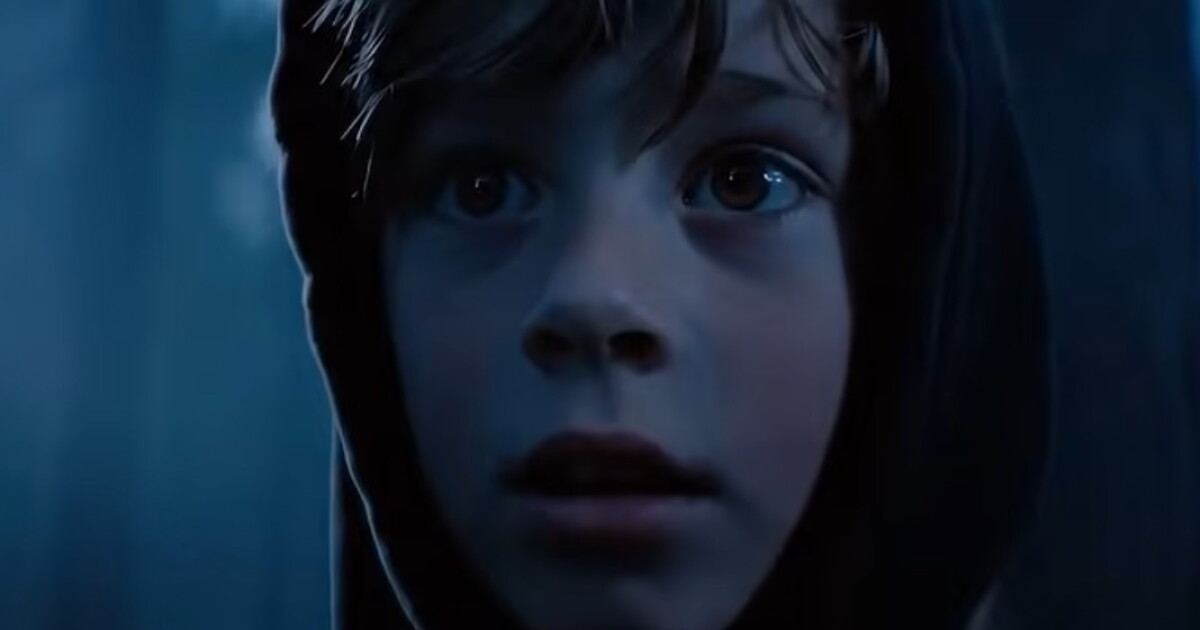
The policy follows the screening in July during the St. Louis Filmmakers Showcase of St. Louis filmmaker Jack Snyder’s short film “Anomaly,” which was created in part with generative AI.
The filmmaker, who is experienced with traditional filmmaking tools, hired human voice actors and a sound designer — but all the visuals in “Anomaly” were created with AI.
Critics note that developers of many AI tools train them on copyrighted materials without permission. They also say generative AI produces shoddy results and is too rege are worsening. AI boosters predict the technology will automate many jobs that are now performed by skilled humans
Snyder told “St. Louis on the Air” at the time that he used generative AI as an experiment, to bring to life an old script he had never produced and see how it came out. AI has bled into many common software tools, he said, making it difficult to ban it from filmmaking.
“What if you used AI to create all your spreadsheets, or do your research? Where is that line? I don’t know where that line is, but I’m excited for somebody to yell at me and tell me where it is,” Snyder said.
Among the AI skeptics whose input helped inform the Cinema St. Louis policy is Paul Hubbard, who organizes the annual horror film showcase Hysteria Fest. He cites ethical issues around AI use but mainly warns of the effects of generative AI on films.
“It’s a cheap shortcut that’s actually going to make your film worse. I understand why you want to go for it, but I encourage filmmakers not to,” Hubbard said.
“We need to cultivate more real filmmaking,” he added, “and get away from stuff that looks like slop. And use this as an opportunity for all of us to look inward, instead of accusing people of being thieves.”
