


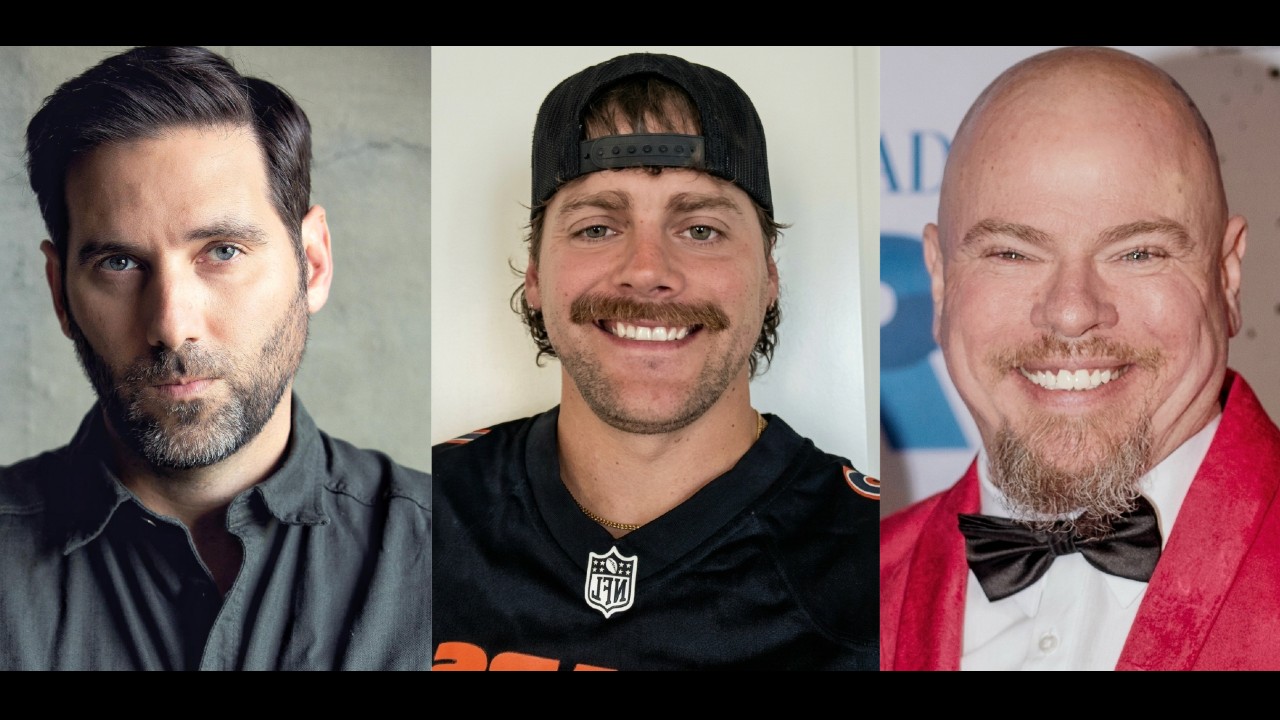
“We would like to get to a point where, as a filmmaker, if you put everything you’ve got into something and it’s something that people want to watch, there’s inherent value in that product. You can make money and earn a living as a filmmaker,” says Indieo co-founder Sam Brittan.
This seemingly simple notion is what drove him, co-founders Tony Hite and Bobby Cloud, and CTO Will Bulka to start building an ambitious ecosystem they say will make it possible for independent filmmakers to get their films seen by audiences around the world, and to get paid for it.
They believe the biggest problem for independent filmmakers isn’t a lack of talent, but a lack of structure. As they see it, filmmakers navigate a fragmented landscape where education, funding, production, distribution, theatrical exhibition, audience growth, sponsorship, merchandising, and analytics all exist in separate, gate-kept systems. Success, they say, often depends less on the quality of a story than on access to resources, relationships, and opportunities that remain out of reach for many creators.
Indieo was built to change that, by connecting moviemakers, audiences, theaters, investors, sponsors, educators, and industry professionals all together within a single system. Indieo aims to provide an infrastructure that independent film has never had.
The trio will be at the Toronto Film Festival on Tuesday to talk more about Indieo and how to sign up for it. Ahead of their meet and greet, they talked to MovieMakerabout the impetus for Indieo, disrupting independent filmmaking, their love of Chicago, and a visit to the House of Lords.
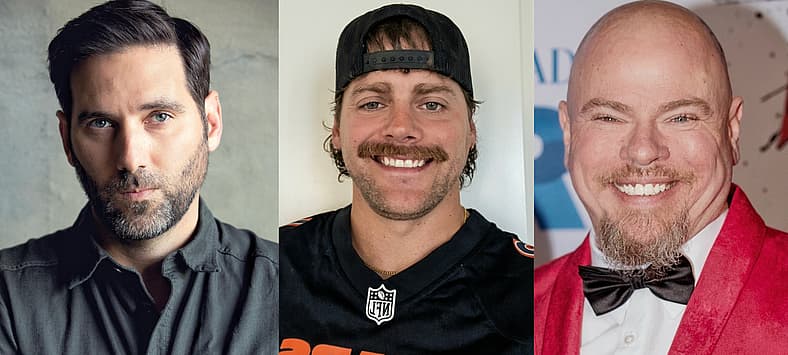
MovieMaker:First things first, what exactly is Indieo?
Sam Brittan: It’s a new connective ecosystem that puts all the parts of independent filmmaking together, and has an infrastructure underneath it for everything to work properly on. And then we changed the math so it’s filmmakers first, not filmmakers last.
MovieMaker:This is a very ambitious undertaking. Why not just do one thing at a time?
Bobby Cloud:Have you ever tried to put up a big tent by yourself? There has to be a minimum number of poles, and that’s what we’re working on: trying to get the base pillars of the structure.
Sam Brittan: We have to go through every line and address every problem, and they’re all related. So now, with us, a local festival in Seattle can invite the local theater owners. They can go, and then they can actually book those movies that they see there for their audiences instantly. As opposed to the ridiculous way it works now, which is like, ‘Hey, theater guy in Missouri, you got to fly to Toronto next. We go to the sales conference and then try and buy movies.’ It doesn’t make any sense. We’re fixing the things that don’t make sense.
MovieMaker: Why now?
Tony Hite: I went into Reddit, into five or six of the top independent filmmaker groups, and I found hundreds of some of the most heartbreaking posts you would ever see. Like someone put $3 million into a film and can’t even find a distributor. Some filmmaker took out a second mortgage on his house and still can’t make a buck. Families broken up. I mean, it was heartbreaking. Looking at all of that, I was like, okay, this is why we need to do it, this is exactly what we need to do, and we just got to figure out the how now.
MovieMaker:Why base your headquarters in Chicago?
Sam Brittan:This sort of ties to the “why now” question. Chicago has something that they call the Chicago 2050 Plan, which is the next five years and the next 50 years of Chicago. They see what they call the vibrancy portfolio, which is film, TV, media, art, theater, tourism, sports. They see that as the primary economic driver of the Chicago of the future. Chicago is actively planning for the future, and we got here at the right time.
World Business Chicago, which is like the center of power for running the Chicago creative economy, is not only fully supporting what we’re doing, but they’re they’re like leading the charge of the $16 billion creative economy here to grow it and make this a place where filmmakers and artists and creative people can work, where they have institutional support, to make it thrive here. We just felt like it was such perfect timing for us because we wanted to have our headquarters somewhere that was not a traditional Hollywood legacy system because we’re not that, and so that made sense.
Tony Hite: And I was born and raised right outside Chicago, so this is a personal thing.
MovieMaker:Can you talk to us about gatekeeping?
Tony Hite:Anyone can sign up for Indieo. The reason why we have kept the barrier to entry so low for filmmakers is because of how the current model works, they don’t have control over any of their films. Once they try and cut a deal and try to make some money on it, they almost have no autonomy over what happens. Indieo lets them do whatever they want, however they want to make money, how many people they want to see their films.
MovieMaker:There are a lot of amazing films that don’t get seen. But there are also a lot of less-than-amazing films. How do you handle curation?
Bobby Cloud: We don’t want to be telling the audience what to watch. We want to provide an opportunity so the audience can decide. We’re not promising you how much money you’re going to make with your project or how big it’s going to go. We’re not going to promise that. Maybe it’ll be in a thousand theaters worldwide. You could have eight million views through IndieoTV, or you could have a couple. But regardless, it’s a better option than what you’ve got now.
MovieMaker:Your stop in Toronto is part of a tour. What has the reception been like so far?
Bobby Cloud: Everyone that we’ve met has been so kind, and they always want to introduce us to someone else.
Sam Brittan: For example, we got a call last month from producer Debra Wootton, and she said, “Hey, if you guys were in London, I would love if you could come give a presentation in the House of Lords in British Parliament with me.” And we went, “What? Really?” And and so I called the guys and I said, “You’re not going to believe this, because we have not even launched yet, but someone wants us to be a part of a discussion about innovative ideas in the future of tech and media in the UK.”
So we bought our tickets on that Sunday, flew out on that Tuesday, and then on Thursday morning we’re driving over the River Thames looking at the Palace of Westminster going, “What are we doing here?” And then we went to the gift shop at Westminster Abbey, got Tony a tie because he didn’t bring one, and then walked across the street to the Palace of Westminster, and we’re in the House of Lords, and we’re just sitting there like, wow.
The Indieo team will be at the Toronto Film Festival on Tuesday to talk about the Indieo system, how it works, getting onboarded, and the launch plan.
2pm – 8pm, reservation not required
You can pose questions at [email protected].
