


Manchester Metropolitan University has signed a Memorandum of Understanding with Versa Studios Manchester, aiming to combine the organisations’ expertise to advance virtual production, harness AI technologies and more.
Focusing on research, innovation and skills development, the three-year agreement brings together the University’s strengths in creative technology with Versa’s industry expertise and extensive production facilities, which encompass the former home of Granada TV.
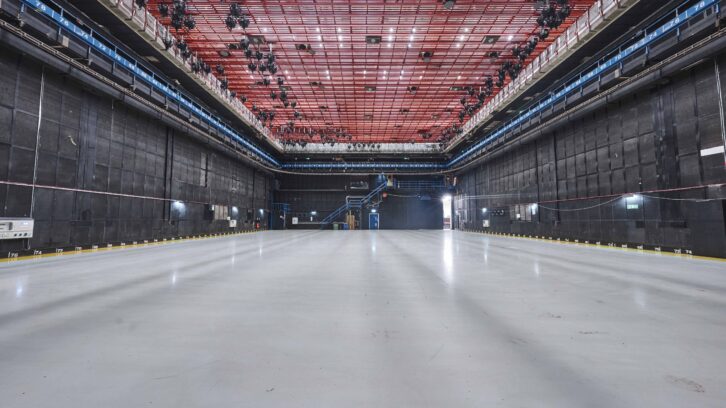
The collaboration will provide opportunities for students to work alongside industry professionals, facing real-world challenges in professional production environments through a series of placements, internships, workshops and more. Additionally, it will support research in areas including virtual production, audience insight, immersive experiences, creative AI and sustainability in production.
Versa will join the advisory board of the University’s £35 million School of Digital Arts (SODA), helping to ensure future programmes continue to align with industry needs.
Kirsty Fairclough, professor of screen studies and research and innovation lead at SODA, said, “This MoU is a significant opportunity to bring together world-class academic expertise with industry leadership to drive innovation across the creative and screen sectors.
“By working with Versa Studios, we can create powerful new opportunities for our students, develop impactful research and support the continued growth of Greater Manchester as a globally recognised centre for creative and digital innovation.”
The partnership will be deliverede innovative technologies to foster development of new formats with regional creatives and production companies
Commenting, Edward Harvey, head of production, Versa LAB, said, “The way content is made and experienced is changing, and we want Versa Studios to be part of shaping what comes next. Working with Manchester Met and SODA brings together the practical knowledge of a live production business with fresh talent and research expertise. It gives students a route into the industry and gives us the chance to explore new ideas, technologies and skills that can support the productions of the future.”
- A tale of two cities
