


The winners will be announced on 10 October
Friday, 9 October 2026, 15:37
Filmmaker Ina Sotirova is driven by a desire to help change the world around her through her work. In pursuing this goal, she strives to keep her finger on the pulse of everyday life, exploring the concerns and experiences that matter to people, even those they keep hidden or consider too personal to share. Her ability to tell stories with honesty, through the eyes of the people who live them, has earned her the admiration of audiences and recognition for her work.
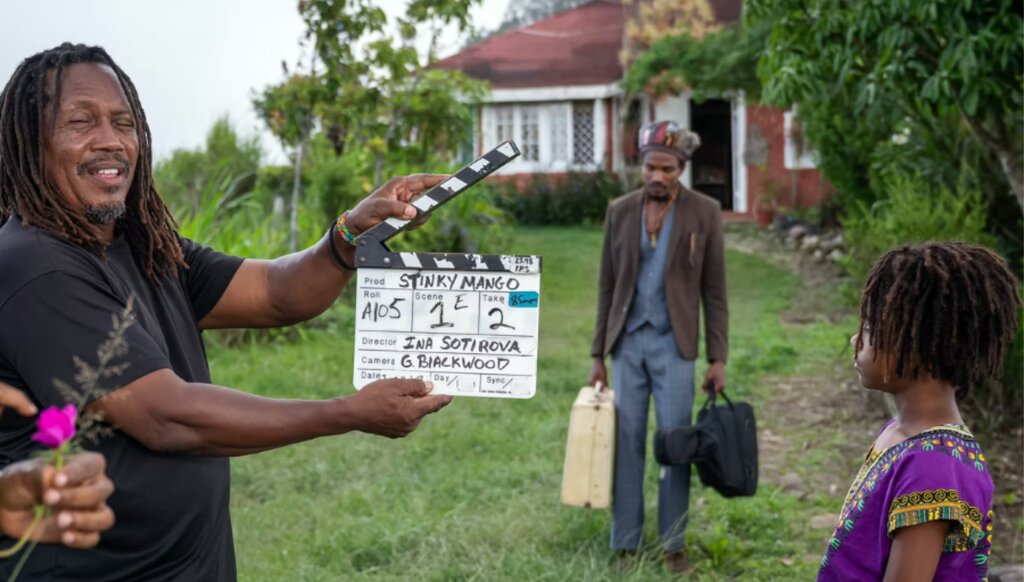
Her fourth film, Stinky Mango, received several nominations at the Diversity in Cannes event, winning the award for Best Ensemble Cast in Cannes. It subsequently received an award for innovative storytelling at the Films That Move festival in Jamaica.
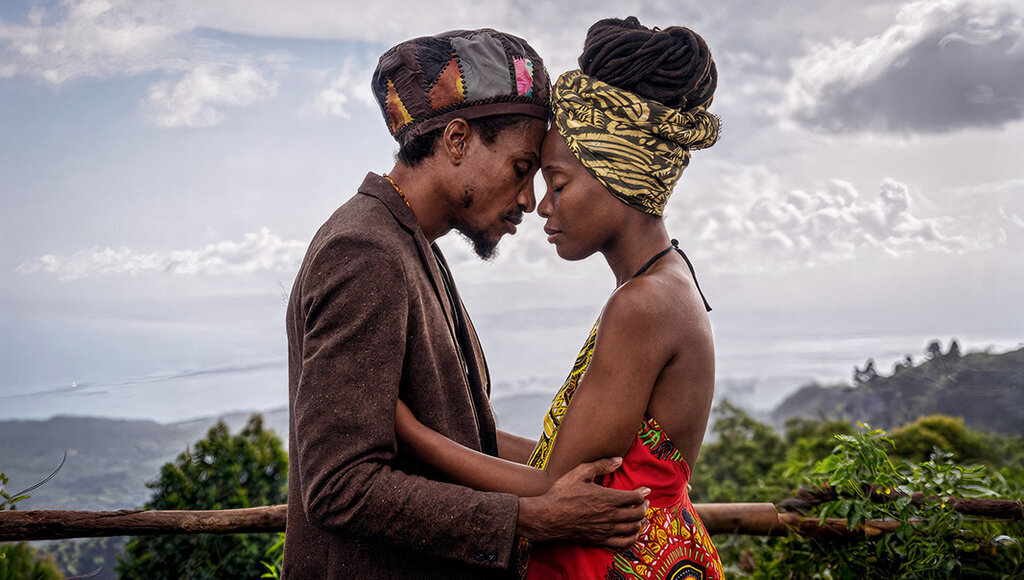
A year later, we have another reason to catch up with Ina Sotirova. Stinky Mango has received three nominations at the Caribbean Film Awards – for Best Short Film, Best Actor for Sheldon Shepherd, and the Caribbean Cultural Heritage Award.Sotirova herself is nominated forBest Emerging Director. Whether she takes home any of the awards will become clear on 10 October, at the inaugural edition of the awards ceremony in Wilmington, United States.
Her latest film, The Sisters and the Storm, has also been nominated for Best Documentary. The project was funded through a UNICEF programme:
“Last year, on 28 October, Hurricane Melissa struck the south-western part of Jamaica. It was extremely powerful and caused widespread devastation. Even today, people are still struggling to recover,” Ina Sotirova tells us.
“Earlier this year, UNICEF and the Jamaica Film and Television Association (JAFTA) launched an initiative to fund three short documentaries exploring the impact of the hurricane on women and children. I submitted my project, The Sisters of the Storm, and was awarded one of the three grants.
“The film tells the story of three girls who either have no families or have been removed from their homes because of domestic violence or other problems. They live in what are known as children’s villages. The hurricane destroyed one of these villages, forcing them to move to a similar facility in Jamaica’s capital, Kingston, where they don’t feel at home.”
Filming presented an unusual and emotionally demanding challenge because of the circumstances of its young protagonists:
“They are children, some of whom have no parents. We had to protect their identities. This isn’t a typical documentary where you see interviews with the people involved. We made it more like an audio diary.
“Because we weren’t allowed to show the children on screen or reveal where they were living, we had to be very creative in how we approached that part of the filmmaking process. As a result, the film became a much more poetic and intimate portrait of these children at a particular moment in their lives.”
Filming took just five days, although editing continued for another two months:
“I think this is the fastest film I’ve ever made. It’s only eight minutes long, but I should point out that making an eight-minute film is harder than making a fifteen-minute one, because it takes much more skill to decide what really matters.”
Is there a story from everyday life in Bulgaria that our compatriot feels strongly enough about to turn into a film that could capture the interest of audiences in Jamaica or elsewhere in the world?
“Of course. Wherever you look, there are stories,” Ina says emphatically. “There are things I feel I should learn more about myself. I simply haven’t yet had the time or opportunity to immerse myself in those stories.
“I’m particularly interested in communism and how its legacy continues to shape contemporary culture. So, at some point, I’ll explore those stories too.”
This publication was created by: Elizabeth Radkova
