

<img src="https://cinemamix360.com/wp-content/uploads/2026/08/sencka-C4-91-1.png” alt=”senckađ”>



EDITION→
Global
•
USA
•
UK
•
AUNZ
•
CANADA
•
IRELAND
•
FRANCE
•
GERMANY
•
ASIA
•
EUROPE
•
LATAM
•
MEA
Edition : InternationalLanguage : English
HOME
NEWS
CREATIVE LIBRARY
IMMORTAL AWARDS
MEMBER COMPANIES
PEOPLE
JOBS
How LBB WorksPlans & PricingEditorial Toolkit

news
NEWS
CREATIVE LIBRARY
IMMORTAL AWARDS
MEMBER COMPANIES
PEOPLE
JOBS
Login or Register
People in association withThe Monthly Cut
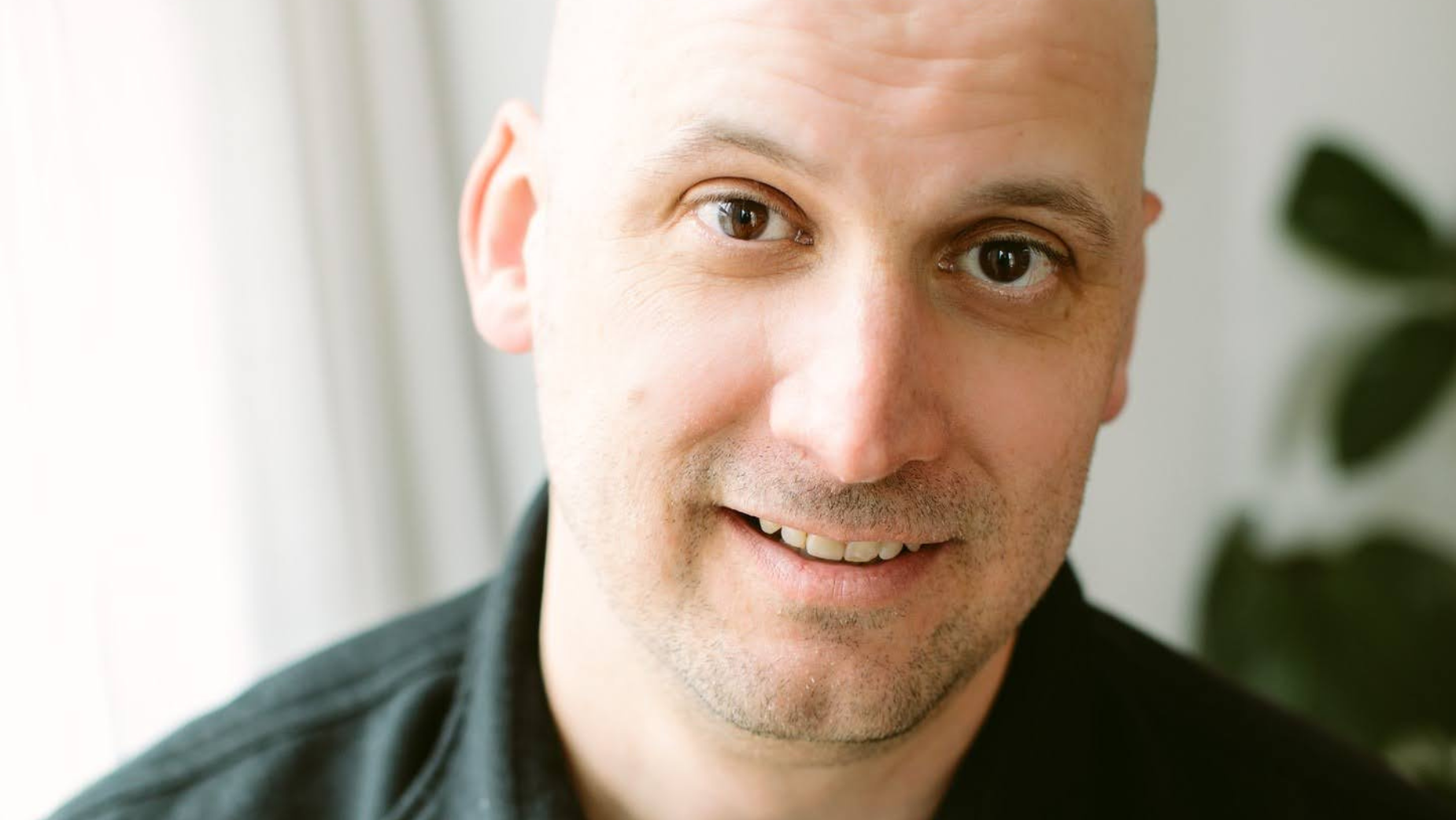
Primal Storytelling Instincts with John Resner

lbbonline.com
0
LIKE
ADD TO COLLECTION
03/08/2026
Share
The Papercut editor on his approach to starting projects, working with legendary editors, and the law of filmmaking thermal dynamics, as part of LBB’s Finely Sliced series
John Resner got into editing because it let him do what he already loved – spend hours alone in a poorly lit room. He thinks of the job as a funnel: every problem a production hits lands in the edit as a tangled mess in your lap, and the fun is untangling it until it makes sense.
He came up under heavy hitters like Andrea MacArthur and Andre Betz. His first Wieden+Kennedy job set the bar – a Jordan spot cut during the 2011 NBA lockout, which New York Magazine called “lowbrow genius”. When the shoot got cut short, he combed every frame until he found shots that looked entirely intentional. The lesson stuck: watch everything.
Since then, John has cut for Nike, Heineken, Delta, Gatorade, ESPN, Bank of America, and LOUIS XIII, among others, favouring a true push-pull with directors over hovering or hands-off.
He’s found a company he calls genuinely talented, kind, and humble. He feels right at home at Papercut – a studio as creatively sharp as its name implies.
John sat down with LBB to share his advice for those starting a career in the editing suite, moments where the magic of the edit begins, as well as his proudest work.
LBB> The first cut is the deepest: how do you like to start an editing project?
John> Well, I love to cook. Like mise en place – a fancy way of saying ‘get your sh*t together’ – editing requires an organised, uncluttered space. I start with a clean workspace, prepped ingredients, and a sharp knife.
Producers and AEs help by managing the onslaught of assets and setting the editor up in the most logical way. Then, you throw it all in a pot and start a slow boil, until only the tastiest bites remain. And just like cooking, you add a bit of this and a bit of that, and taste and adjust. But you don’t want to overcook your dish, like I have with this metaphor.
LBB> Non-editors often think of editing just in technical terms but it’s integral to the emotion and mood of a film. How did you develop that side of your craft?
John> Read books, listen to music, cry at a good film, enjoy a nice meal with people you love. Hum a tune. Debate. Argue and make up. I mean, that’s life in a nutshell. The editor’s first responsibility is creating what we think is good; otherwise, you’re merely pushing buttons. So like, have an opinion.
LBB> How important is an understanding of story and the mechanics of story?
John> Essential. I think everyone finds comfort in a beginning, a middle, and an end. Ads are in your face for 30, 15, sometimes six seconds. It’s about creating something that satisfies our most primal storytelling instincts.
LBB> Rhythm and a sense of musicality seem to be intrinsic to good editing (even when it’s a film without actual music) – how do you think about the rhythm side of editing, how do you feel out the beats of a scene or a spot? And do you like to cut to music?
John> Heck yeah, I love to cut to music. (Until inevitably someone says, ’Edit is great! Let’s try a different track’)?
I was a drummer in high school (playing bass and quads in the marching band, not like a cool rock band). Band gave me a good sense of rhythm. And now I can walk backward and sideways with relative ease. My sound design professor from film school used to say that on an airplane, the visuals are free, but you pay for the earphones (millennials will understand). He had a point! For me, the magic of the edit begins where the visual and audio collide.
Music plays a big part in that, but there is a fine line between rhythmic editing and simple, ‘Mickey Mouse’-cutting to music (cutting exactly to the beat/actions). For me, an edit works when you can turn the sound off and still feel something. Music is like the knob of butter you add just before service. There I go with the food metaphors again…
LBB> Tell us about a recent editing project that involved some interesting creative challenges.
John> Biff Butler (Papercut co-founder) and I cut a project together that went through many rounds before the room realised that we could and should play (almost) the whole thing in reverse. Spoiler alert, it worked!
LBB> In the US we know that editors are much more heavily involved across the post production process than in Europe – what’s your favourite part of that side of the job?
John> Being around for sound design, mix, colour, and conform is great because you keep an eye toward consistency. It’s also just plain fun to watch something congeal into a coherent, beautifully finished piece. A panoply of artists showing their best abilities. Very satisfying.
LBB> What’s harder to cut around – too much material or not enough? (And why?)
John> Oof, tough one. I would say too much, because in order to be true to the material, we need to be familiar with everything available for the edit, right?
I once cut a feature doc based on a controversial pop cultural icon whose name I won’t say here, but it rhymes with ‘Lobster Fest’. The story subject was not aware of, much less participating in the project, so all we had available to us was everything else that ever existed under the sun (that fell under fair use). It was easily the most challenging/rewarding project I’ve ever been a part of.
Unfortunately, the project was killed just before release, when the story subject unravelled and was publicly de-platformed on the world stage. Shame; it was a beautiful and complicated film.
LBB> Which commercial projects are you proudest of and why?
John> Well, I’m a dad now, but before I had kids, I cut a Delta Airlines spot for Father’s Day.
Directed by The Mercadantes for Wieden+Kennedy, I had many good, cleansing cries screening those dailies. Like, what’s happening to me? Some of the sweetest, rawest, realest films I’ve ever worked with. We turned in a touching piece that still brings a tear to my eye to this day. Less of a commercial project, and more like a ‘call your dad’ PSA.
LBB> There are so many different platforms for film content now, and even in advertising something can last anything from a few seconds to a couple of hours. As an editor, are you seeing a change in the kind of projects you’re getting from brands and agencies?
John> Change is constant. Just when we get used to the playing field, it gets switched up. As an editor, part of the job is to adapt to whatever clients throw at you. Tighter deadlines, tantrums, chairs – I’ve seen it all.
LBB> Who are your editing heroes and why? What films or spots epitomise good editing for you?
John> I had the good fortune to work alongside some legendary editors. Andrea MacArthur, Andre Betz, Tom Muldoon, John Murray, Joel Miller, to name a few. I assisted Joel before I moved up to editor, and he taught me everything he learned under Steve Gandolfi. And now I work with Biff and JD Smyth, two editors I’ve admired for years. Every editor I’ve worked with/for has something valuable to share. Tricks, tips, and stories that make today’s business seem pretty tame! It’s that ’each one, teach one’ ethos that keeps me in the game.
In terms of good editing, Andrea cut a ‘Halo’ spot for Xbox that was an absolute masterstroke in building tension and editorial restraint. She’s the best.
LBB> How does editing in the commercial world differ from the film world and TV world?
John> I’ve not had the pleasure of cutting TV (although I am creating/EPing a scripted series for streaming as we speak). Advertising and film are worlds unto themselves, but there are common threads. The budgets, schedules, and stakeholders all change from ads to film.
For instance, I cut the aforementioned feature doc for over a year. Met the director in person exactly twice. Once at an alpaca farm on Martha’s Vineyard, and again about a year later at a post studio in New York to lock the picture. You’d be hard-pressed to find that kind of creative autonomy in the ad world. But then again, the budget disparity is real – you’d spend my weekly doc rate on sushi lunch in the ad world, so you have to pick your poison.
LBB> Have you noticed any trends or changes in commercial editing over recent years
John> Yes. The law of filmmaking thermal dynamics. Deliverables always expand. Budgets always contract.

People in association withThe Monthly Cut
More News from papercut
Papercut Welcomes Editor Ben Corfield28/07/2026
The Composer-Editor Duo Making Its Mark on Commercial Creativity08/07/2026
Cars Dance and Weave Their Way to the World Cup in Turo Ad from W+K18/05/2026
ALL THEIR NEWS
Work from papercut
Predict that.KALSHI
27/07/2026
Bryson DeChambeauKalshi
27/07/2026
ALL THEIR WORK
SUBSCRIBE TO LBB’S newsletterEnter your email
FOLLOW US
Events
DPA + SLA (+ US Add.)
MyLBB Score
About Us
Contact
Editorial Toolkit
Help & FAQ
Privacy Policy
Main Terms & Conditions
Newsletters
Create your own LBB icons
How it works
Plans & Pricing
LBB’s Global Sponsor

