


Sophie Darlington is a legend in the realm of documentaries. She has worked with Disney, Discovery, PBS, BBC, and National Geographic to capture the sights, sounds, and surprises of wildlife. Even after a lengthy career of showcasing nature, though, her latest assignment stands out for its ambition.
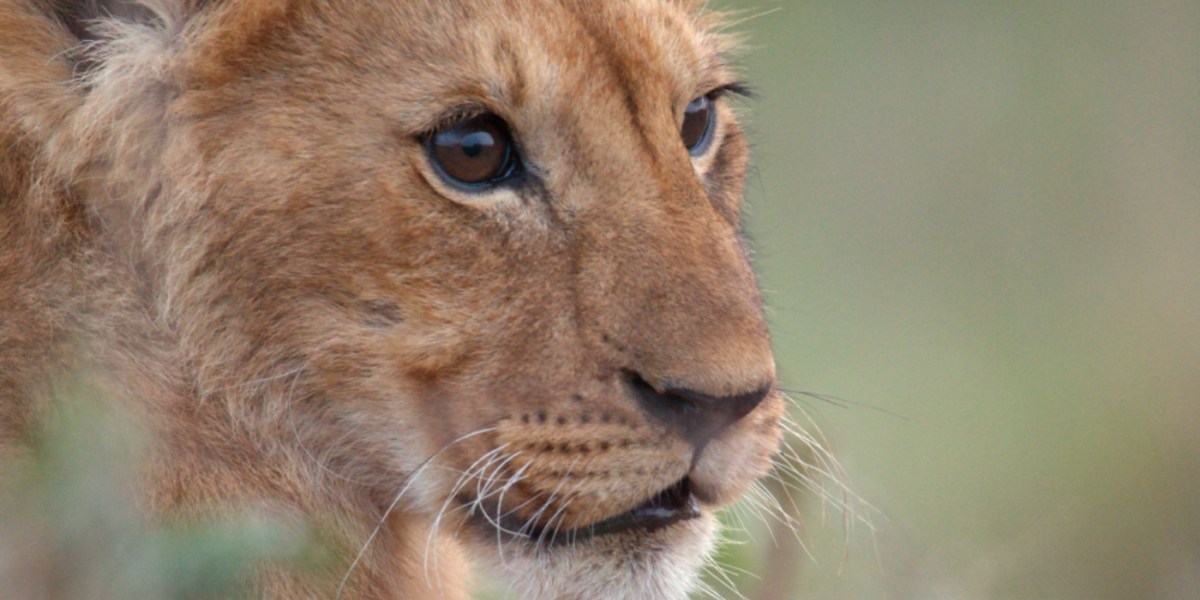
Executive Produced by Jon Favreau, Lion is the result of a four-year-long film shoot following the growth of a lion cub named Kio into a full-grown adult. During an interview with TVBrittanyF, Lion Director of Photography Sophie Darlington discussed the unique conditions of filming this special as opposed to other nature documentaries, what Jon Favreau brought to the project, and the biggest surprise she encountered during their four-year shoot.
TVBF: You’ve done so much work with organizations like Nat Geo and the BBC in the past. How did Jon Favreau and his team stand out from your previous creative collaborators?
Sophie Darlington: I’ll tell you what, that’s really simple; It was the fact that they gave us four years to tell a story. I mean, honestly, that is such a luxury and a privilege. Usually, you get a shoot that is two months, maybe three months long. But to spend four years telling one story, that’s a gift. So there’s the main difference. Having a storyteller like Jon at the top who can sort of stand back and see what we’re putting together.
The team in Bristol, everybody is bringing their years of experience. Jon is sort of able to stand back and give us that storyteller perspective. For the team, it was a really good relationship. Apparently, he used the footage that we shot on Dynasties for the BBC for The Lion King, and I love the fact that I shot that, and that look became the Circle of Life. It’s the dream.
Four years for a documentary series is a wild amount of time to spend out there with the animals. It’s a record, I believe. What was that experience like?
Amazing. I mean, you’ve got a cast, haven’t you? You can’t write a script. You know the basics of what they’re going to do. They’re going to go out to feed. They’re going to mate. They’re hopefully going to have cubs. You just can’t tell what’s going to happen. The team was very careful to choose a Pride that looked like it would tell a story.
Since I started filming lions, I wanted to tell the male lions’ story because it is ridiculous. Everyone thinks male lions are iconic, but actually, very few people have followed them from start to finish, or not to finish, hopefully to their prime. It was a dream come true.
What was the biggest challenge of this experience?
I think the biggest challenge was not knowing where the blooming story would go [Laughter]. You’re absolutely held hostage to a pride of lions. I’ve been thinking about it, and [the lions] were really the directors. We were just sort of following them. We found them, which is always a joy first thing in the morning. We found you. What’s going on? Are you somewhere we can follow you? You just don’t know what’s going to happen, so what you do is at the very beginning, we shot much more of everybody, of all the lions. By the time we got to Kio, we got to about a year and a half in, I was beginning to believe that he might make it.
I don’t think people realize how hard it is to be a lion, and I really hope this show – – not in a way that would traumatize anybody, obviously – – but I hope they come away going, “Oh my word! I thought being a male lion was just chilling, and it’s just not.” It’s tough, and so few of them make it through the first year, let alone growing up. That was a big challenge: to have faith and trust, and backup plans. Which we didn’t really have, so it’s a good thing he survived [Laughter].
What would you say was the biggest surprise?
I don’t want to keep on banging this nail on the head, but honestly, the fact that Kio survived is the thing that surprised me. I really didn’t think he would. With every obstacle, he surprised me. I mean, it’s sort of like the trials of Hercules, isn’t it? You lose your pride, you lose your mum, you lose your brothers. You meet other males. Every single moment of that surprised me. But the other thing that surprised me is that, because I’ve worked with lions for a long, long time, they still constantly surprise me.
I think I know lions, and everyone’s like, “Oh, another lion film?” Each one is not like any other. It’s because these animals are intriguing. They’re endangered. There are loads of people who think they’re really safe, but there are fewer wild lions in Africa than there were wild mountain lions in the Americas. They’re not abundant creatures; they’re rare. I’m really passionate about the fact that they get to tell their own stories. I came away from this realizing I had no idea it was so tough to be a lion!
Lion debuts August 19 at 9/8c on National Geographic and will be on Hulu and Disney+ the following day
