




EDITION→
Global
•
USA
•
UK
•
AUNZ
•
CANADA
•
IRELAND
•
FRANCE
•
GERMANY
•
ASIA
•
EUROPE
•
LATAM
•
MEA
Edition : InternationalLanguage : English
HOME
NEWS
CREATIVE LIBRARY
IMMORTAL AWARDS
MEMBER COMPANIES
PEOPLE
JOBS
How LBB WorksPlans & PricingEditorial Toolkit

news
NEWS
CREATIVE LIBRARY
IMMORTAL AWARDS
MEMBER COMPANIES
PEOPLE
JOBS
Login or Register
People in association withThe Monthly Cut

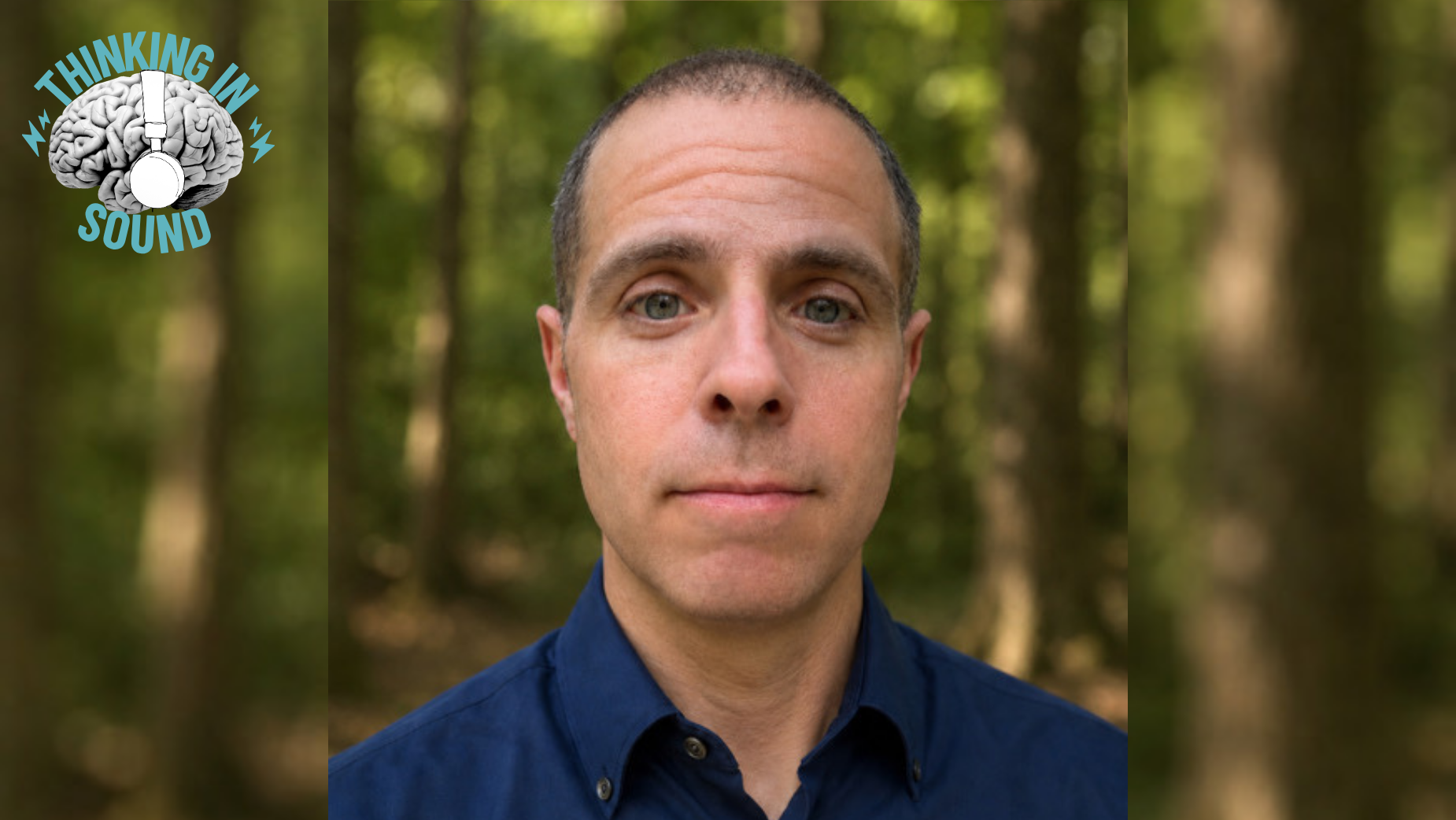
Storytelling Through Sound with Weston Fonger

lbbonline.com
0
LIKE
ADD TO COLLECTION
22/07/2026
Share
The co-founder of Sound Goods on sonic identity, and why the roles that music and sound play in advertising are just as important as they’ve ever been, as part of LBB’s Thinking In Sound series
Weston Fonger is a sound designer, mixer and co-founder of Sound Goods, with more than 20 years of experience across advertising, film and experiential media. His work spans Super Bowl campaigns, branded content, documentaries, and large-scale immersive installations, including Taylor Swift’s ‘The 1989 World Tour Live’, numerous films with Academy Award-nominated animator Bill Plympton, One World Observatory, Hudson Yards’ Edge, and immersive experiences around the world.
Known for his collaborative approach and attention to detail, Weston works closely with directors, editors, composers and creative teams to shape the emotional identity of a project through sound. Whether crafting an intimate cinematic moment, or a large-scale immersive experience, his focus is always the same: helping great stories connect with audiences in memorable ways.
Weston sat down with LBB to discuss his creative process, the solitary part of sound design, and love of the sci-fi genre.
LBB> When you’re working on a new brief or project, what’s your typical starting point? How do you break it down and how do you like to generate your ideas or response?
Weston> The first thing I like to do is get on a kick-off call with the client and creative team. I really enjoy hearing about the people who made the piece, where it was shot, what happened during production, and any little stories or background details they can share. Sometimes a seemingly minor piece of context can completely change how I understand a scene. It helps me dial in the tone and make sure the sound feels connected to the world they were trying to create, rather than something imposed on top of it afterward.
From there, I usually start with the fundamentals: ambience, Foley, and all of the sounds that need to feel convincing and grounded. Those elements may not always be the most obvious or attention-grabbing, but they create the foundation that allows the more expressive sound design to work. If that base feels believable, I have much more freedom to push the creative elements without losing the audience.
Once that foundation is in place, I start opening samplers, synthesisers and all kinds of analogue and digital tools I’ve collected over the years, and begin making sounds. I might manipulate a field recording, run something ordinary through a synth, or combine several elements that have no obvious relationship to one another. The magic usually happens when I begin placing those pieces against the picture and hearing how they interact.
LBB> Music and sound are in some ways the most collaborative and interactive forms of creativity – what are your thoughts on this? Do you prefer to work solo or with a gang – and what are some of your most memorable professional collaborations?
Weston> I really enjoy the focused, solitary part of sound design – getting into a room, experimenting, and following an idea without interruption – but some of my favourite work has come from close collaboration with other people.
I particularly enjoy working directly with composers. When music and sound design are developed together, rather than treated as two separate layers, they can completely transform the mood and identity of a piece. It’s one of the reasons I enjoy when we’re able to handle the full audio package for a client.
In those cases, I’ll usually have a call or spotting session with the composer before either of us gets too far into the work. We’ll talk through the overall strategy: where the major sound design moments should happen, where the music needs space, where it can carry the emotion, and sometimes even the key, tempo or rhythmic language we want to share.
I like hearing the composer’s initial ideas and then responding to the track as it develops. I might create an additional tonal layer that sits harmonically with the music, or use its tempo and rhythm to build a cadence of impacts, movements or percussive sounds. Sometimes, the best solution is knowing when to pull the sound design back and let the music lead. The goal is harmony – pun very much intended.
I’ve also been fortunate to participate in some large-scale, long-form and long-running projects involving big teams, travel, late-night pushes and more than a few sleepless nights. Those experiences can be intense, but the feeling when everything finally comes together and delivers is incredibly rewarding. There’s a collective sense of accomplishment that is difficult to recreate when you’re working completely alone. Everyone has contributed a different skill, perspective, or solution, and the final result becomes something none of us could have made individually.
LBB> What’s the most satisfying part of your job and why?
Weston> I love the moment when I present the work for the first time. Whether it’s the first playback in a room with everyone together, or sharing a pass remotely and then getting on Zoom to discuss it, there’s always a little excitement and nervous energy that I really enjoy.
Of course, it’s incredibly satisfying when the clients are thrilled with the work and have no notes. But I also enjoy the conversation that happens when something isn’t quite where they imagined it yet. A note can reveal something about the emotion, tone, or intention of the piece that may not have been obvious before, and then the challenge becomes figuring out how to translate that into sound.
For me, the most satisfying part isn’t simply finishing a mix. It’s taking an idea, giving it a sonic identity, and collaborating with the people who created the work until everything connects.
LBB> As the advertising industry changes, how do you think the role of music and sound is changing with it?
Weston> I think the roles that music and sound play are just as important as they’ve ever been, but the way they’re being used continues to evolve. As the media landscape expands beyond traditional-length advertising into social, branded content, short-form work, and other platform-specific formats, audiences are encountering content in increasingly crowded and distracted environments. Thoughtful audio can be the thing that grabs someone’s attention, keeps them engaged, and immediately communicates how a piece is meant to feel.
Music and sound help connect the message and emotion of the work to the viewer. They can shape the pacing, create tension or release, add personality, and give even a very short piece a sense of scale and intention. They can also help create a recognisable identity for a brand across very different formats and platforms.
The need to create more versions of a piece for more destinations also makes flexibility increasingly important. The sound has to maintain its identity, whether the work is running as a longer film, a short social edit, or something experienced on a completely different platform.
To me, the strongest work happens when sound is treated as part of the creative idea from the beginning, rather than something added at the end. When the picture, music, sound design and mix are all working together, the result feels more cohesive, more memorable and ultimately more human.
LBB> Who are your musical or audio heroes and why?
Weston> Honestly, my heroes are less the famous names, and more the people who have helped shape the way I think about the work. I’ve been incredibly fortunate to have mentors and collaborators throughout my career who challenged me creatively, encouraged me to stay curious, and reminded me that great sound is about serving the story – not showing off.
My business partner, Angelina Powers, has had an enormous influence on that perspective. She has an incredible ability to connect with people, build lasting relationships, and remind me that this business is ultimately about trust. The best creative work almost always grows out of great relationships.
So, while I admire the work of plenty of composers, mixers, and sound designers, the people I consider my heroes are the ones who taught me how to be a better collaborator, a better listener, and, hopefully, a better partner to the people who trust us with their work.
LBB> And when it comes to your particular field, whether sound design or composing, are there any particular ideas or pioneers that you go back to frequently or who really influence your thinking about the work you do?
Weston> I love sci-fi – both the older classics and newer films and shows. There’s something so creative about having to imagine the sound of an object, technology, or entire world that doesn’t actually exist. The best sci-fi sound design somehow feels believable and completely unfamiliar at the same time.
I try to bring that same ethos into my own work. Even when I’m dealing with sounds that already exist, I’m always looking for a new way into them – layering, manipulating, or reframing them so they feel specific to the piece. A sound doesn’t necessarily have to be used literally just because its
LBB> When you’re working on something that isn’t directly sound design or music (lets say going through client briefs or answering emails) – are you the sort of person who needs music and noise in the background or is that completely distracting to you? What are your thoughts on ‘background’ sound and music as you work?
Weston> I’m actually someone who needs quiet when I’m doing admin work, reading briefs, or writing emails. Music and background noise tend to take up too much of my attention, and I’m not very good at dividing my brain that way.
To be honest, I’ve only really learned to enjoy audiobooks and podcasts within the last few months. My family started putting on some amazing audiobooks during long road trips and flights, and I began listening to podcasts on long morning walks around the neighbourhood – or while mowing the lawn. Before that, I found it almost impossible to listen without focusing on the production itself. A rough edit, an inconsistent mix, a distracting breath, or a change in room tone could pull me completely out of what was being said. It’s probably an occupational hazard.
LBB> Do you have a collection of music/sounds and what shape does it take (are you a vinyl nerd, do you have hard drives full of random bird sounds, are you a hyper-organised spotify-er…)?
Weston> I have a reasonably sized vinyl collection, but I’m definitely not someone who only wants to listen one way. I like being able to jump around between formats and follow whatever catches my ear.
Apple Music has been great for broadening my horizons and exposing me to things I probably wouldn’t have found otherwise. I can always go back to the artists and records I already love, but when I’m exploring something new, I like being able to skip around, sample different tracks, and see what pulls me in.
On the sound side, I have years of libraries, field recordings and strangeurite files are ambiences I’ve recorded while travelling. They may eventually be useful in a project, but they also carry the memory of where they came from. I love searching for something years later and unexpectedly being taken back to a particular forest, city, or beach
LBB> Outside of the music and sound world, what sort of art or topics really excite you and do you ever relate that back to music (e.g. history buffs who love music that can help you travel through time, gamers who love interactive sound design… I mean it really could be anything!!)
Weston> I’m probably most inspired by nature. I love being at the beach, walking through the forest, sitting near the water, or even just watching the bird feeder in my backyard. There’s always something happening if you slow down enough to notice it.
Of course, I’m always listening. The sound of wind moving through different kinds of trees, waves arriving at slightly different intervals, insects creating a constant texture underneath everything, or the way bird calls overlap and answer one another – there’s so much rhythm, movement and detail in the natural world.
There are also endless opportunities to take something I hear in the real world and reinterpret it for a project. A natural sound can become a rhythm, a texture, a transition, or the starting point for something completely abstract. Even when I’m not consciously collecting material, spending time outside helps reset my ears and reminds me how expressive the world already is, even before we add anything to it.
LBB> Let’s talk travel! It’s often cited as one of the most creatively inspiring things you can do – I’d love to know what are the most exciting or inspiring experiences you’ve had when it comes to sound and music on your travels?
Weston> I love travelling somewhere new and taking in as much of it as I can. Visiting different countries and continents has given me a broader perspective on the world, and sound is a huge part of how I remember those places.
I often record a few minutes of ambience as I travel and eventually edit those recordings into my sound effects library. I love when one of them unexpectedly appears in a search and brings back the memory of that exact moment – the beach in Tulum at night, the cloud forests of Peru, or a busy Parisian evening along the Seine. Every place has its own rhythm, texture and sonic identity. Those recordings may eventually become useful material in a project, but they’re also a kind of personal audio diary.
A very different and deeply meaningful experience came last December, when I travelled to Budapest with my family. I had lost my dad to prostate cancer the previous spring. He was a prolific hobbyist composer who left behind an enormous amount of music, and we went to Budapest to record one of his orchestral works with the Budapest Scoring Orchestra.
Hearing music that had previously existed only in his imagination and in the score suddenly brought to life by a room full of professional musicians was incredibly emotional. There was something magical about watching the players respond to his writing and hearing all of those individual parts become one complete piece. From both a personal and an audio perspective, it is a trip I’ll never forget.
LBB> As we age, our ears change physically and our tastes evolve too, and life changes mean we don’t get to engage in our passions in the same intensity as in our youth – how has your relationship with sound and music changed over the years?
Weston> In my personal life, I think I’ve become more of a spectator than an active musician, which I’m a little sorry to admit. I grew up playing in all kinds of bands and ensembles on a lot of different instruments – trumpet in concert bands, jazz bands, marching bands and brass groups; guitar, bass, drums and vocals in punk and rock bands; and clarinet and bass clarinet in wind ensembles. For a long time, performing and making music were constant parts of my life.
As I’ve gotten older, I’ve started keeping more of that side of myself private. I still play around, write songs, and come up with ideas, but I’ve had a harder time committing them to “‘ape’ and finishing them. Part of that is probably the perfectionist in me. When you spend your professional life listening critically and refining things, it can be difficult to turn that part of your brain off when the work is your own.
The other part is simply time. Running a business, being a dad and partner, and dealing with the seemingly endless list of obligations and projects around the house doesn’t leave the same kind of open space I had when I was younger. Thankfully, I feel incredibly creatively fulfilled by the work I do every day, so that part of me hasn’t disappeared. It has simply found a different outlet.
My relationship with listening has changed too. I think I’m more attentive now to subtlety, restraint, and intention than I was when I was younger. I may not consume music with quite the same intensity, but I probably listen more deeply when I do.
Still, performing is something I want to return to. I recently joined a local orchestra on trumpet, and I’m genuinely excited about where that might lead – whether it’s meeting other musicians, finding new groups to play with, or simply beginning a new musical chapter in my life. It feels less like trying to recreate who I was when I was younger, and more like discovering what music can mean to me now.

People in association withThe Monthly Cut
More News from Sound Goods

Sound Goods Promotes Acacia McDonough to Producer01/06/2026

TBWAChiatDay Inducted Into AMP Hall of Fame at 2026 Awards14/05/2026

Sound Goods Appoints Marlene Bartos as Head of Creative Strategy + Partnerships26/02/2026
ALL THEIR NEWS
Work from Sound Goods


FW25 HeroDonna Karan
03/03/2026
AthleteFactor TV
03/03/2026
ALL THEIR WORK
SUBSCRIBE TO LBB’S newsletterEnter your email
FOLLOW US
Events
DPA + SLA (+ US Add.)
About Us
Contact
Editorial Toolkit
Help & FAQ
Privacy Policy
Main Terms & Conditions
Newsletters
Create your own LBB icons
How it works
Plans & Pricing
LBB’s Global Sponsor

