


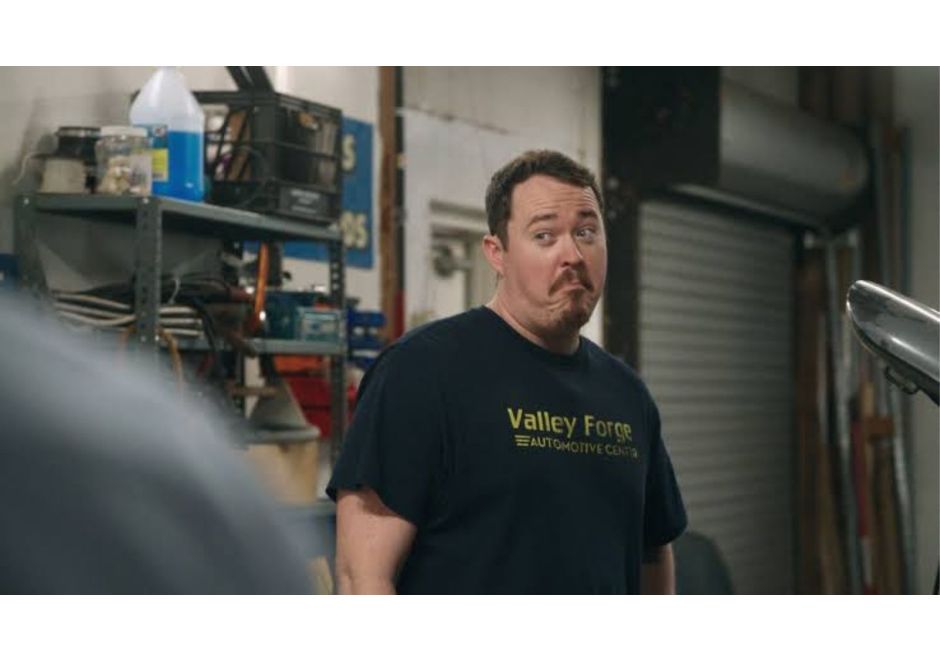
Tires, created by co<a href="https://cinemamix360.com/2026/08/01/a-year-of-building-the-two-careers-behind-lumo-media/” title=”A Year of Building: The Two Careers Behind LUMO Media”>medians Shane Gillis, Steve Gerben, and John McKeever, has been wildly popular with sitcom fans across two seasons, with a third on the way.
The show is about Valley Forge Auto, an auto shop where two cousins work together but are always at odds, and the business feels almost constantly on the verge of collapse because it seems customers are never happy and no actual work is getting done.
Gillis plays Shane, who exists mainly to torment his cousin Will (Gerben). Will is the anxious, unqualified heir to his father’s struggling auto chain, but Shane and his ragtag group of employees make success next to impossible. If you’ve ever worked with family, you know the pain.
Here are five lessons comedy screenwriters can learn from Tires.
1. Pick a Premise That Runs Itself
When you’re pitching an idea, you hope to arrive at a logline that encompasses your story succinctly. Tires has a central conflict you could do as an elevator pitch. Will, the unqualified heir to an auto shop chain, tries to save his dad’s business while his cousin Shane exists to torment him. The familial ties are easy to grasp and come with built-in tension, and the struggle of running a business is relatable.
Every scene of the show runs on this premise and then expands into various workplace misadventures, which is a practically bottomless well (as we’ve seen on shows like The Office or Abbott Elementary). A setup that can generate storylines for a hundred episodes beats a clever one-off, and Tires was built to keep running.
It also came from writing to what they actually had. According to Gerben, the show started as a roughly 10-minute YouTube pilot, and eventually found a home at Netflix.
Before you chase a high concept, ask whether it can still generate story in a hundred episodes. Will and Shane never run out of friction, because the friction is foundational to their personalities.
2. Start Mid-Mess and Keep It Moving
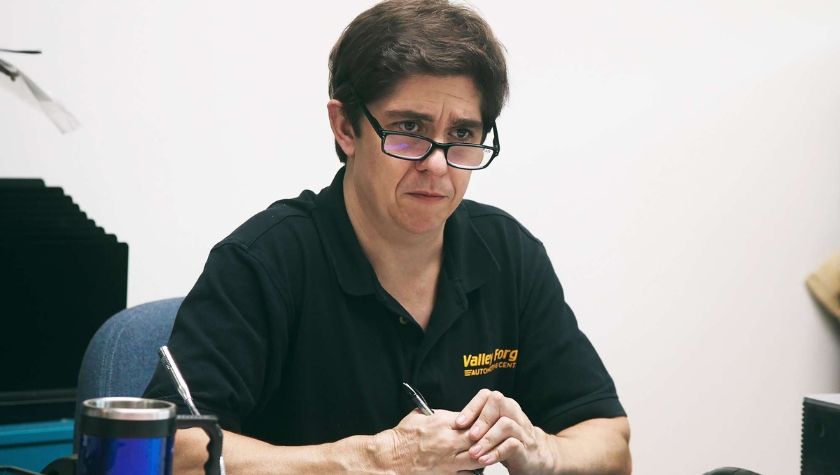
In traditional sitcom fashion, episodes of Tires run about 20 minutes and rarely detour from a simple structure of problem, escalation, and finale.
Compression and simplicity are the hard parts of half-hour comedy. It’s the three-act structure condensed to a cold open and a fast resolution. You can’t really leave much air in your scenes, especially if you’re balancing an A and B story.
So start mid-mess. Because you already have a clear premise, as we already established, you can move fast, as the engine is already understood.
Take the first episode of Season 2. We do get a quick recap to orient the audience in the form of a “speech” Will plans to give to a loan officer. We understand immediately that he wants money to expand the business, but he’s not getting much support from his dad. Meanwhile, Shane buys a gun, and hijinks ensue. A and B story, set up fast, and the rest of the episode just flies by.
3. Make Characters Work for You
Like your premise, you can keep characters simple, too. By simple, we mean understood quickly, and in Tires it works because they’re written big and are easy to understand either from appearance, dialogue, or behavior, all in about five seconds.
Shane is a walking provocation, always saying the politically incorrect thing. Will is anxiety in a polo shirt. Supporting players are just as loud. There’s Stavros Halkias as Dave, lewd and womanizing. Kilah Fox plays Kilah, the auto shop’s lone woman employee and a bit of a trashbag. At the start of Season 2, quiet mechanic Cal (Chris O’Connor) butts heads with Shane and dreams of buying a vintage car.
When your characters have clear, exaggerated wants, you can drop them anywhere. Giving them flaws helps them have legs, too, as there’s room for them to grow. Television is the one format that allows you as a writer ample time to develop characters’ motivations and personalities, sometimes over years. That journey can be so exciting to follow as a viewer.
4. Give Improv a Skeleton
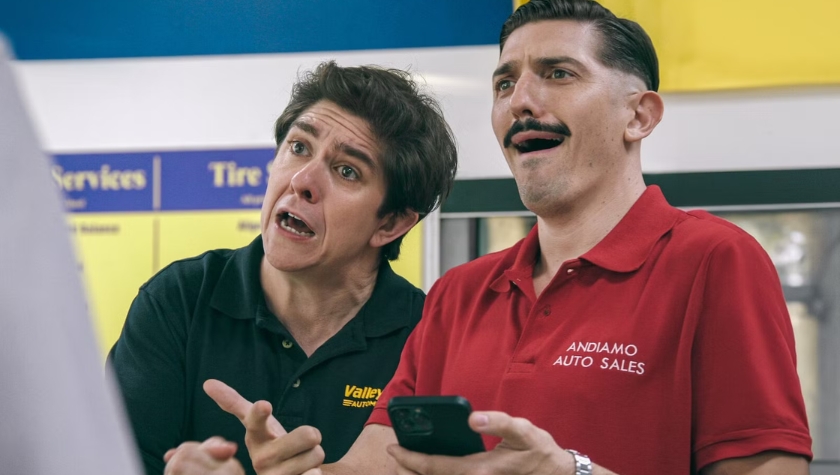
Many in the cast, Gillis included, are working comedians. The showrunners stack the cast with comic friends and leave room to riff, but scenes still resolve on story.
Reviewers like ScreenRant have pointed out how “refreshingly improvised” the show feels, down to small moments where performers break character to laugh. But the performers always start with what’s on the page.
Gillis said on Hot Ones, “We have a script. We have a full script every time. And then we always get the lines that we need to for the story, and then we get to f*** around for as long as we want ’til we’re done.” Steve Gerben confirmed in another interview that the show is “about 80% scripted, 20% improv.”
If you can let your lines be a little loose, you can include what are known as “alts” or “alternate dialogue” in your pages. (Thankfully, Final Draft has an easy Add Alt formatting option for this already built in.) Then, when you get to set, your actors have options and can try them all or continue riffing.
Either way, the elements that make a live room laugh only work when the page sets the destination.
5. Let Heart Slip In
So the characters are big, the stories are punchy and simple, but underneath it all, the series has a heart because of the relationship between its two cousins. Having easy-to-understand characters doesn’t mean a lack of emotional depth. Will is desperately earnest about succeeding as a manager. Another example from Season 2 is when black mold is found in the shop; the usually crass Shane starts worrying about his own mortality. The second season also deepened the family history with guest turns like Academy Award winner Thomas Haden Church as Shane’s wealthy, wacky father.
Stakes can creep in without slowing the jokes, the way ensemble comedy earns its heart over multiple seasons. You don’t have to stop the comedy to get sincere; just give these characters connections and watch how they play off each other.
The third season of Tires premieres on Netflix on August 13, 2026.
