


Writer-director Beth de Araújo, who is on the cover of our latest issue, might not have made her magnificent film Josephine if not for her experience at the American Film Institute. She certainly wouldn’t have made it the same way.
“The American Film Institute gave me a really meaningful foundation for how I approach movies,” de Araújo says. “Three of my collaborators on Josephine are also alumni of the school. Marina Stabile went through the producing program, Anisha Acharya is a graduate of editing, and Ava Berkofsky DPed our reshoots and remains one of my closest friends from my class.”
Maybe you’re wondering whether to go to film school. Seeing breakout young directors like Kane Parsons (Backrooms) and Curry Barker (Obsession) might make you think your best path into the industry today is just to post great films on YouTube. And if you already know how to make great films, you should by all means do that.
But if you’re not getting the traction you want on your own, film school can fill in the gaps in your film education, introduce you to key collaborators, familiarize you with the best and latest equipment, and, maybe most importantly, educate you about what’s already been done, so you can add to the cinematic conversation instead of just repeating things.
Even someone like Barker, widely considered a YouTube success story, did a stint at New York Film Academy, one of the schools on this list.
De Araújo credits her film school with introducing her to many mentors, and career firsts. Her advisor was Michael Urban, screenwriter of Saved!,who she calls “the first person to really help me develop my craft and lean into my perspective.”
Barry Sabbath’s World Cinema class was another favorite — “It exposes you to such a range of incredible cinema.”
And she loved being a teaching assistant to Pieter Jan Brugge in her second year, and taking notes for his classes.
“That alone was worth the tuition,” she recalls. “Listening to him speak for four hours a week on every little detail within scenes, picking apart frames and performances, was its own amazing education that I really cherish.”
She lists the names of many others who helped her, like Gill Dennis (“if you brought in work that did not grab the truth, he would roll his eyes. I kind of loved it”) and Chris Schwartz, who runs the alumni center and helped her find a theater for a test screening of Josephine.
Not every filmmaker will get as much out of film school as de Araújo, who released her first film, 2022’s Soft & Quiet,just a few years out of AFI, and this year won both the drama Grand Jury Prize and Audience Award when Josephine debuted at Sundance.
But many students will. Film school can help you find your guides, your cadre of collaborators, your process, your favorite camera, and first job. It will help you make better films whether you’re releasing them yourself, applying to festivals, building a portfolio to land jobs, or hustling to take all those approaches at once. Film school can teach you the discipline and versatility you’ll need.
Of course we realize how expensive film school can be, and so we’ve made sure to include many low-priced options, and to be as clear as possible about costs and how to offset them. We also aspire to be as apples-to-apples as possible, given the variety of programs presented here.
Because the famously unpredictable film industry feels more unpredictable than ever, we’re especially interested in how film schools are preparing students for the future. So we sought insights from nine of the schools on this list about their strategies for making sure their graduates will thrive in the decades ahead. You can read their perspectives here.
As we say every year, not every school in our list of the Best Film Schools in the U.S. and Canada will be the right choice for everyone, but we believe that no matter who you are, where you’re coming from, or what type of work you want to pursue, at least one of the schools on this list will be the right choice for you.
Also, eagle-eyed readers will note that we have 32 schools on this list, because of ties. Here we go.
AFI Conservatory (Los Angeles)
AFI is one of the best of all film schools, with an alumni list that includes Todd Field, Ari Aster, Patty Jenkins, Terrence Malick and the late David Lynch, as well as Autumn Durald Arkapaw — who won this year’s best cinematography Oscar for her work on Sinners. AFI offers a two-year MFA curriculum with intensive training in six disciplines — cinematography, directing, editing, producing, production design and screenwriting. It promises that each student will make between three and 10 films by graduation. Annual tuition is $75,508, though AFI estimates that the actual cost of attendance is about $108,395 when you factor in living expenses, supplies, and other costs. Aid is available.
Antioch University(Los Angeles)
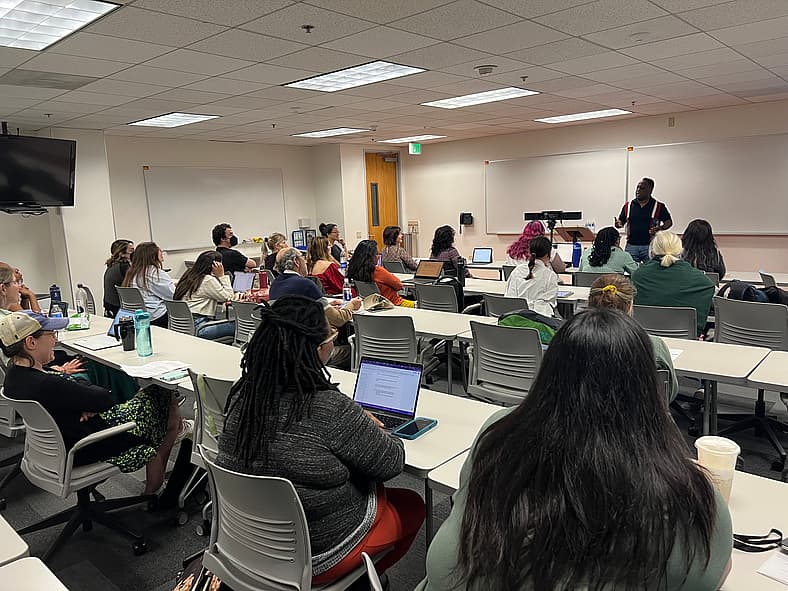
Antioch is focused on screenwriting, though many students make films for their final projects. Under its two-year low-residency MFA program, students work off campus for five-month periods, then gather for 10-day residencies in December and June. There’s a strong emphasis on one-on-one work with established screenwriters, TV writers and playwrights. Winnie Holzman (Wicked) and Jennifer Lee (Frozen) are among recent residency participants. The school’s Living Writers program brings together students and working writers who have recently included writers from The Pittand Shrinking. And Antioch invites alums to keep coming back and attending residencies in perpetuity. The school is also known for community engagement and a strong emphasis on social justice, and the entire cost is $49,000.
Boston University
The alma mater of Josh and Benny Safdie is known for small classes sizes of 12-15 students and a vast alumni network that includes graduates from Howard Stern to Julianne Moore. It connects students with internships in both Boston (a top 10 media market) and Los Angeles, offering opportunities at companies including Disney, Sony, NBCUniversal, Hello Sunshine and more. Undergraduates pursuing a B.S. in Film and TV start off studying film history, theory, writing and production before moving into screenwriting, cinematography, editing, directing, producing or management. Grad students can pursue degrees in TV, screenwriting, film and TV studies, or media ventures. Total four-year undergraduate tuition for the BS in Film & Television is $279,480; graduate tuition and fees for the three-semester MS programs in television or media ventures is $106,527; and graduate tuition and fees for the four-semester MFA in film and TV studies or MFA in screenwriting is $142,036. The program provides financial support for student productions through the College of Communication’s Student Production Fund, which allocates approximately $100,000 annually. Additionally, several donors further support student filmmaking and productions. And financial aid is available.
Brooklyn College Feirstein Graduate School of Cinema
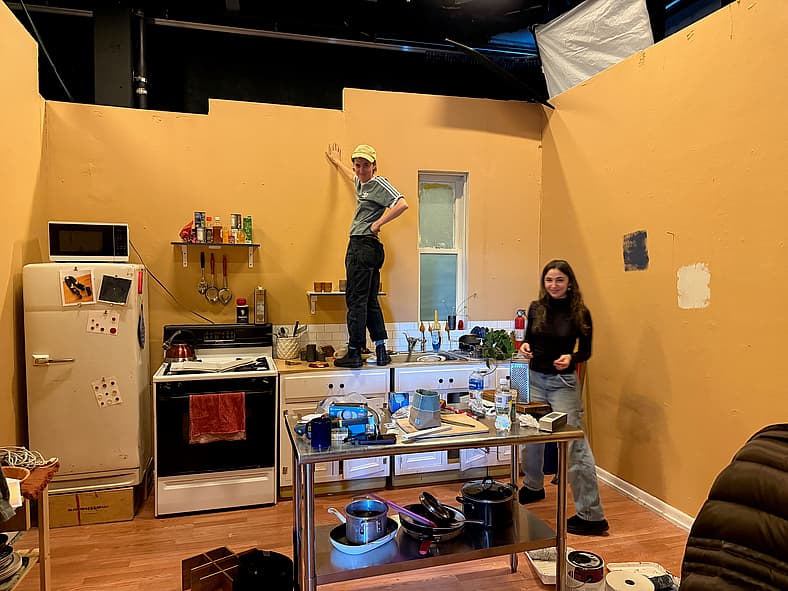
The school is deeply committed to the idea that the best way to learn filmmaking is by making film after film after film. Students can expect to spend lots of time on sets and editing. While the school teaches theory, it stresses the need to apply that theory. Four soundstages are available for production, and students have access to a scene shop for construction and high-quality gear from Alexa and Blackmagic, among others. Faculty include Ed Decter, a writer of There’s Something About Mary and the creator of the TV series Shadowhunters. Networking efforts include collaborations with the Brooklyn Film Festival. Total tuition and fees in this three-year program come to about $50,000 for in-state and $80,000 for out-of-state students. Financial aid is available, and the school offers a creative fund of $2,000 for second-year films.
CalArts (Santa Clarita, California)
Known for independence, creativity, and attentive faculty, CalArts counts Tim Burton, Sofia Coppola, Don Cheadle, Alison Brie, Katey Sagal and the late Paul Reubens among its many alums. Its place in animation legend is also secure: It produced key Pixar filmmakers Pete Docter, John Lasseter, Brad Bird and Andrew Stanton, among others. Students have the opportunity to study abroad at institutions including Beaux Arts Paris and Universität der Künste in Berlin. Tuition is roughly $60,000 annually for undergraduate and graduate students.
Chapman University (Orange, California)
The alma mater of Stranger Thingscreators the Duffer Brothers has enough prestige to regularly draw top-tier guests like Ted Sarandos, Guillermo del Toro, Brad Bird, Ejae, and many more. Students are within commuting distance of Hollywood jobs and internships, and the top-notch facilities include an LED virtual production wall. Dodge is increasingly offering classes on AI innovations, as part of a well-rounded curriculum that emphasizes both new skills and a grounded understanding of Hollywood’s inner workings. The annual tuition is just under $70,000 for undergraduates and just under $68,000 for grad students, but financial aid is available, and students are generally well-funded for their films.
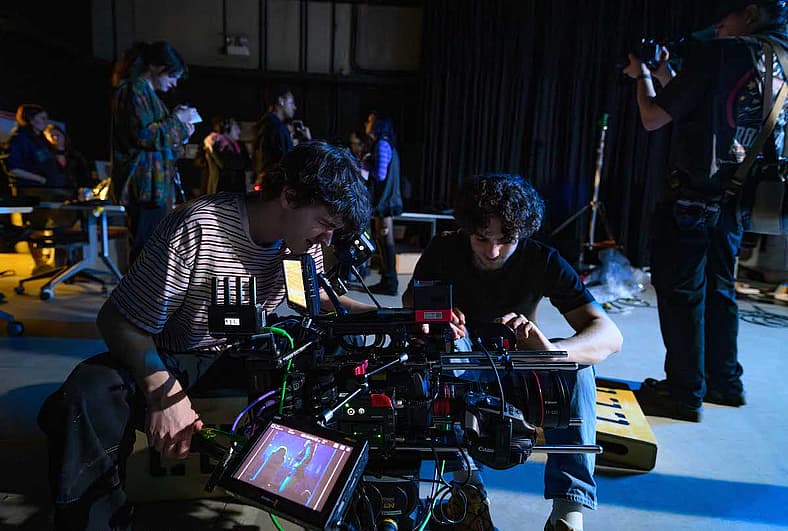
Columbia College Chicago
The school offers flexibility and firsthand experience in one of the most thriving cities for film and TV in these fast-changing times. Recent guests have included Robert Townsend, who spoke to students and welcomed them to his pop-up film festival, and Semester in L.A. participants get to meet industry executives and intern at companies like Paramount, Blumhouse Productions, and Feigco Entertainment. Student organizations abound, including the Columbia Horror Picture Show and Editors Guild of Columbia, and every semester includes a production salon in which students can meet their next collaborators. A SAG-AFTRA rep holds regular office hours, and companies like B&H Camera provide onsite demos. The institution also offers excellent cameras, sound, lighting equipment, dollies and camera support, as well as a Media Production Center with three sound stages totaling 35,500 square feet and a full production shop. The annual cost for undergraduate tuition and fees is $37,344. The entire Screenwriting and Development MA program is $31,228, and the entire MFA program in Film and Television Directing is $86,176. It offers several options for financial assistance for student productions.
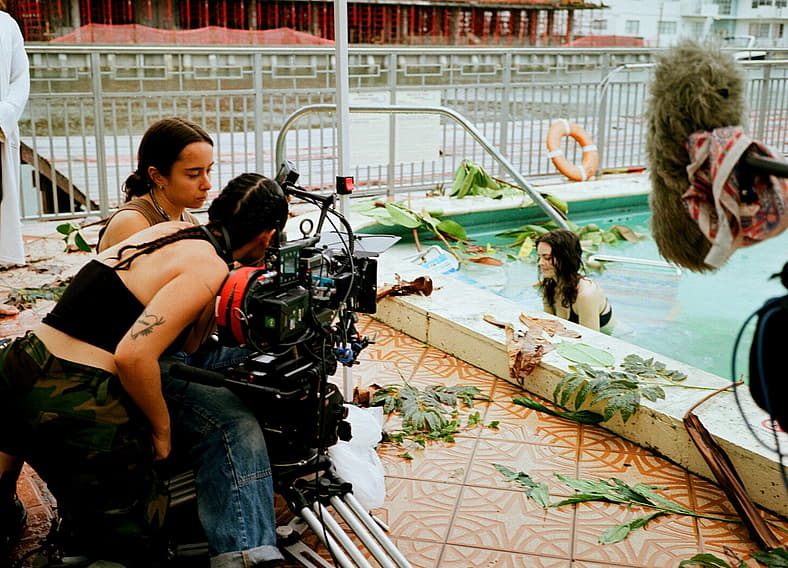
Columbia University(New York City)
Kathryn Bigelow, Jennifer Lee, James Mangold, Nicole Holofcener, Simon Kinberg and Greg Mottola are among the many impressive alums of this world-renowned Ivy, which requires a steady output of creative work informed by a deep understanding of film and TV history, theory and criticism. The Ivy League is rarely associated with thrift, but Columbia goes to great lengths to make its outstanding educational opportunities accessible. For example: Undergraduates pay $86,169 in tuition and fees, but students whose families make under $150,000 can attend tuition-free, and Columbia awards more than $240 million annually in scholarships and grants from all sources. MFA Film students enroll full-time for the first two years, paying $86,169 for tuition, fees and health insurance for each of those years. In the required third year and optional fourth year, they pay $20,301. Roughly 70% of Film MFA students receive scholarship support for the first two years of the program with an average award of $30,000, and several students are awarded fellowships for full tuition. Additionally, many student thesis films receive production grants of up to $20,000 per project, and those that don’t receive a production grant above $10,000 are eligible for $5,000 in finishing funds. A majority of students are employed by the school in film-related jobs after their first year.
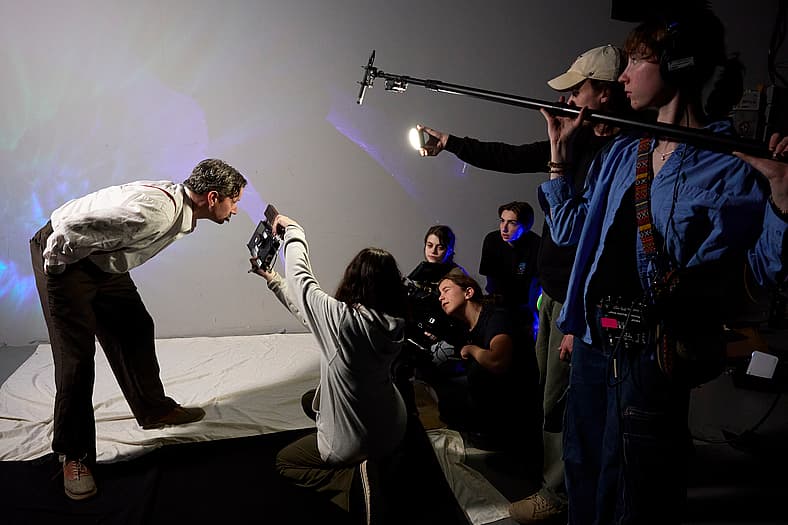
Drexel University(Philadelphia)
Drexel puts such a strong emphasis on production that students get behind the camera on the first day. Their filmmaking education covers every stage of the process, from script, schedule, and budget through editing, color correction, sound design, and music selection. They finish at least six films in four years, and produce an annual episode of the school’s comedy series Off Campus (not to be confused with the one on Prime Video.) Students also go through a rigorous film and TV studies curriculum that traces the mediums from their origins to the latest success stories. They can also take part in Drexel in Los Angeles (DiLA), an intensive summer study-away program in which students pursue a professional internship by day and take classes in the evenings. Annual tuition is $63,078, plus $2,420 in fees, but Drexel offers financial support to 99% of its incoming first-year students. The school says the average aid awarded to first-year, full-time undergraduates entering in fall 2025 was $40,814.
Emerson College(Boston)
Emerson may have the funniest alums: They include Jennifer Coolidge, Bill Burr and Iliza Shlesinger, as well as the Oscar-winning directing duo The Daniels. The School of Film, Television, and Media Arts has more than 1,700 undergraduate and graduate students, who benefit from both the downtown Boston campus, in the midst of the city’s strong theater scene, and from participation in Emerson Los Angeles, which includes more than 200 students each semester. Emerson is the special kind of school that fosters boundless creativity but also the discipline to get projects done. For example: When Hollywood studios were too slow to greenlight scripts after the strikes, Emerson alum Danny Madden greenlit himself and enlisted friends like fellow Emersonian Benjamin Wiessner to shoot the very scrappy Downbeat on the streets of Boston near the Emerson campus. Madden filmed it himself on a used $900 Sony Handycam. The fantastic film, which draws on Madden’s days as a bucket drummer, premiered this year at SXSW. Undergraduate tuition is $59,328, and graduate tuition is $1,551 per credit. Financial help is available.
Fairleigh Dickinson University(Madison, New Jersey)
Centered in the New Jersey/New York City production hub — which is growing with new studios and the generous New Jersey Film and Digital Media Tax Credit Program — FDU embraces its location not just for film shoots, but for vast networking opportunities. Students go through the program as a cohort so they build strong connections, and they start using cameras and production equipment in their first term so that they’ll have plenty of work to show when they seek jobs in the industry. The school offers opportunities to take courses in the Silberman College of Business, and offers a minor in Entertainment Business and Management, so that students will also understand the business of filmmaking. The equipment is terrific, thanks in part to a partnership with Panavision, which counts an FDU alum among top executives. Undergraduate tuition is typically $38,600 annually.
Full Sail University (Winter Park, Florida)
Full Sail graduates have recently worked on projects from Wicked to The Bear to The Substance, a testament to the school’s reputation for a strong, results-based work ethic and embrace of new technologies. Full Sail recently added the Spatial Computing Innovation Lab, dedicated to video and spatial computing technologies like the Apple Vision Pro, as well as the Drone Innovation Center, where students can learn the latest in drone filmmaking. Alums include Saw saga veteran Darren Lynn Bousman, and the school’s strong music programs mean you’re likely to find many potential collaborators to score your films. Full Sail offers accelerated bachelor’s programs designed to get you a degree within three years, and the film program costs $88,000 total.
Loyola Marymount University (Los Angeles)
LMU’s School of Film & Television wants students to have a truly immersive education: It has established a dedicated SFTV residence floor where 50 incoming first-year students connect over their shared interest in film, TV and media. The faculty includes Emmy and Golden Globe-winning producer and former President of the Academy of Motion Picture Arts and Sciences Janet Yang, who is also a founder of the Creators Coalition on A.I. Recent guests who have spoken with LMU students include Paul Thomas Anderson, Chloé Zhao, Jon M. Chu, Todd Phillips, Damon Lindelof, Reggie Hudlin, Vince Gilligan, Cord Jefferson, James Wong, Phil Lord, and the writing duo Larry Karaszewski and Scott Alexander. SFTV also recently purchased over $1.2 million dollars of new equipment, including 40 new state-of-the-art cameras, five of which are Sony Venice 2’s. SFTV also recently purchased 17 new reference monitors. Additionally, the school’s Mayer Theater is undergoing a comprehensive multi-phase renovation project that includes the installation of a state-of-the-art Christie 4K laser projector, new lighting, flooring and seating, an upgraded stage, and even a revamped ceiling to accommodate Dolby Atmos spatial audio equipment. Undergraduate tuition is $65,367 per year, and graduate tuition is $1,719 per unit. Help is available from a wide range of programs and private donors.
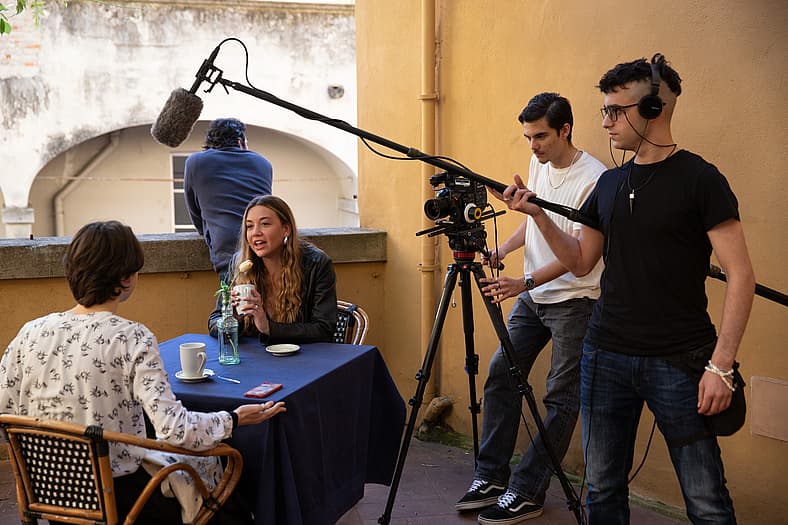
New York Film Academy(Several Locations)
With campuses in New York, Los Angeles and Florence — and locations in Kazakhstan, Paris, Beijing, and Cambridge, Massachusetts — NYFA offers students a vast range of options, ranging from short-term workshops to MFA programs. All follow the same efficient, hands-on approach. Long-term programs follow an accelerated format with three semesters per year, so students can earn a bachelor’s degree in three years or less, and an MFA in two years or less. Faculty include Emmy-winning and Oscar-nominated editor and director Bob Eisenhardt, and alums include Bill Hader, Issa Rae, Mohamed Diab, Aubrey Plaza, Manuel Garcia-Rulfo and Eve Hewson. Among recent guests are Diab, Pam Abdy, Adam Driver, Matthew Modine, LeVar Burton, Carey Mulligan, Elizabeth Olsen, Kevin Nealon, Emmy Rossum, and many more. From their first day, students start off using cameras from the Sony CineAlta line, and will eventually utilize the ARRI SR and ARRI 535B cameras. Students also have access to top-tier soundstages, and Los Angeles students also have access to the famed Universal Studios backlot. Certificate programs range from $37,735 to $115,861, depending on type and duration. AFA programs range from $76,217 to $115,861; the BA program is $133,862; BFA programs range from $90,100 to $181,850; MA programs range from $30,100 to $56,808; amd MFA programs range from $86,907 to $144,890. NYFA offers an array of need-based, merit-based, and talent-based scholarships.
New York University(New York City)
NYU’s track record is among the best: Since the film school’s establishment in 1965, it has graduated such directors as Martin Scorsese, Sean Baker, Spike Lee, Chloé Zhao, Joel Coen, Vince Gilligan and many, many more, as well as editors like Sally Menke and cinematographers including Rachel Morrison. There’s a strong emphasis on doing: Students, faculty and staff turn out 5,000 films a year. The learning experience is built around mentorship. Zhao, for example, studied under Lee, who is on the faculty, and credits him with a no-sugarcoating approach: “Spike will just tell you as it is and I really needed that,” she once told USA Today. Scorsese’s legacy is also strong: The Institute of Global Cinematic Arts, which bears his name, also includes the Martin Scorsese Department of Cinema Studies and Martin Scorsese Virtual Production Center. Undergraduate tuition is just over $72,000 per year, graduate student tuition is typically $82,902, and the MA in Cinema Studies tuition totals $88,525. Many forms of financial aid are available, and NYU promises that any first-year student admitted to the New York campus will have “100% of their demonstrated need met through a combination of scholarships and grants.” Additionally, families with income of less than $100,000, and who hold typical assets, pay no tuition.
Oklahoma City Community College(Oklahoma City, Oklahoma)
One of the most affordable options to learn filmmaking, OCCC charges just $135.29 per credit hour in tuition for Oklahoma residents and $326.99 per credit hour for out-of-state students. That means an AA degree can be yours in two years for about $8,659 if you’re an Oklahoman and $20,927 if you’re not. The school also offers intensives on subjects including set construction, scenery painting and grip and electric. All might be a good investment considering Oklahoma’s strong and growing film scene — both Oklahoma City and Tulsa are on our latest list of the Best Places to Live and Work as a Moviemaker, and have a lower-than-average cost of living. The school’s Digital Cinema Production program was created by the late, great Gray Frederickson, a producer whose credits include The Godfather. New initiatives include a partnership with the highly regarded DeadCenter Film Festival. It’s not surprising that OCCC draws filmmakers from all over the world, including Kenya, Switzerland, China, Nepal, and Italy. They enjoy access to facilities that include a 6,000-square-foot sound studio, as well as top cameras and other equipment.
Santa Monica College (Santa Monica, California)
We couldn’t agree more with Salvador Carrasco, head of SMC’s film production program, who leads with the principle that no student should be denied an opportunity because of socioeconomic background. SMC walks the walk by charging just $46 per unit for California residents. (Non-resident pay between $398 and $416 per unit.) The campus is located near the heart of the industry, and SMC boasts an impressive record of transfers to nearby UCLA. The school offers two-year film studies and film production programs, and filmmaking students can expect hands-on experience in directing, editing, cinematography, and audio.
Savannah College of Art and Design (Savannah, Georgia)
In addition to the main campus in Savannah, SCAD also has campuses in Atlanta, and the historic village of Lacoste, France. SCAD looks toward the future with a strong emphasis on virtual production, training students in real-time workflows, LED volume stage operation, Unreal Engine environments, digital asset integration, and collaborative pipeline practices. Students apply their knowledge on a professional 11-acre backlot, two LED volumes, and soundstages, and SCAD is constantly iterating: This fall it will open the only purpose-built professional soundstages in Savannah, connected by a 12 x 12 elephant door, totaling nearly 9,000 square feet, as well as an adjoining classroom building. The equipment is top-tier, including an array of advanced ARRI, RED and Panavision cameras, and all SCAD editing students are trained on state-of-the-art Mac tabletop computers with AVID. Students also have the opportunity to learn from A-listers like Amy Adams, Mikey Madison, Adrien Brody, Spike Lee, and Dakota Fanning, all of whom have recently attended the school’s annual SCAD Savannah Film Festival, one of several fests that SCAD hosts throughout the year. And students gain professional experience through the Professional Production Placement Program, which puts students on the sets of major film productions as part of their coursework. The hit Weaponsis among the major projects to include SCAD students. Undergraduate tuition is $42,975 annually, and graduate tuition is $43,965 annually. Lots of financial help is available, including donor-funded scholarships.
Southern Oregon University (Ashland, Oregon)
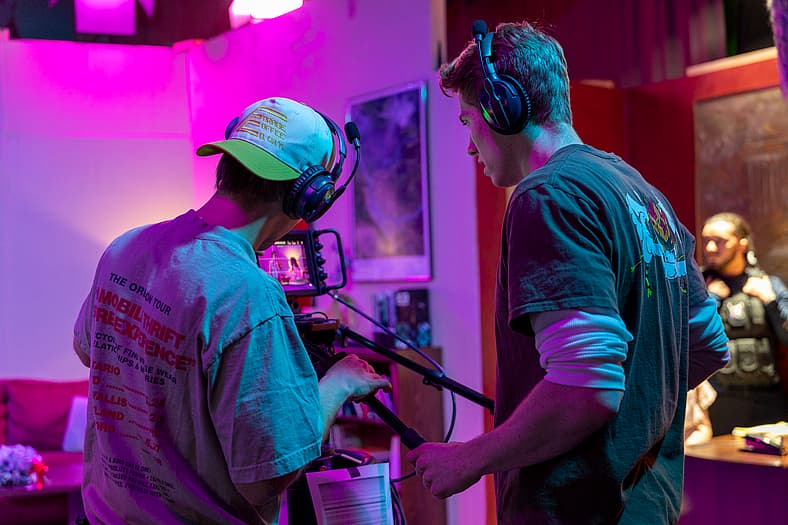
SOU takes a well-organized approach to hands-on learning and building a professional portfolio. All students begin in the BA/BS pathway, and all accepted at SOU are also welcome in the Digital Cinema major. Students must apply for the BFA pathway. In the BA/BS pathway, 60% of required (non-elective) classes provide hands-on filmmaking experience — as do about 90% of required (non-elective) classes in the MFA program. First year students have immediate access to mirrorless 4K APS-C cameras and field sound equipment; and advanced cinema students have exclusive access to multi-track field mixes, Rode boom kits, Canon digital cinema cameras, and advanced grip/gaff gear. Digital Cinema majors also get access to the Digital Media Center, an 8,500-square-foot teaching and production facility with 20 multimedia workstations, an 8×10 purpose-built sound booth, support spaces for prep, and a state-of-the-art 1,000-square-foot TV production studio/soundstage. SOU’s spirit of innovation goes beyond the classroom: It was an early member of the Green Film School Alliance, a coalition of film programs committed to green production practices. In-state tuition is $15,876 per year, but those in the Western Undergraduate Exchange (WUE) pay $21,222/year. Residents of Alaska, Arizona, California, Colorado, Hawaii, Idaho, Montana, Nevada, New Mexico, North Dakota, South Dakota, Utah, Washington, and Wyoming are eligible. Non-WUE out-of-state students pay $35,892 a year.
Syracuse University (Syracuse, New York)
Syracuse is known for two outstanding schools, the College of Visual and Performing Arts and the S.I. Newhouse School of Public Communications. VPA’s Film and Media Arts department offers a four-year Film and Media Arts program that emphasizes collaboration across disciplines, innovation, and critical understanding of new and emerging technologies. Newhouse focuses on adapting to a rapidly evolving industry, and teaches students to tell stories that are both compelling and relevant. Both programs provide the opportunity to work and study in Los Angeles. Syracuse also boasts a wide, close-knit alumni network, and graduates have gone on to DreamWorks, Pixar, Sony Pictures, and — brace yourself — owning MovieMaker. Undergraduate tuition is typically $68,180 for undergraduates and $37,548 for graduates. Financial aid is available.
Temple University(Philadelphia)
Temple’s School of Theater, Film and Media Arts is known for practicality. In addition to hands-on courses with state of the art equipment, the curriculum covers major theories of image making and new technology, ensuring that students understand the social, political, and economic forces that shape media arts and the culture at large. That translates to a better understanding of both creativity and the marketplace. Temple’s many esteemed alums include Oscar winner Da’Vine Joy Randoplh, Tim Heidecker, Chinonye Chukwu, and Diplo. Recent guests have included Boots Riley, whose filmI Love Boosters was featured in our previous issue, and M. Night Shyamalan. Undergraduate tuition is $20,616 per year in-state and $35,712 per year out of state.
Toronto Film School
TFS prides itself on a boots-on-the ground, no-sugarcoating approach to filmmaking that incubates careers. The Film and TV Production diploma program covers the creative, technical, and business of film and TV, and does it in just 18 months. The program provides access to top equipment at a downtown studio campus, and guidance from working, in-demand filmmakers. Its president, Andrew Barnsley, is an Emmy and Golden Globe-winning producer whose credits include Schitt’s Creek.Students can also expect to build strong industry relationships, buttressed by the fact that Toronto is the No. 1 big city on our latest list of the Best Places to Live and Work as a Moviemaker. The school is also an official partner of the Toronto International Film Festival, one of the most prestigious festivals on earth, which gives students and alumni access to TIFF programs and events. The TFS experience also includes completing a demo reel, the use of industry-grade equipment, and the chance to show films at an annual screening at the TIFF Lightbox theatre. The total fee for the Film and TV Production Diploma program is $40,510 CAD (about $29,000 USD) for Canadian, Mexican, and American students. International students pay $66,154 CAD. Aid is available, and there are bursaries available, including for students of Indigenous ancestry and from the United Nations’ list of Least Developed Countries.
University of California, Los Angeles
One of the world’s great universities, and an especially excellent value for Californians, UCLA cultivates filmmakers of all backgrounds and stages of life through undergraduate, graduate and Professional Programs. Its prestigious Department of Film, Television & Digital Media undergraduate program accepts a small number of students each year, and they enjoy a one-to-three faculty-to-student ratio as they spend their first two years building a solid foundation of historical, critical, and theoretical studies. In their junior year they take on intense production training, and they choose a concentration in their senior year. The experience culminates in a professional internship and creative project. UCLA also offers MFAs in animation, documentary and narrative production/directing, cinematography, and screenwriting, as well as an MFA in its Producers Program. UCLA’s acclaimed School of Theater, Film & Television’s Professional Programs, meanwhile, offer graduate-level, yearlong, non-degree programs in disciplines including producing, screenwriting, writing for television, and directing. Undergraduate fees are $16,706 annually for Californians, and an additional $39,270 for out of state. MFA annual fees are typically $21,115 for in-state and $36,297 for out-of-state. Costs vary for Professional Programs.
University of Central Arkansas(Conway, Arkansas)
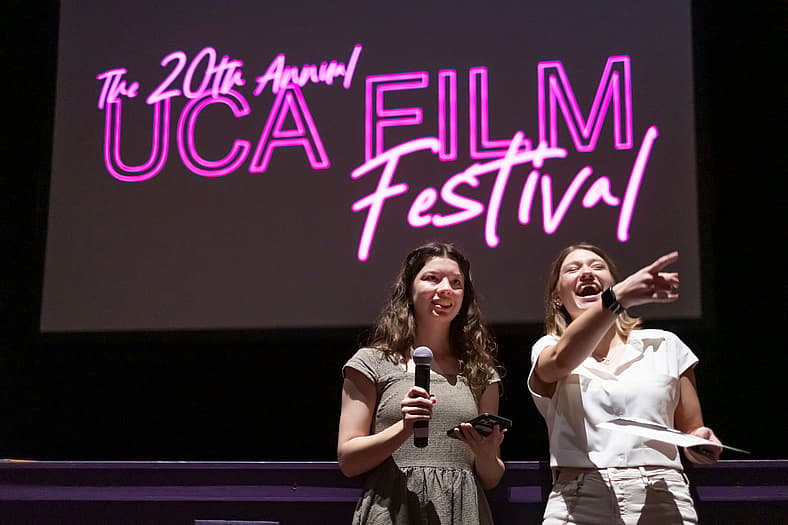
When we travel each year to the El Dorado Film Festival, we’re always impressed by the films from UCA students and professors alike: The faculty’s Mark Thiedeman won the festival’s Best Arkansas Made Short for the transfixing “JJ,” and the student films are often strikingly daring and well-made. A new addition to our list, UCA’s Department of Film, Theatre, and Creative Writing offers a BA program focused on production, and a three-year MFA program oriented toward writers-directors that emphasizes technical skills and film studies. Both programs offer top-notch equipment, including an array of Blackmagic, Sony and Canon cameras, and 24/7 access to facilities that include a 1,600-square-foot production studio with a lighting grid, DMX System, and green-screen cyclorama backdrop. The school’s Visiting Artists Program has welcomed such filmmakers as Werner Herzog, Todd Solondz, Ramin Bahrani, Mark Duplass, Jeff Nichols, and Kevin Willmott. Tuition is among the lowest on this list: The total program cost is $43,760 for in-state and $74,984 for out-of-state undergraduates. The MFA program is $22,000 for in-state and $37,692 for out of state.
University of Colorado Denver
CU Denver’s Department of Film & Television gives students a solid foundation by teaching them every aspect of production, including scriptwriting, editing, digital effects, and TV studio production. The school connects students far beyond Colorado through its Hollywood Internship Program and Bollywood Connections Study Abroad, among other programs, and students can screen their work as the bi-annual student film festival, Cinefest.Prominent faculty include Eric Jewett, whose credits include Basic Instinctand True Detective, and recent guests have included Rian Johnson, Joe Dante and Lilly Wachowski. Among the alums are Malakye Zaayin Tsosie, a filmmaker from the Navajo Nation who is focused on the lives of Navajo people. His work has appeared on AMC+ and at festivals including SXSW and DOC NYC. His short film “Listen,” about a radio station that uses the Navajo language almost exclusively, was a standout at the recent Ouray International Film Festival. In-state undergraduate tuition and fees are $12,573 annually; out of state is $31,917. In-state graduate tuition and fees are $10,568 annually; out of state is $20,984. Many students qualify for scholarships.
University of Michigan(Ann Arbor, Michigan)
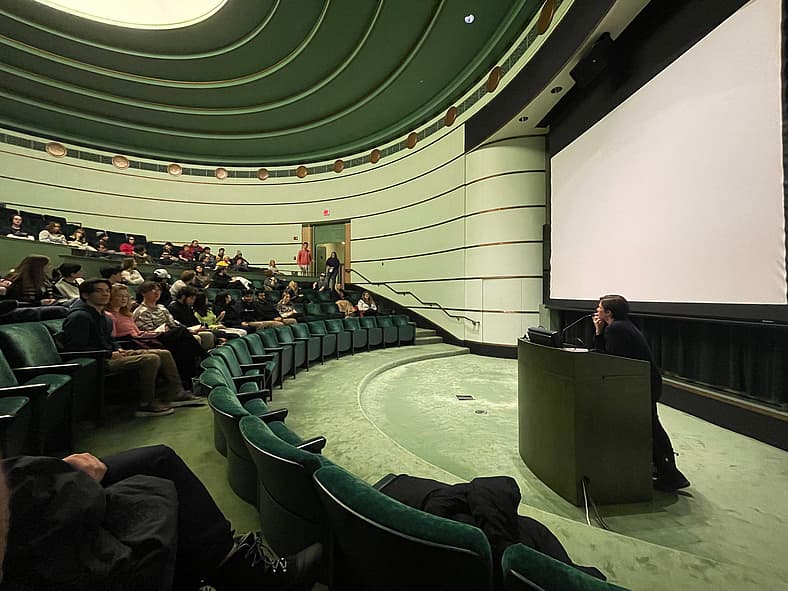
The Department of Film, Television, and Media stresses both critical thinking and creative expression in the classic liberal arts tradition. It is especially strong on writing, as you’d expect from the alma mater of Arthur Miller and Lawrence Kasdan. There’s a strong emphasis on one-on-one interactions with visiting faculty and guest artists, both in larger classes and workshops. Students can participate in industry internships in Los Angeles that include a summer speaking series at United Talent Agency, and can also look forward to help from an alumni network known as the Michigan Mafia. The school sets up many opportunities to make personal connections with notable alums. Top-notch facilities include three studios, one of which is home to the student-run WOLV TV. The screenwriting faculty includes four working writers, among them Spies in Disguise co-writer Cindy Davis, and the production faculty includes Emily Jade Foley, executive producer of the Oscar-nominated Women Talking. Recent visitors have included John Cameron Mitchell and Bill Lawrence. Additionally, FTVM writers win up to $50,000 annually in contests whose sponsors include alums like Kasdan, UTA founding partner Peter Benedek, and Simpsons writer Deb Lacusta. In-state undergraduate tuition ranges from $38,546 to $40,850 for in-state and $84,164 to $88,646 for out-of-state students. Michigan residents whose family income is $75,000 or less, with similar assets, qualify for four years of free tuition.
University of New Mexico (Albuquerque, New Mexico)
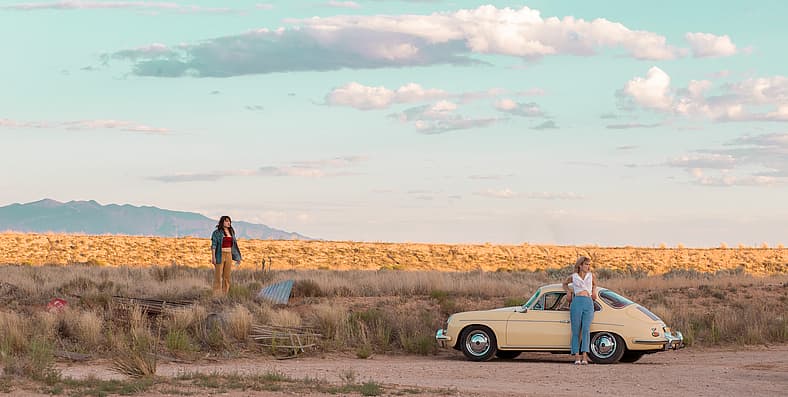
Associate professor James D. Stone, UNM’s Film and Digital Arts department chair, notes that “our students enjoy a rigorous and well-equipped education at a fraction of the cost required by other institutions.” The school is well-situated to take advantage of New Mexico’s steadily growing film and TV industry: Both Albuquerque and nearby Santa Fe make strong showings year after year on our list of the Best Places to Live and Work as a Moviemaker, in part because of Netflix Studios Albuquerque. Stone notes that “students find they can build a formidable professional network and gain onset experience with a variety of Netflix and independent productions.” The state’s Film Crew Advancement Program incentivizes productions to hire locals. The program, which teaches film and TV, game development, animation, writing and research, radically revised its curriculum in 2018 to shift the emphasis from history, criticism and theory to focus more on production skills. The school’s programs are hands-on, team-based, and very focused on student needs, which has helped make Film and Digital Arts the fastest-growing program at UNM. Starting this fall, the program will have two dedicated sound stages and have access to a third. In-state tuition and fees for four years at UNM totals just $45,820, while out of state totals $138,414. Many awards and scholarships are available.
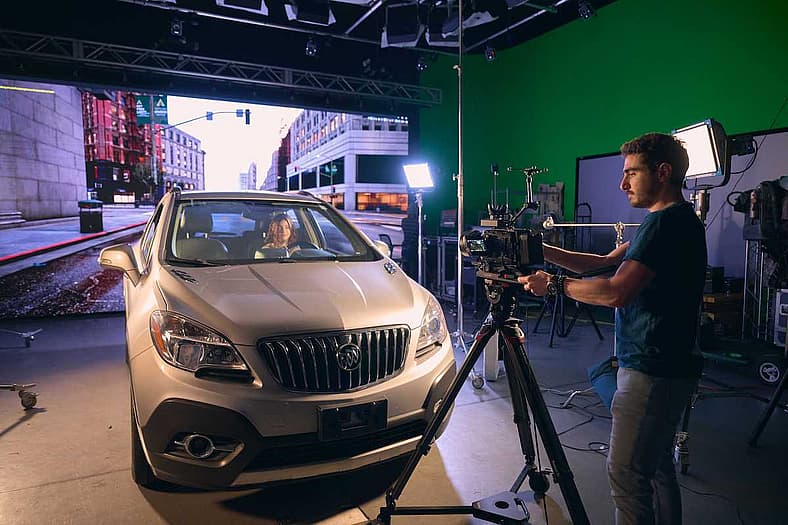
University of North Carolina School of the Arts (Winston-Salem, North Carolina)
“Technology changes. Storytelling does not,” says Deborah LaVine, dean of UNCSA’s School of Filmmaking. When we asked her how the school is preparing students for the future, she noted: “Our responsibility as a film school is not to train students for a specific tool. It is to help them find their voice and master the fundamentals so they are prepared for whatever new technologies emerge. Rather than trying to predict every disruption, we focus on what endures: story, critical thought, analysis, collaboration and the confidence to adapt.” That confidence and adaptability is obvious in the works of UNCSA graduates like longtime collaborators Danny McBride, David Gordon Green, Craig Zobel and Jeff Nichols. Students can focus on several disciplines — including writing, directing, producing, editing, production design and cinematography — but UNCSA makes sure that it all serves the story. The school supports all students from their first day with top resources and equipment, and promises an equitable approach to student project funding and screening. The facilities include three soundstages, the largest of which is 8,000 square feet, and a 3,600 square foot 60x60x60 cube space for media and emerging technology including VR/AR and LED work. The school also has one of the largest film archives in the country, the Moving Image Archives. The tuition is among the most affordable of all top institutions: undergraduate in-state is $6,497, out of state is $24,231, graduate in-state is $9,696, and graduate out of state is $24,399. The School of Filmmaking supports students with merit and need based scholarships, and UNCSA is an inaugural partner in the Posse Arts program, supported by the Miranda Family Fund, which identifies, supports and provides full scholarships for talented students from underrepresented backgrounds. It recently received a $2.28 million grant to expand the program, and presently has five Posse Scholars enrolled.
University of Southern California(Los Angeles)
The oldest film school may still be the best. Its alums include directors George Lucas, Ron Howard, and Ryan Coogler, whose film Sinnersbroke the record this year for the most Oscar nominations ever, with 16. Coogler took home the award for Best Original Screenplay, one of four Oscars the film received. Coogler’s career also reflects the importance of making connections in film school. He met many of the people on his core team at USC, including Oscar-winning composer Ludwig Göransson and producer Sev Ohanian, who founded Proximity Media with Coogler and his wife and producing partner Zinzi Coogler. The top-tier facilities include a new LED wall at the Robert Zemeckis Center, named for another famous alum. And the Peter Stark Producing Program offers an innovative, two-year, full-time graduate course that takes students through the entire process of bringing projects to the screen. USC tuition averages $75,384 annually for undergraduates, and the graduate tuition cost for the School of Cinematic Arts is $2,624 per unit. Aid is available.
University of Texas at Austin
Robert Rodriguez, Matthew McConaughey and Glen Powell are among the alums in this industry-heavy town — one of our Best Places to Live and Work as a Moviemaker — that is home not only to festivals like SXSW and the Austin Film Festival, but also the stunning Austin Studios, which is run by the Richard Linklater-founded Austin Film Society. This is a campus, in other words, where a film obsessive will be very happy. The Radio-Television-Film program balances a deep appreciation for film history and theory with disciplined production experience to help students understand every aspect of making films, TV shows and games, from writing to producing to lighting to editing. Students can also spend a semester in New York City or L.A. The stellar faculty includes professor Ya’Ke Smith, a very active filmmaker whose recent autobiographical short “The Ohio, Texas Remix” wowed festival circuit audiences. McConaughey serves as a professor of practice. All of the film equipment has been recently updated. Tuition varies widely, but is especially affordable for Texas students, thanks to the Longhorn Fixed Tuition program that sets it at a fixed rate for four consecutive years. Financial aid is available.
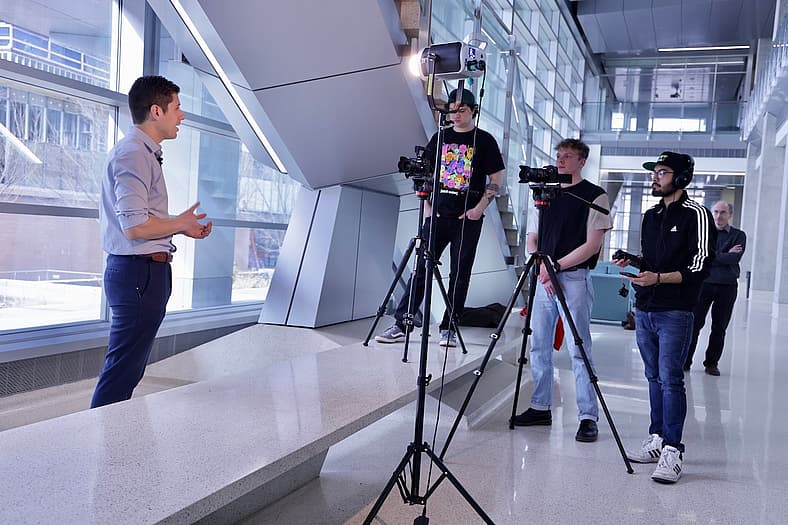
University of Wisconsin-Milwaukee
The school’s Department of Film, Video, Animation & New Genres stands out for its blend of practical training and support for creative thinking and experimentation. For senior projects courses, students are taken through the entire process of creating a short film, from ideation to post-production. The school notes that it isn’t just offering a technical degree, but rather an immersive embrace of the filmmaking process that emphasizes finding your personal voice and passion. It is a rising force in animation, and faculty includes Owen Klatte, a veteran of The Nightmare Before Christmas and Anomalisa. The school also has a close relationship with Milwaukee Film, host of the annual Milwaukee Film Festival, which gives students opportunities to work in technical projection, theater management, programming and curation, public relations and social media. And local production companies draw on the school’s talent pool. Undergrad in-state is $11,768 annually, and ranges from $16,034 to $24,368 for out-of-state students; Midwestern and Minnesota students pay less. Graduate in-state tuition is $13,659 annually, and $19,210 to 27,090 for out-of-state students. Financial aid is asvailable, including several scholarships.
Vancouver Film School
If you want to get into the industry quickly, VFS is one of the best options for you: It offers 12-month intensives taught by working industry professionals, in a city that has been luring Hollywood productions up the Pacific Coast for decades. VFS prides itself on being first and foremost a hands-on, production-based school where students learn by creating, so they can stack up calling cards to get jobs. The school’s recent collaborations included an ad with Ryan Reynold’s company Maximum Effort, and with the Vancouver Canucks for the team’s in-arena cinematic videos. The lessons are complicated and deadlines are tight — just like in the real world — and there is plenty of collaboration between the film, acting, makeup, sound design, and writing departments. The state-of-the-art facilities include a 64,000-cubic foot performance and motion capture Volume, and the school just added a seventh editing suite. Among the alums are The Grinch co-director Scott Mosier. Tuition is CAD $36,950 or CAD $54,000 (which is about $39,000 in U.S. dollars) and many scholarships are available.
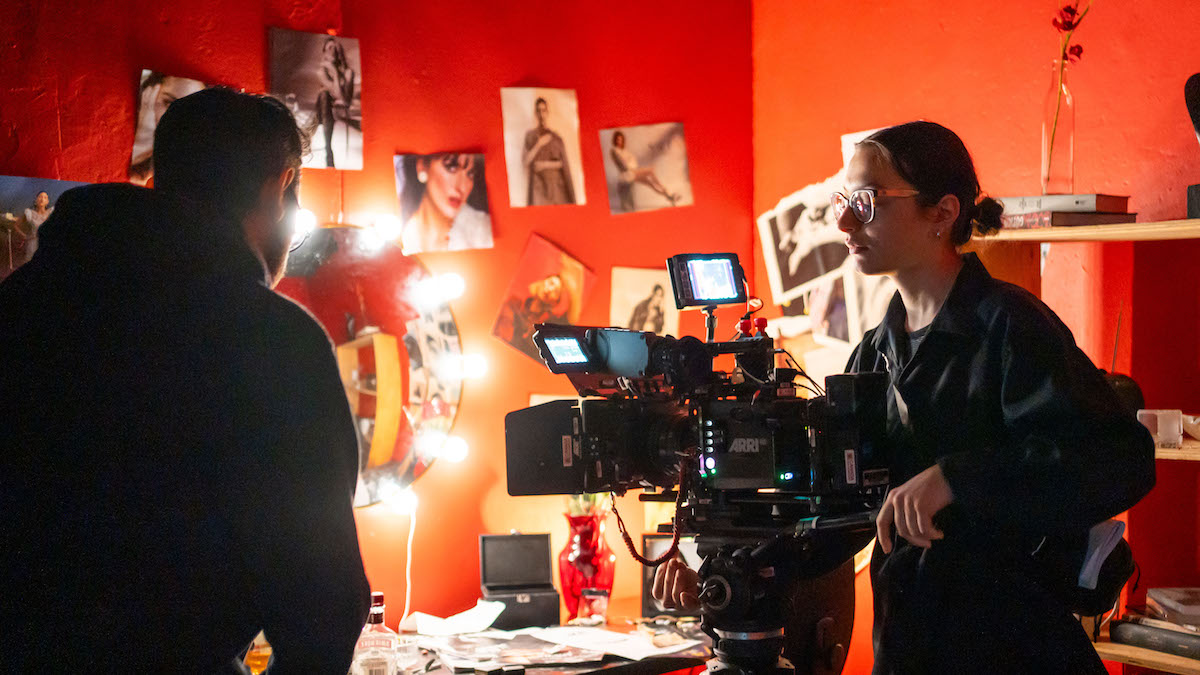
Main image: Toronto Film School graduate Camille Salar on set during a class production.
All photos courtesy of the schools.
Editor’s Note: Updates link.
Mentioned This Article:best film schools
