


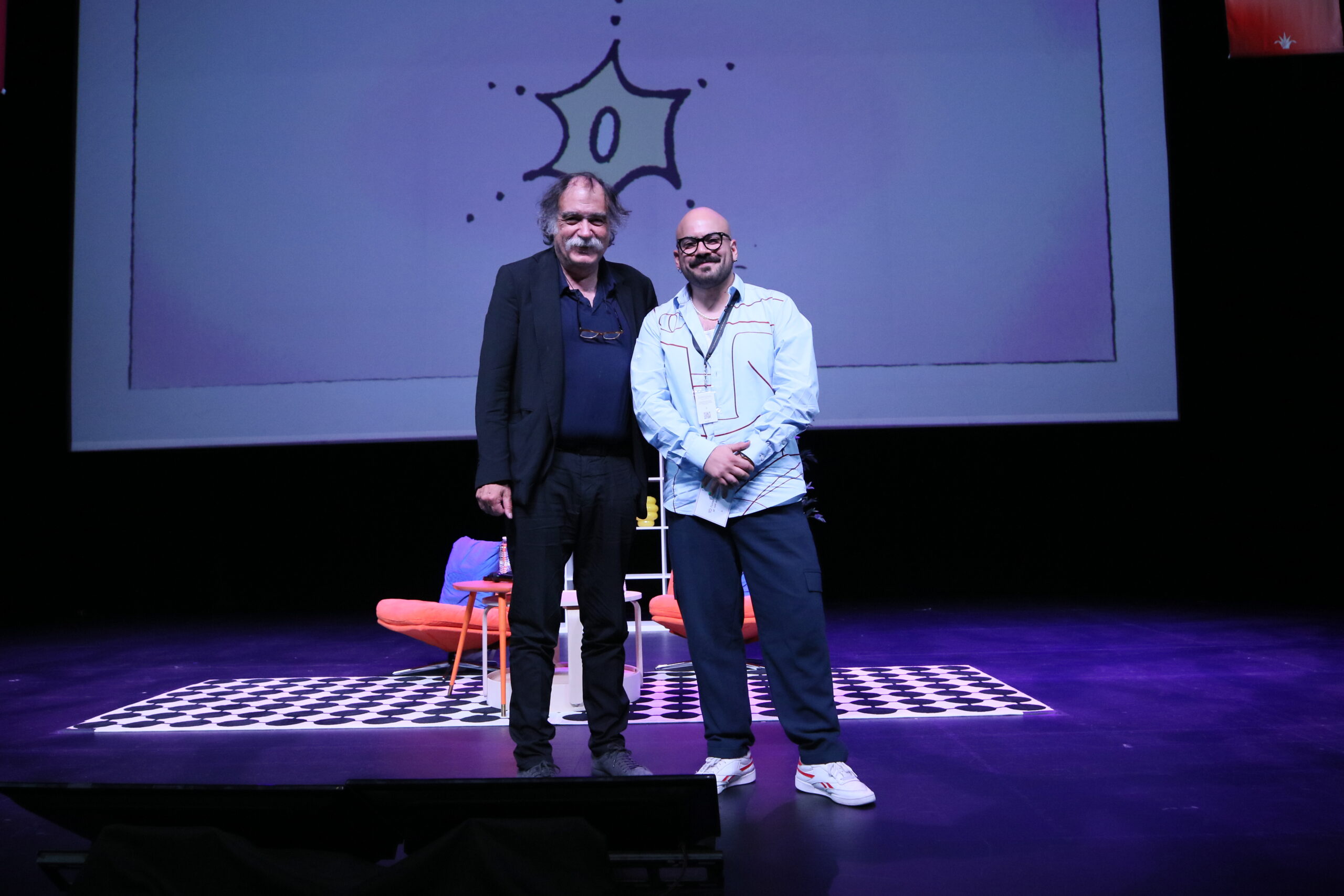
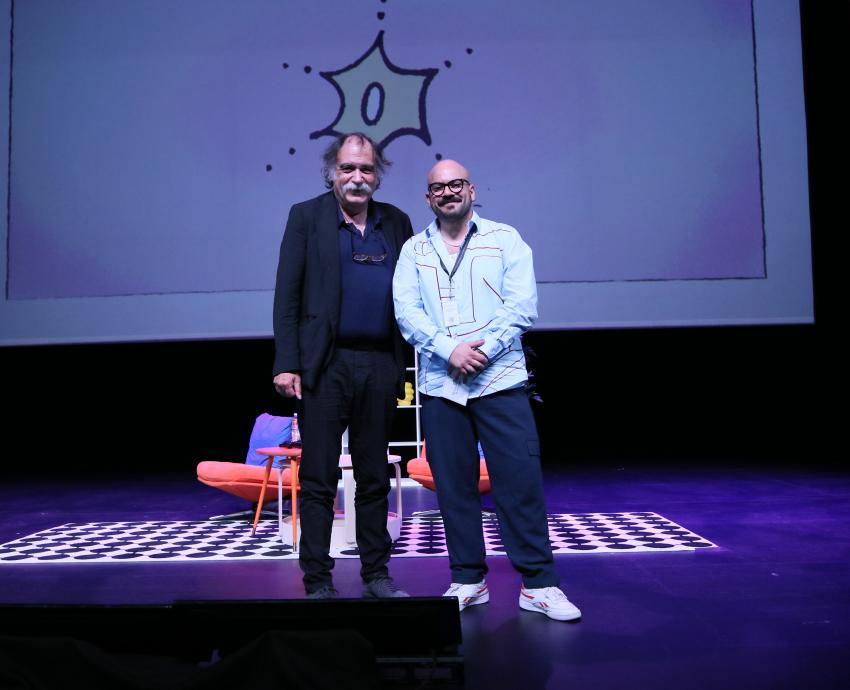
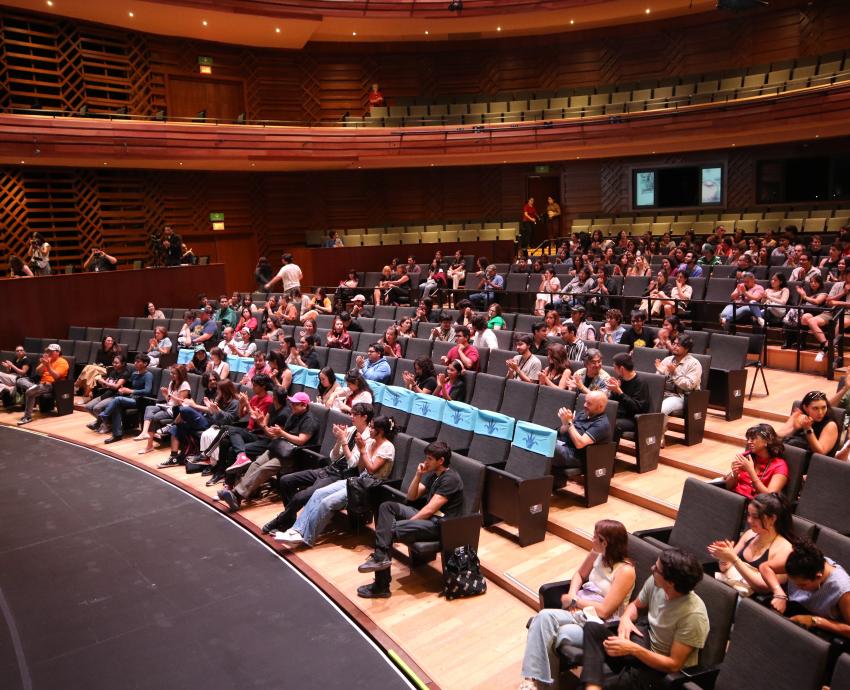
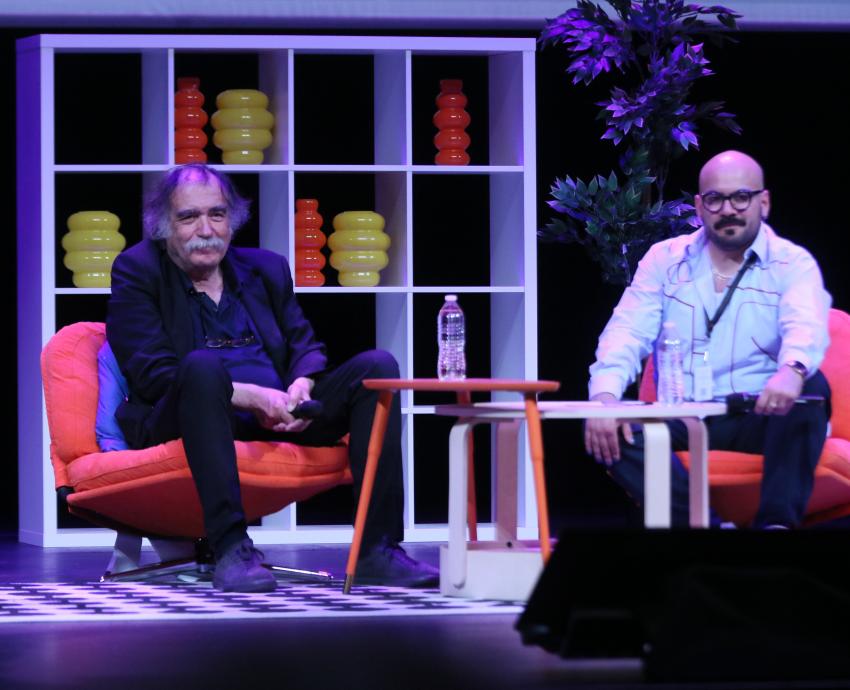
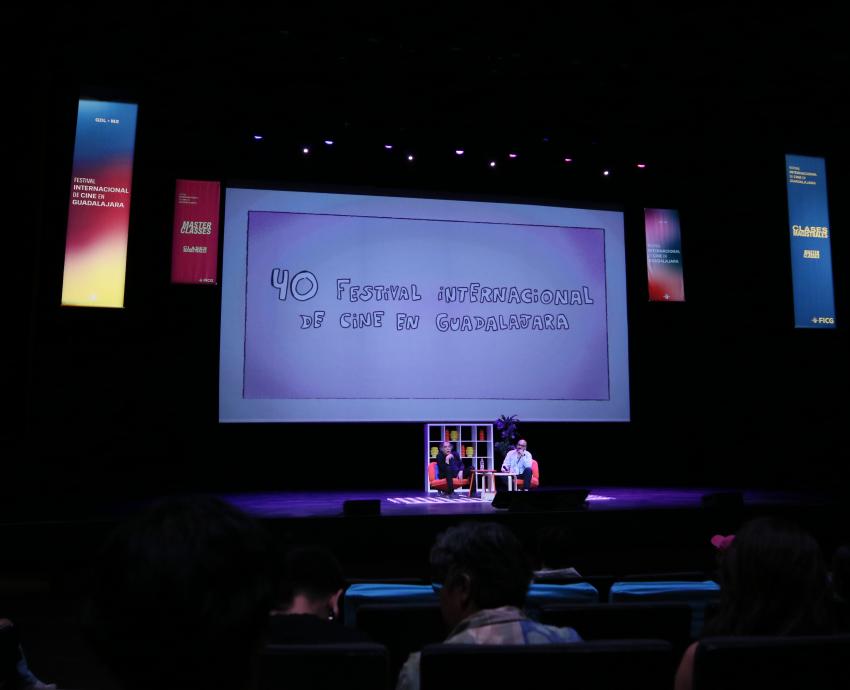
The Portuguese actor and producer reflected with the audience on the importance of free and independent cinema
Under the premise of reflecting and share your vision on the challenges and creative decisions, the development of projects and the importance of generating meaningful connections with the public, the Portuguese actor and independent producer Paulo Branco (Vanishing Point, 1984) (Mysteries of Lisbon, 2010), led the master class “The Freedom to Make Films”, moderated by journalist Gonzalo Lira Galván, within the framework of International Film Festival in Guadalajara (FICG).
The producer emphasized how much of his art was born because he He left Portugal because of fascism and the limited freedom that existed throughout the country during the dictatorship, which is why he chose to take refuge in France after finishing his studies in chemical engineering.
“It was difficult to live in a country ruled by a dictatorship. I finished university and went to England, and later to live in France. I never imagined I would make films, but when I entered that world, I quickly understood that making films in Portugal at that time would have been impossible. I knew nothing about film, but I was very curious about the world. I confess that I am still learning how to work in film,” she said.
For Branco, the job of a producer is to make a reality what the director I work with is looking for, leading him to discover that each project has its own challenges and problems: “Each project is a new prototype, different from the other, you have to have faith in the directors, A director’s job is to be a chameleon. and to solve the challenges that arise in order to make what the directors want a reality.”
Amid anecdotes and laughter, Paulo Branco recalled how he came to work with international directors on various projects, all “a series of coincidences.”
“The projects I’ve worked on have been a series of serendipitous encounters. It would start with someone I met while filming, who would approach me with their story. These chance meetings with directors led to projects, and those projects, in turn, led to even more. The films I’ve been involved in have created a connection for me and have been great adventures.” Freedom is important within cinema, “I like to make my decisions without asking for permission,” the producer commented.
However, it is clear that not all projects can be carried out, so Paulo Branco explained when it is important for a producer to say “no”: “I have said no to great directors. One has to say no when one feels that one cannot contribute anything to the director or the film.If the producer cannot contribute something valuable to the film, it is best to say ‘no’, since no film should be left unfinished or half-done. In my 300 films, some more successful than others, none have been left unresolved.”
Paulo Branco emphasized the true importance of cinema and why it’s crucial to continue producing films with freedom and passion: “Films endure beyond time. All the films I’ve worked on owe a debt to their directors; they don’t let us forget them or their wonderful stories. It’s important that they remain alive through films and that these films continue to be made over time, because cinema doesn’t expire; it always endures.”
Attentively
“Piensa y Trabaja”
“1925-2025. A Century of Thinking and Working”
Guadalajara, Jalisco, June 13, 2025
Text: Anashely Fernanda Elizondo Corres
Photography: Iván Lara González
Paulo White
Gonzalo Lira Galván
Guadalajara International Film Festival
- 167 views
