


Posted on August 26, 2026 by gkramer
This week in North Philly Notes,Terri Ginsberg, coeditor of <a href="https://nam10.safelinks.protection.outlook.com/?url=https%3A%2F%2Ftupress.temple.edu%2Fbooks%2Fgoverning-genealogies-of-international–film-education&data=05%7C02%7Cgary.kramer%40temple.edu%7Ce9e5cdc4f9e641ba38ab08df023352e8%7C716e81efb52244738e3110bd02ccf6e5%7C0%7C0%7C639232091605033328%7CUnknown%7CTWFpbGZsb3d8eyJFbXB0eU1hcGkiOnRydWUsIlYiOiIwLjAuMDAwMCIsIlAiOiJXaW4zMiIsIkFOIjoiTWFpbCIsIldUIjoyfQ%3D%3D%7C0%7C%7C%7C&sdata=E3sACCB9SCPRDl4tjmIQ5QA%2FzMc6O48t0eX9Ghx1vz4%3D&reserved=0″ rel=”nofollow noopener” target=”_blank”>Governing Genealogies of International Film Education, writes about the significance of media archival studies.
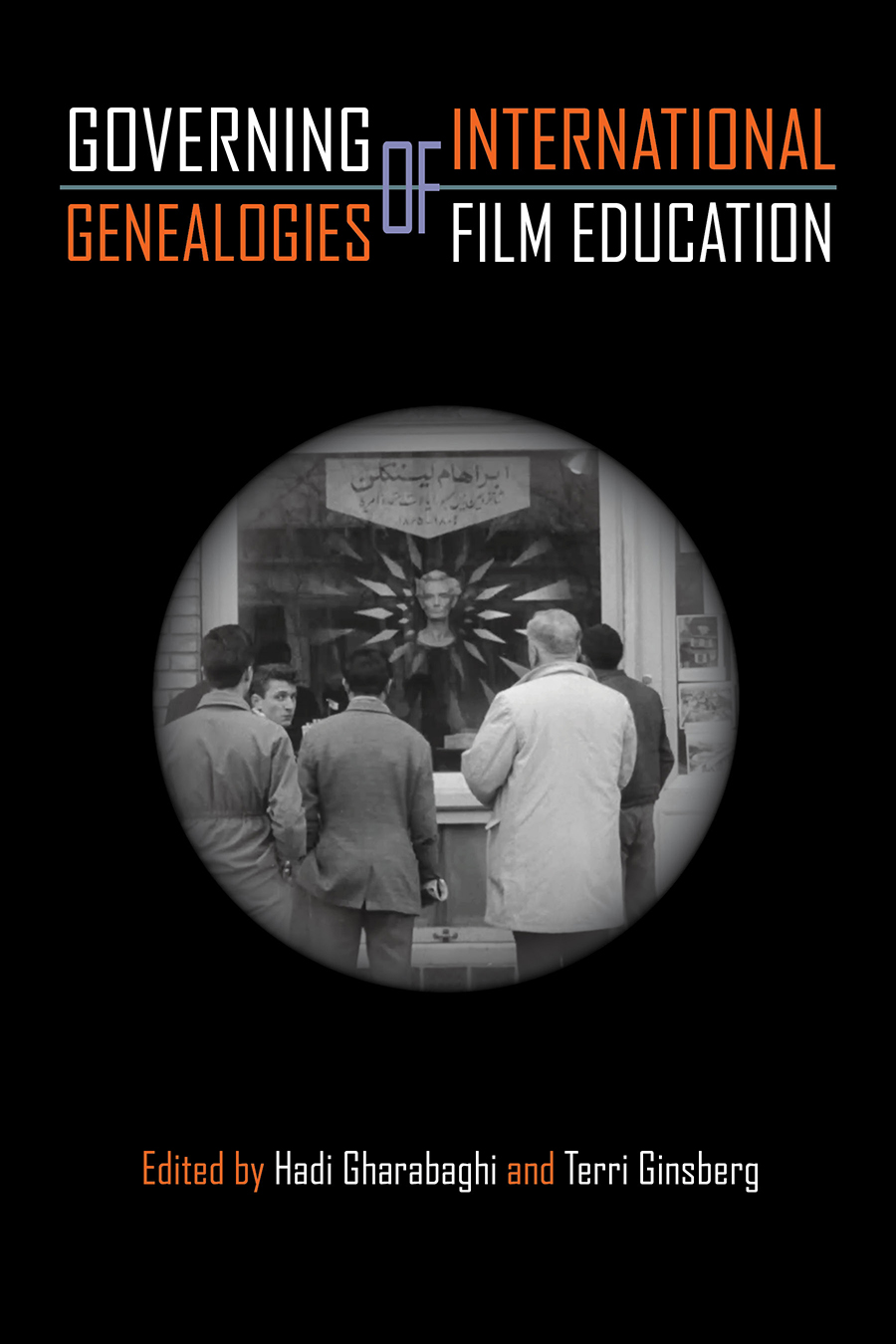
Governing Genealogies of International Film Education, which I coedited with Hadi Gharabaghi, was conceived based on our respective, sometimes differing but nonetheless intersecting concerns about the intellectual limits of 21st-century film and media scholarship understood as educational knowledge production.
After the gradual turn away from theory based in continental philosophy to historicism based in data-driven empiricism, a sharp division came to mark the field, the politics of which we wanted to locate and problematize. The result is an edited collection that exposes and potentially resituates the structural coordinates of that division, so that its meaning and significance are available to more sustained scrutiny and critical analysis, and whereupon the prevailing archival research practices that frame it methodologically can be reenvisaged as sites of contestation over their governing conditions of intelligibility (not just their existence and status as facts).
Since each of us moves in globally oriented networks, we expected the volume to be international in scope. Although it was not planned, our respective scholarly interests in varied cinemas of the so-called “Middle East” – Iranian for Hadi, Palestinian for me – led to the collection becoming populated with chapters focusing primarily on cinema and media of and regarding Southwest Asia and North Africa. That said, we conceived of the volume less as an ethnographic study of those regions or their cultural phenomenologies than as a layered critique of the ways in which these have come to stand as objects and occasions of knowledge production within academic and educational settings and institutions, a significant range of which are found heavily governmentalized and/or ideologically overdetermined by Western colonial-imperialism, related forms of transnationalism, and an abiding and overarching racism.
When the idea for this volume first arose, the new wave of archival media education studies was a relatively recent emergence. By the time we contracted the project with Temple University Press, the tide had risen significantly – in all the areas covered within the volume. I am excited about the volume’s publication because it both joins and, I hope, advances this new wave in needed directions. I am looking forward to its reception and the conversations and debates it might foster.
Filed under: american studies, art, cultural studies, Education, History, Mass Media and Communications, philosophy, political science, race and ethnicity, sociology, transnational politics | Tagged: books, Cinema, cultural studies, Education, empiricism, film, globalization, government, historicism, history, intellect, knowledge production, media, middle east, North Africa, philosophy, politics, racism, scholarship, Southwest Asia, transnationalism |
