


‘I’ve learned to be okay with being difficult’: Sandulela Asanda on making Black Burns Fast
The 31-year-old filmmaker talks sexism, female solidarity and making the kind of films she needed to see growing up.
For Sandulela Asanda, becoming a filmmaker was never part of the original plan.
She studied economics and law, while continuing to write, act and perform in theatre. Film was always somewhere in the background, but she says she simply didn’t see filmmaking as an option for herself growing up.
That changed after she watched Daughters of the Dust, Julie Dash’s acclaimed 1991 film.
She recalls the moment she realised she wanted to tell stories through film: “I really want to be able to do that for both myself and for others.”
That was around 2016/2017. Almost a decade later, Asanda is celebrating the release of her first feature film, Black Burns Fast, while navigating an industry where women are still fighting to be heard, taken seriously and given opportunities.
Learning to take up space
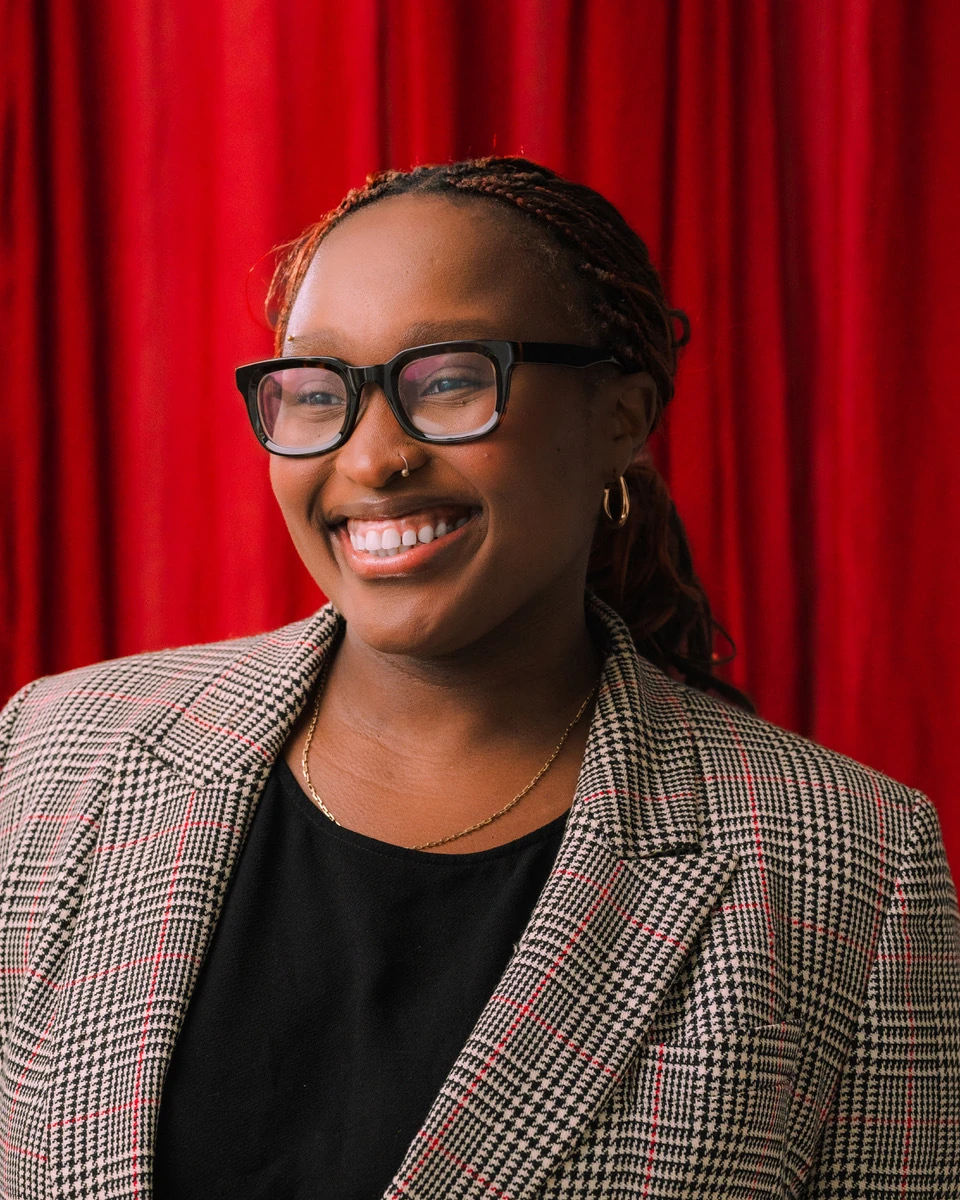
Asanda says being a woman in the film industry has taught her to fight for the work she believes in, rather than relying on her personality or profile to sell it.
“My selling point might not necessarily be who I am, but the work that I do can sell much better than me,” she says.
She has also had to navigate the sexism that comes with being a woman directing in predominantly male spaces, including the subtle ways women can be labelled difficult for speaking up.
Her response has been to stop worrying so much about being perceived as difficult.
“I’ve actually learned how to just be okay with being difficult,” she says.
“For me, it’s rather focusing on the spaces that are for me and also building the spaces for myself.”
That attitude has become an important part of how she approaches her career, particularly when it comes to the people she chooses to work with.
The women behind the work
Asanda credits producer Cait Pansegrouw as one of the women who has helped shape her professional journey.
She has also intentionally surrounded herself with women who share her ethos, including actress Faniswa Yisa and commercial producer Simoné Bobo , as well as fellow South African female directors she admires.
For Asanda, creating a healthy working environment is just as important as the work itself.
“We don’t believe in shouting. We believe in making sure that we know everyone’s names on set,” she says.
It is an approach rooted in respect, but also in the belief that women supporting and championing one another is essential in an industry where they can still find themselves fighting for space.
Making the film she needed
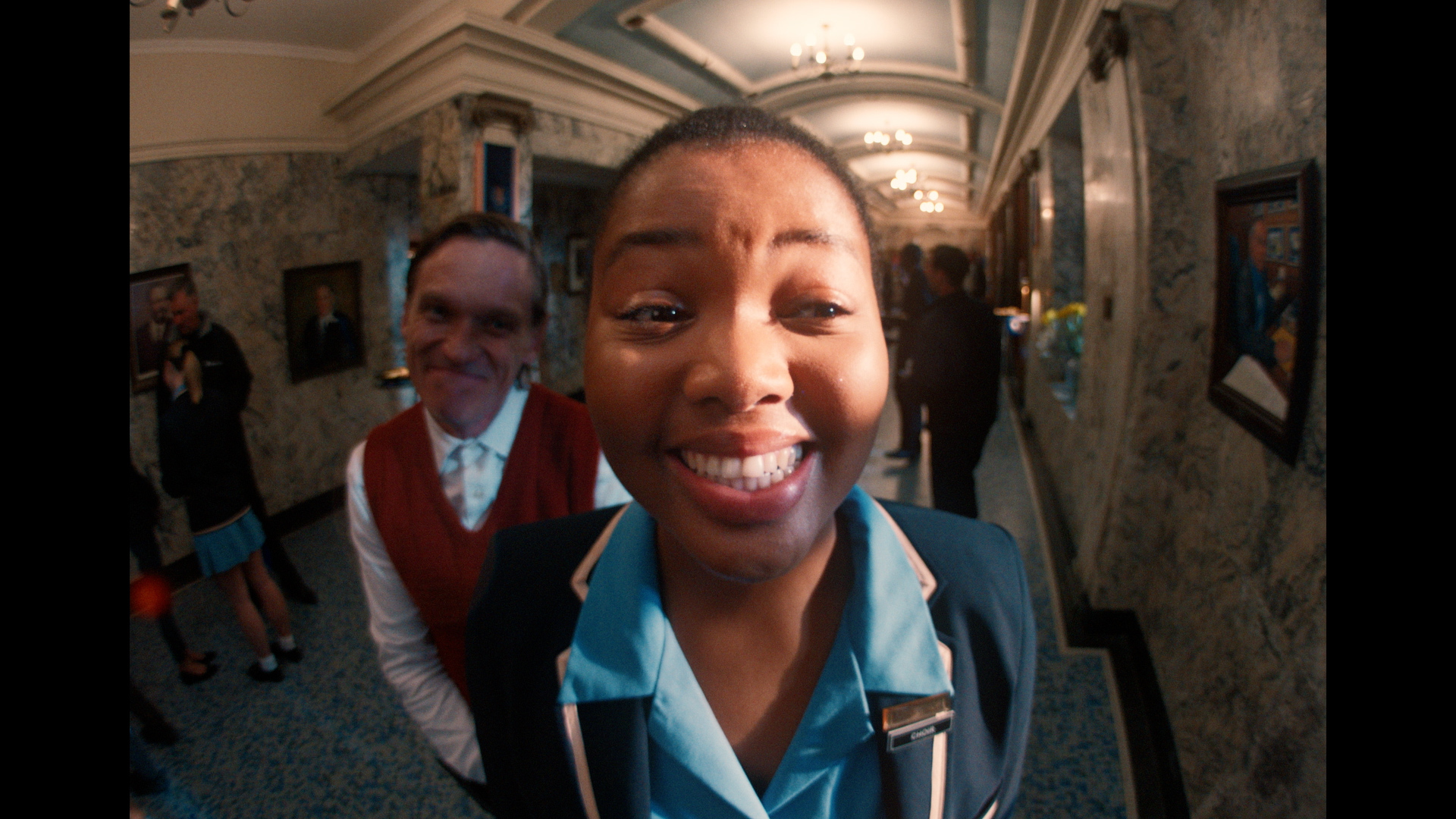
Black Burns Fastbegan taking shape during the COVID-19 pandemic, when Asanda was thinking about the experiences of Black students in former Model C schools and private institutions.
She was also thinking about her younger self.
What if she had understood her sexuality earlier? What if she had grown up seeing people like herself represented on screen? And what if those stories weren’t always centred around trauma?
“I said, you know what, let me do this myself,” she says.
Her biggest motivation was to make the kind of film that her 14-year-old self needed.
“But also specifically of joy,” she adds.
Rather than making another story where queer characters are defined primarily by pain, Asanda wantedBlack Burns Fastto explore self-discovery, identity and the possibility of happiness.
Six years to the big screen
Getting the film made was another battle.
The feature took six years to complete, with funding proving one of the biggest hurdles.
Asanda says some local funders questioned whether the film was relevant or whether there was an audience for it.
Instead of giving up, she made a short film as a proof of concept.
Shot in her apartment in just two days, the short helped demonstrate the world she wanted to create and her ability to tell the story.
It went on to gain acceptance at major international festivals, including the Toronto International Film Festival and the Berlin International Film Festival.
The attention helped unlock further opportunities, including a France TV purchase and a pre-sale agreement with Amazon, which helped finance the completion of the feature.
Black Burns Fasteventually premiered at this year’s Durban International Film Festival before travelling internationally, including to Berlin, where Asanda received nominations for theCrystal Bear and Teddy Awards.
The film continues its festival journey while also having its South African theatrical run before its planned move to Amazon.
Taking risks with new talent
Asanda was equally intentional about casting.
Rather than choosing actors based primarily on their profile or following, she put the story first.
“I auditioned everyone,” she says, explaining that she watched self-tapes herself and was involved throughout the casting process.
Several of the actors were appearing in their first major film projects.
For Asanda, that was part of the point.
“The story comes first,” she says.
She believes the South African industry has become too risk-averse, with filmmakers increasingly encouraged to rely on familiar faces, influencers and numbers rather than taking chances on new talent and strong stories.
“We need to start taking risks again,” she says.
A film about being seen
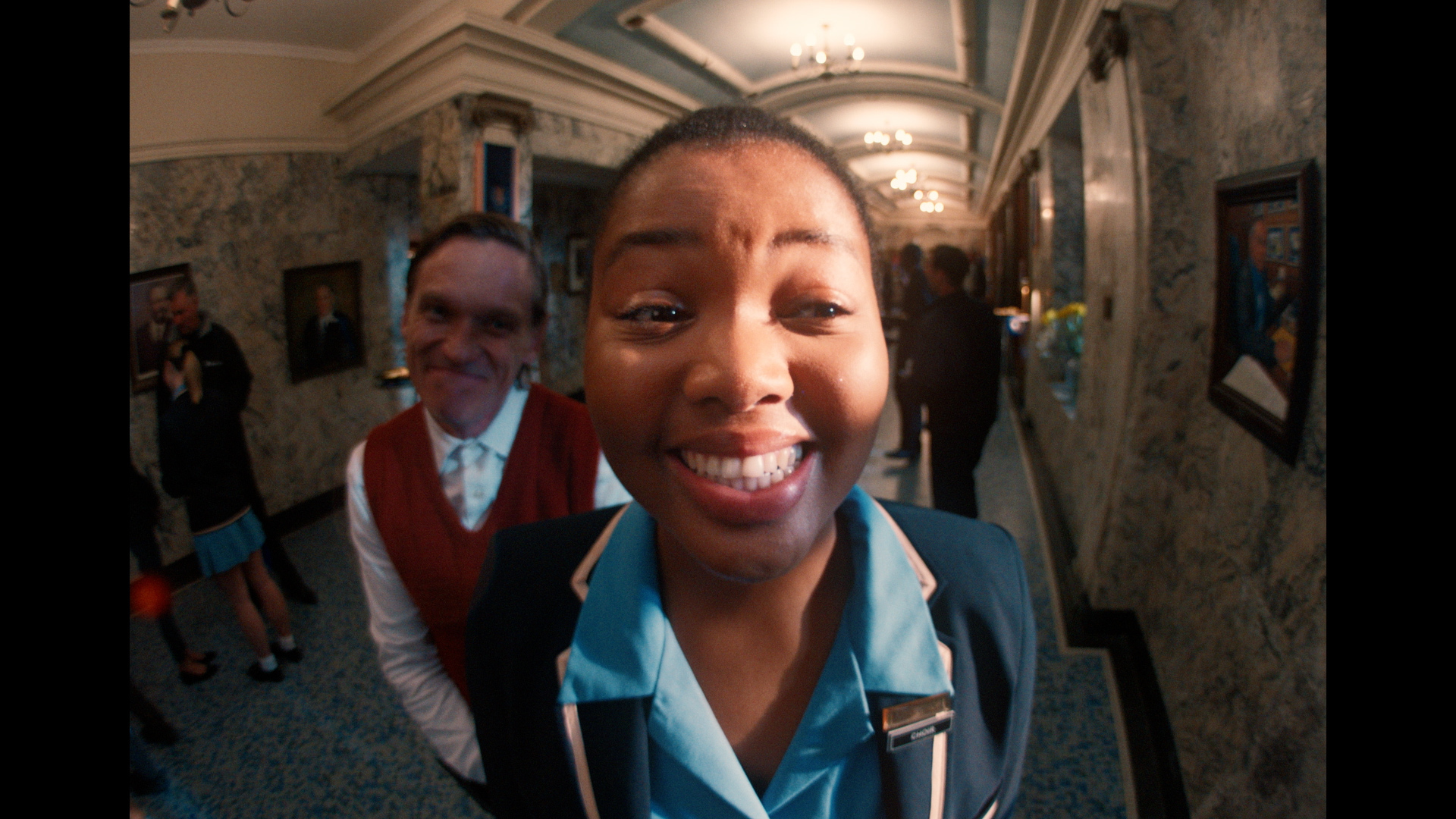
For Asanda, the ultimate measure of the film is not simply how many people watch it, but what audiences see in themselves when they do.
She hopes young queer women watching it feel represented and are able to imagine more for themselves.
“I hope that the people that we’re specifically speaking to, so like young queer girls, that they feel seen and represented and they can imagine more for themselves and joy,” she says.
But she also wants audiences outside that community to leave with something.
For South African audiences generally, she hopes the film encourages people to be more open, give others grace and allow themselves room to grow.
The filmmaker knows the film may challenge some viewers, particularly because of its exploration of queerness and sexuality.
But she isn’t interested in making the story more comfortable at the expense of its honesty.
“This is mine. And I’m going to stand by it.”
When she’s not making films…
And what does a perfect day in Durban look like for Asanda?
A morning walk along the promenade, a spicy pineapple, lunch featuring a good bunny chow or curry, a movie at Pavilion and dinner in uMhlanga.
Florida Road might make an appearance too, although she jokes she may be getting a little old for the nightlife.
Durban also has a special place in her heart. It’s where her parents met while studying at the University of Natal, and she remembers visiting the city with her family when she was younger.
For a filmmaker who describes storytelling as her way of connecting with the world, perhaps it makes sense that one of her most meaningful places is a city already woven into her family story.
What you need to know
Film:Black Burns Fast
Director:Sandulela Asanda
South African theatrical release: August 2026 – Currently in cinemas
Streaming:Amazon following the theatrical window
Black Burns Fastis a coming-of-age story exploring identity, queerness, self-discovery and joy through the experience of a young Black girl.
Follow Time Out Durban on Instagram, Facebook and TikTok! To get the coolest news, features, and things to do straight to your inbox, sign up for our newsletter.
📍 The best things to do in Durban
🍽 The best restaurants in Durban
🏨 The best hotels in Durban
🛏️ Where to stay in Durban
📢 Latest news from Durban
Discover Time Out original video
