


I Play Rocky is as much a screenwriter’s story as it is an actor’s story. The movie is based on the true story of Sylvester Stallone, who famously refused to take a lot of money for his original screenplay Rocky unless he played the lead character. While writers can take many screenwriting lessons from the story of I Play Rocky, the best takeaways may be what screenwriters can learn about themselves, their process, and the dream of seeing their script become a feature film.
Stallone Wrote Multiple Screenplays
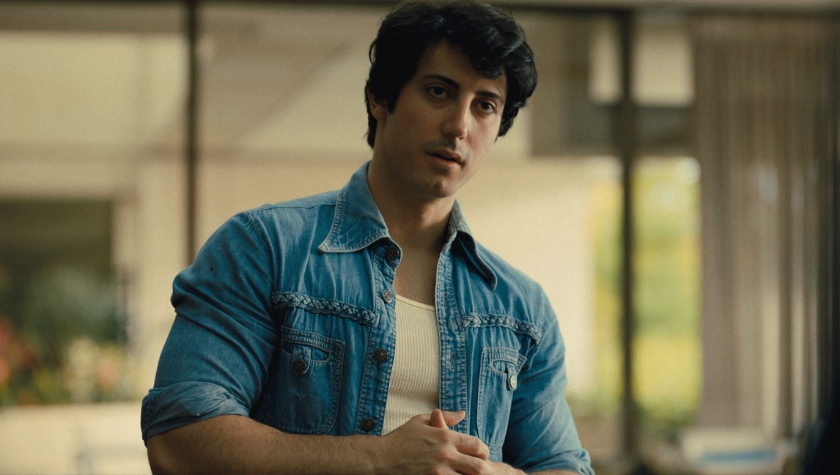
Stallone (Anthony Ippolito) wanted to be an actor first. The film opens with him auditioning for “Thug #2” on a stage in the dark, where he hears light laughter in the background, likely because of his lisp. From there, it seems every audition he goes to ends in failure, except for being cast in a softcore pornographic film. When he meets his future wife, Sasha (AnnaSophia Robb), while working as a ticket taker, she suggests he write screenplays he can star in. This sparks his interest in writing, and he spends the next six months scribbling out scripts on legal pads, which Sasha types out. According to the card in the movie, he wrote 8 screenplays in total before writing Rocky.
Ask most professional screenwriters, and they’ll likely share that they never sold their first screenplay. Writers write. And the more screenplays and stories you write, the more likely you’ll improve with each one.
A Story Can Come from Anywhere
In 1975, a down-on-his-luck Stallone decides to grab a drink at a bar and wallow in his misery. At the same time, a boxing match on TV pits Heavyweight Champion Muhammad Ali against a highly ranked but definite underdog, Chuck Wepner. The odds of Ali beating Wepner were 10:1.
Few thought Wepner had even the remotest chance of winning; even the bartender bets Stallone Wepner won’t make it past the third round. But Wepner nearly went the distance. The underdog held his ground for 15 rounds, proving he belonged in the ring with the likes of Ali.
In I Play Rocky, Stallone has an epiphany at the end of the bout. He rushes out of the bar and starts his three-day nonstop screenwriting binge, writing the first draft of what would be an Academy Award-winning film.
One of a writer’s greatest assets is being open to ideas for stories, characters, scenes, or dialogue from just about anywhere. Sometimes it’s an overheard conversation, a news story, a boxing match, or a single sentence in a non-fiction book (for me, this was the spark of a screenplay idea that eventually ended up in the Top 3 in the Final Draft Big Break Screenwriting Contest before I started writing screenwriting content for them).
Consider the Vomit Draft
Stallone wrote the first draft of Rocky in three days. But don’t think that this vomit draft was the final shooting script.
“This will sound pretentious, but it took three days of which 90% was terrible but the germ of the idea was there. Then it took about 25 rewrites,”Stallone said in an interview with Howard Stern.
Writing the vomit draft is a practice many highly creative filmmakers use to get that first draft done, knowing it’s easier to rewrite a screenplay than to stare at a blank page. John Hughes wrote the first drafts of Sixteen Candles and Ferris Bueller’s Day Off in a matter of days. And Zach Cregger’s “Elf it out” theory follows a similar method.
Expect Notes
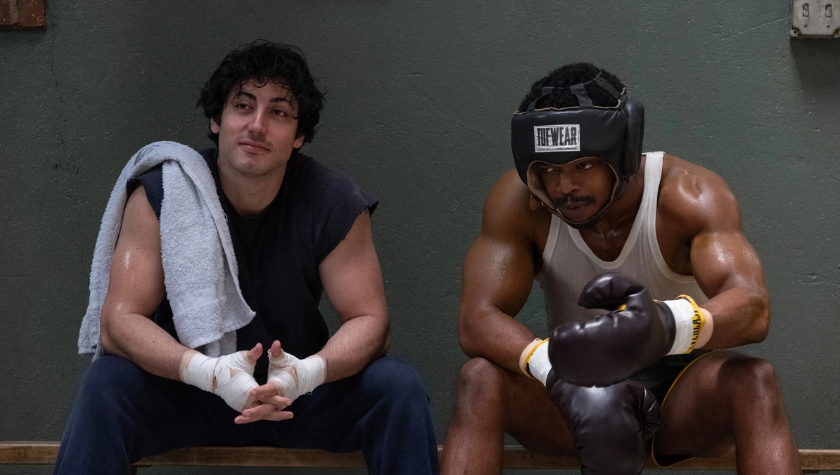
In I Play Rocky, after Stallone delivers his first draft of Rocky to the producers, they soon start suggesting changes. Stallone is a bit taken aback until Winkler and Chartoff say it’s time to get notes.
Screenwriters will receive notes. It’s important to consider them and make changes — and if you disagree, acknowledge that you understand the note and prepare to defend your position. These notes can come from anyone associated with the production, including the producers, director, actors, and production heads.
Even before sending out your screenplay, you should consider asking trusted friends who understand screenwriting for their opinions or purchase feedback from reputable companies (Final Draft offers feedback when entering the annual Big Break Screenwriting Contest).
Don’t Quit Your Day Job, Yet
I Play Rocky writer Peter Gamble had a day job, and it wasn’t as a screenwriter.
“I was teaching at USC, and I was trying to keep everything afloat. I had a hard time getting my career going,”Gamble said in a Philadelphia Magazine interview. “I was talking to my manager about ‘How do you get seen when you feel unseen?’ And he said biopics and the Black List are one way of getting seen. And then, God bless him, he said the name ‘Sylvester Stallone.’”
According to Lee Jessup, a career coach for screenwriters: “Over 80% of the writers whose breaking-in journeys I’ve been allowed to observe were in their 30s and 40s when they broke in.”
This likely means most were working non-screenwriting jobs for part of their professional lives. Screenwriting can sometimes be a long process, and there’s nothing wrong with having a day job to help maintain you financially as you pursue your dream.
Along with Gamble, here are some writers who worked day jobs until they made it (and even after they did).
- John Grisham was a practicing criminal lawyer and served in the Mississippi House of Representatives before becoming a best-selling author.
- Kevin Willmott won an Academy Award for co-writing BlacKkKlansman, then two days later was back at his teaching job at the University of Kansas.
- Quentin Tarantino worked at a video store before he could get his career off the ground.
“I was finally able to take a step away from teaching and stuff, and I can just be a full-time writer, and it’s the most beautiful thing in the world,” Gamble told Philadelphia Magazine. “I’m grateful that I’m in a place where I know for at least a period of time I can take care of my family. That’s something I’m really grateful for.”
Next time you’re thinking of what to write, think about the famous people you know who inspire you. Who knows? Maybe they are due a biopic too.
