


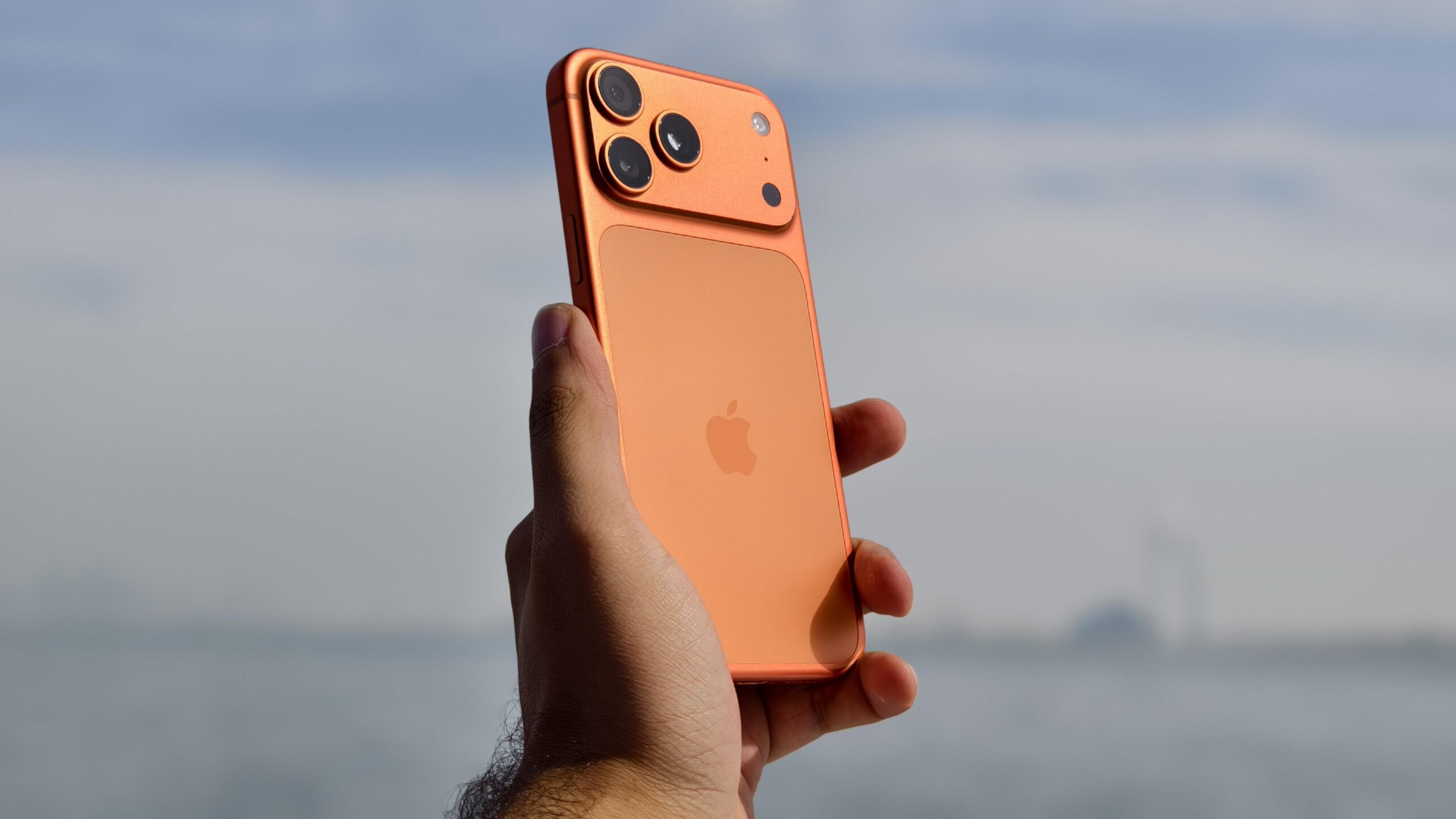
One of the biggest camera rumors for the iPhone 18 Pro announcement at Apple’s fall event on Sept. 9 is the addition of a variable-aperture lens on the main camera. But just what is a variable aperture, and why do photographers rhapsodize about it?
We’re already expecting price increases for the iPhone 18 Pro models (and a costly leap to the rumored foldable iPhone 18 Ultra), so can improvements to the cameras help justify the expected jump? Let’s dig into the possibility of a variable aperture and a couple of other rumored improvements.
Win a New Apple Watch in CNET’s Big Guessing Game: Apple Edition
Introducing a camera with a variable aperture
When determining which settings to use on a traditional camera, photographers refer to the “exposure triangle”: shutter speed, or how fast an image is recorded; ISO, or the sensor’s amount of light sensitivity; and aperture, the amount a physical mechanism opens to let in light.
On the iPhone, and most smartphones, shutter speed and ISO are determined automatically, unless you’re using an app that gives you manual controls.
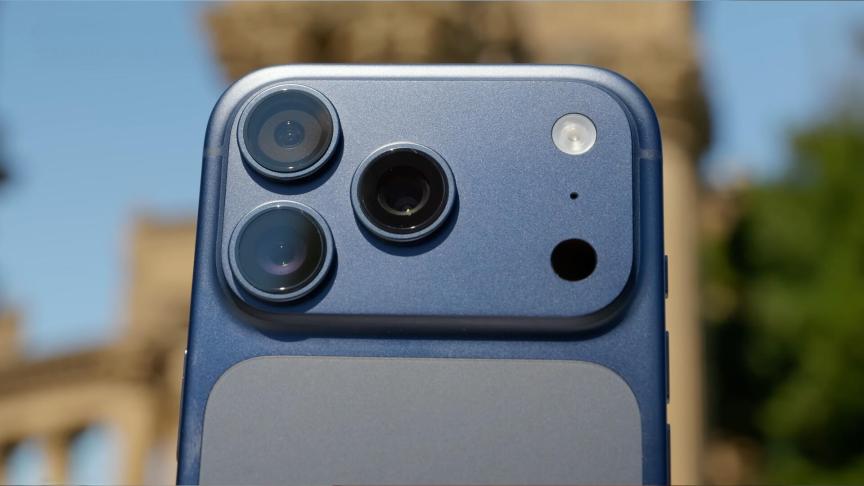
Aperture, however, gets cut out of that equation on smartphone cameras because they feature fixed apertures – there isn’t a physical mechanism that opens and closes. For instance, every image captured with the iPhone 17 Pro’s main camera is shot at f/1.78. When you take a picture, the sensor starts and stops recording the light hitting it.
Offering more than a single aperture isn’t new in the smartphone world. The Samsung Galaxy S9 in 2018 and Galaxy S10 in 2019 had dual-aperture lenses that switched between wide open (the entire lens) and a narrow opening (about half the diameter). The Xiaomi 14 Ultra in 2024 also had a variable-aperture lens that ranged from f/1.6 to f/4. Both companies ended up abandoning the feature in successive models.
What can a variable aperture lens add to your iPhone photography?
Typically, photographers will shell out more money for their standalone cameras to buy lenses that have wider or faster apertures. For example, a 50mm f/1.8 lens is a standard “kit lens” that will do well in low light and is relatively affordable (often under $250). Moving up to a 50mm f/1.4 lens, which lets in two-thirds more light, is usually a significant jump in size, weight and cost (between $500 and $1,500 or more). But it collects more light in dark scenes, and gives a softer bokeh background when shot wide open at f/1.4.

A smartphone camera is already at its widest aperture, so what’s the advantage of being able to capture images through a narrower opening that lets in less light?
It all comes down to giving the photographer more control.
In bright, well-lit scenes, shooting at a smaller aperture can lead to sharper images with a longer depth of field – objects in the distance remain in focus, great for keeping the Eiffel Tower looking crisp when your subject is standing close to the camera.
In dark situations, having the aperture wide open lets in more light. But at night, a smaller aperture can create striking starburst effects around bright lightra in 2024, CNET Editor at Large Andrew Lanxon named that as one of his favorite features
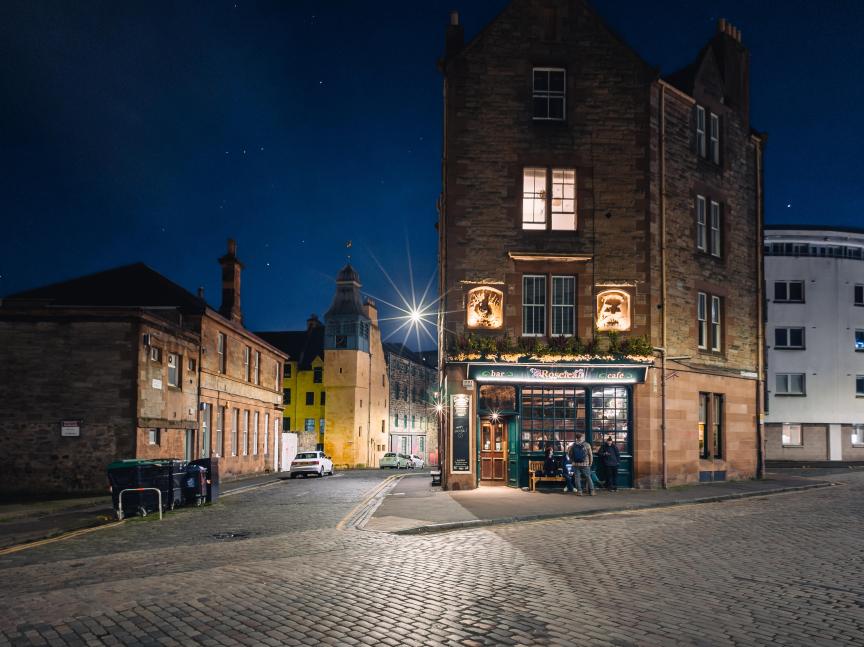
“By closing down the aperture, I was able to create authentic starburst effects around points of light like streetlights in exactly the same way that you would by using a narrow aperture with a mirrorless camera and lens on a tripod,” wrote Lanxon recently when speculating about Android features Apple should adopt in its iPhone 18 line. “I loved the images I captured with the phone, as they looked so much more professional than the weird amorphous blobs seen around light sources in night photos from other phones.”
A variable aperture might also have more benefits when shooting video. To control exposure, the iPhone automatically adjusts ISO. Going back to the exposure triangle, shutter speed doesn’t apply here because that’s a fixed value set by the frame rate. If the iPhone can adjust the size of the aperture, it gives video shooters a second way to adjust exposure.
It also gives them more control over depth of field, keeping more items in focus at a smaller aperture value and isolating the subject against a softer background with the aperture wide open.
What we don’t know yet is just how variable the aperture may be. Although the Galaxy S9 had a dual-aperture lens, its function was limited.
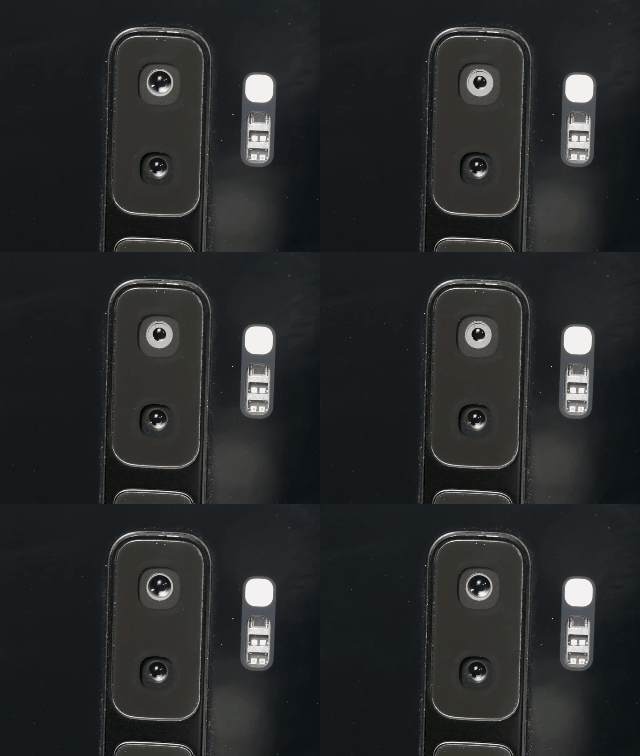
“The Galaxy S9 was wild. It had a mechanical aperture that you could see,” said Patrick Holland, director of content at CNET. “While the idea was impressive for 2018, it could only switch between two apertures: f/2.4 to capture sharper images, and switch to a wider f/1.5 for darker conditions to improve exposure.”
If Apple’s implementation has more range between its widest and narrowest apertures, there’s still the question of how it will be controlled – if at all. The iPhone camera system is designed to handle as much of the process automatically as possible.
I wouldn’t be surprised if, to avoid overloading most people with too many photographic options (and interface items) in the Camera app, the default mode would automatically choose an f-stop (how wide the aperture opening is). Perhaps third-party developers could add manual control.
Splitting the Pro models again
What I’m not excited about is a rumor that the variable aperture could only come to the iPhone 18 Pro Max, not the iPhone 18 Pro, which is the size I prefer.
This could mark a return to the situation where the Max model gets the best photographic features because the larger case has room for them. When the iPhone 15 Pro Max was announced, I gave up the chance to shoot with its exclusive 5x telephoto camera because the larger phone feels too bulky to me in daily use. The same zoom feature showed up the next year on both pro models in the iPhone 16 Pro and is used on the iPhone 17 Pro and Pro Max, albeit at 4x zoom instead of 5x.
Larger apertures on all lenses
Another rumor reported by Macworld says the fixed apertures on the other camera lenses could be increased, letting in more light. Any faster aperture is welcome, because smartphone lenses are already so small, even if it’s a tiny increment.
Would the difference be noticeable? Perhaps only in low-light images; in my experience, the main camera on the iPhone 17 Pro often has enough light-gathering capability that the phone doesn’t need to switch into Night mode.
Larger main sensor
Of any improvements to an iPhone camera, a larger sensor is the one that would make the most difference in your everyday photography because it would capture more light and, therefore, more detail in a scene. The iPhone 17 Pro uses a 1/1.28-inch main sensor – still tiny compared to traditional cameras, but not bad for smartphones. Xiaomi’s Leica Leitzphone, which Lanxon has declared “the best, most exciting camera phone I have ever used,” has a type 1-inch sensor.
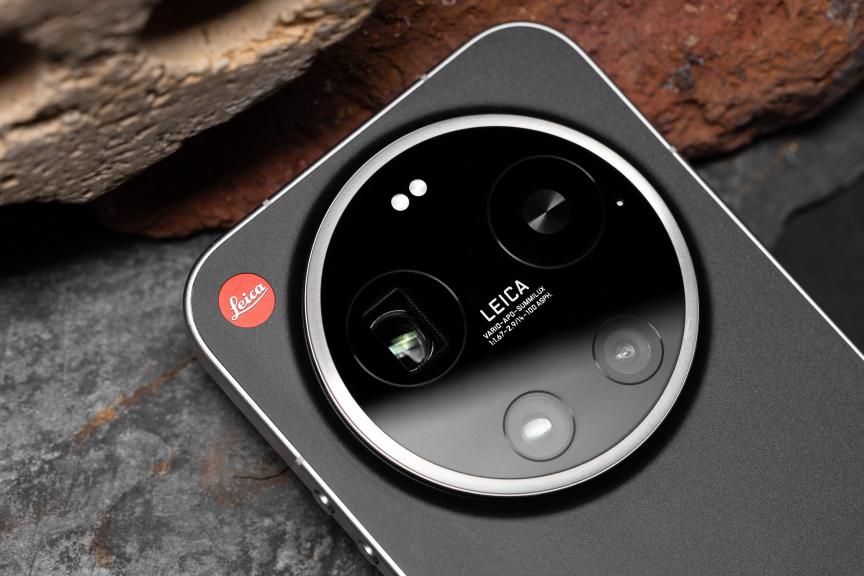
If the iPhone 18 Pro models are indeed larger than the already-chunky (and I say that appreciatively) iPhone 17 Pro models, there could be enough room in the case to accommodate bigger camera components.
The bigger sensor question, which has not been rumored, is whether a Lateral Overflow Integration Capacitor sensor will appear on the next iPhone. It’s a new sensor technology that offers greater dynamic range in a single image and is found in the Leitzphone and Xiaomi 17 Ultra Leica phone, as well as this year’s Motorola Razr Ultra. Sony recently introduced that sensor (the Lytia L910) in June, so it’s possible it won’t be available in Apple-sized quantities for the iPhone 18 Pro line.
